THE ADVENTURE COLLECTIVE® · Independent discovery and booking for outdoor travel

Turn Glasgow into a playable map with a self-guided e-scavenger hunt that sends you between Cathedral, City Chambers and hidden murals. Perfect for small groups who want a flexible 3–5 hour urban adventure.
Turn Glasgow into a playable map with a self-guided e-scavenger hunt that sends you between Cathedral, City Chambers and hidden murals. Perfect for small groups who want a flexible 3–5 hour urban adventure.
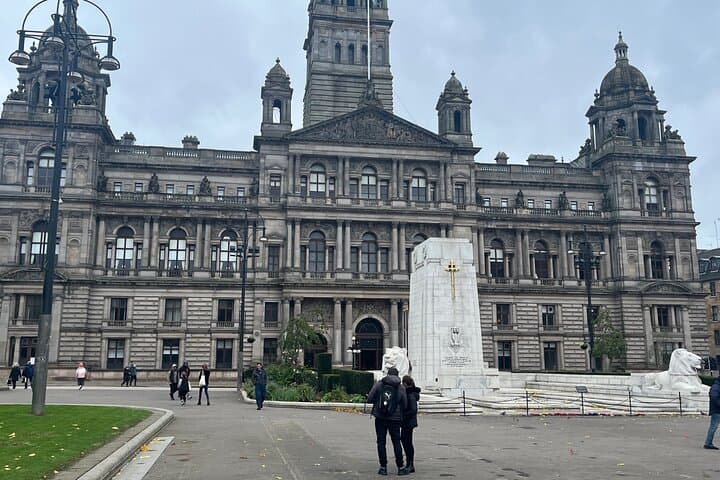
You start beneath the clock faces of George Square, phone in hand, and the city opens like a map of stories. The River Clyde nudges the walkways and the Cathedral’s stonework watches as you move from statue to mural, each task drawing you deeper into Glasgow’s pulse.
Verified experiences and guided adventures in the surrounding area.
Operated by Qula · Glasgow, Scotland
You start beneath the clock faces of George Square, phone in hand, and the city opens like a map of stories. The River Clyde nudges the walkways and the Cathedral’s stonework watches as you move from statue to mural, each task drawing you deeper into Glasgow’s pulse.
This self-guided e-scavenger hunt threads through the city’s Victorian center and modern refurbishments. Expect stops at Glasgow Cathedral, the City Chambers, Central Station and the public art that marks Glasgow’s recent cultural renaissance. The route highlights merchant lanes, civic monuments and green lungs like Glasgow Green; it traces the city’s rise from medieval market town to 19th-century industrial powerhouse and contemporary creative hub.
Terrain is entirely urban: paved streets, cobbled alleys, and accessible plazas suitable for strollers and wheelchairs. Cultural cues—local tartan motifs, memorial statues, and murals—serve as clues. The Clyde adds character, sometimes reflective and calm, sometimes bold where redevelopment pushes new architecture along its banks.
Practical guidance: bring a fully charged smartphone and headphones, plan for 3–5 hours with pauses for cafés, and wear comfortable shoes for up to 5 miles of walking. Follow pedestrian crossings and local signage; some clues lead into indoor foyers that may have opening hours. Because it’s self-paced, start early to avoid weekend crowds and rainy spells—Glasgow weather changes fast. This is a low-impact way to see major sights while moving at your own pace and learning local stories as you go.
easy.
3–5 hours.
Light walking fitness; able to be on your feet for several hours and cover up to 5 miles.
You’ll receive instant instructions and a link by email; open the link on your phone to begin whenever you’re ready.
Yes—central sections use paved streets and accessible plazas; a few older alleys may be uneven but overall accessibility is good.
One booking covers up to six people on a single device or multiple devices following the same code; confirm numbers before you start.
The experience is self-paced — pause and resume at any time; bring waterproofs for sudden showers and continue when ready.
Glasgow grew from a medieval cathedral town into a 19th-century shipbuilding and mercantile center; many civic buildings and statues reflect that industrial prosperity.
Walking tours have low carbon impact—respect tramlines, avoid tram tracks at busy times and stick to marked paths; support local businesses to keep city heritage vibrant.
Qula operates guided outdoor trips and adventures with an emphasis on safety, stewardship, and memorable experiences.

You start beneath the clock faces of George Square, phone in hand, and the city opens like a map of stories. The River Clyde nudges the walkways and the Cathedral’s stonework watches as you move from statue to mural, each task drawing you deeper into Glasgow’s pulse.
You start beneath the clock faces of George Square, phone in hand, and the city opens like a map of stories. The River Clyde nudges the walkways and the Cathedral’s stonework watches as you move from statue to mural, each task drawing you deeper into Glasgow’s pulse.
This self-guided e-scavenger hunt threads through the city’s Victorian center and modern refurbishments. Expect stops at Glasgow Cathedral, the City Chambers, Central Station and the public art that marks Glasgow’s recent cultural renaissance. The route highlights merchant lanes, civic monuments and green lungs like Glasgow Green; it traces the city’s rise from medieval market town to 19th-century industrial powerhouse and contemporary creative hub.
Terrain is entirely urban: paved streets, cobbled alleys, and accessible plazas suitable for strollers and wheelchairs. Cultural cues—local tartan motifs, memorial statues, and murals—serve as clues. The Clyde adds character, sometimes reflective and calm, sometimes bold where redevelopment pushes new architecture along its banks.
Practical guidance: bring a fully charged smartphone and headphones, plan for 3–5 hours with pauses for cafés, and wear comfortable shoes for up to 5 miles of walking. Follow pedestrian crossings and local signage; some clues lead into indoor foyers that may have opening hours. Because it’s self-paced, start early to avoid weekend crowds and rainy spells—Glasgow weather changes fast. This is a low-impact way to see major sights while moving at your own pace and learning local stories as you go.