THE ADVENTURE COLLECTIVE® · Independent discovery and booking for outdoor travel

Get an insiders’ walk through Glasgow’s civic heart in a social small-group setting. This two-hour guided tour combines bold history, local perspective, and practical tips ending at Glasgow Cathedral.
Get an insiders’ walk through Glasgow’s civic heart in a social small-group setting. This two-hour guided tour combines bold history, local perspective, and practical tips ending at Glasgow Cathedral.
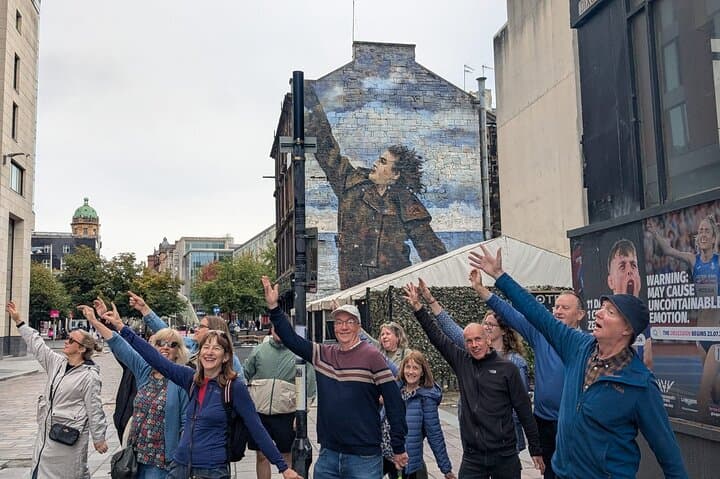
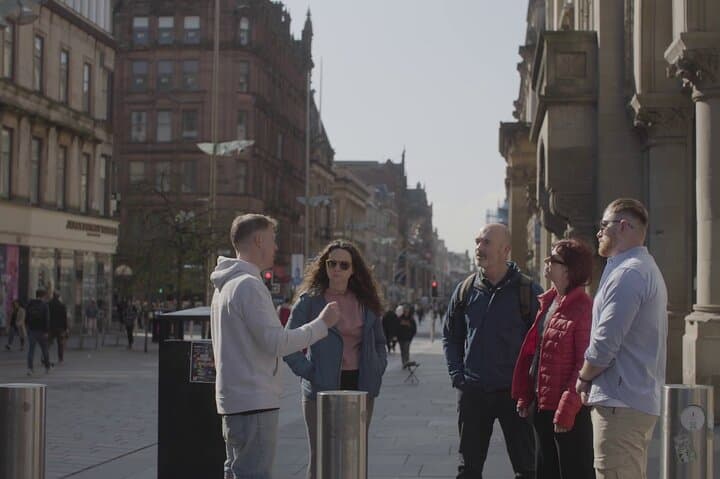
A brisk Scottish morning opens on cobbled streets and broad Victorian avenues as the guide gathers the small group beneath an emblematic Gallus Pedals hoodie. Walkers feel the city’s pulse here: commerce, theatre, university life and the River Clyde all close enough to hear, if not quite see.
Verified experiences and guided adventures in the surrounding area.
Operated by Gallus Pedals · Glasgow, Scotland
A brisk Scottish morning opens on cobbled streets and broad Victorian avenues as the guide gathers the small group beneath an emblematic Gallus Pedals hoodie. Walkers feel the city’s pulse here: commerce, theatre, university life and the River Clyde all close enough to hear, if not quite see.
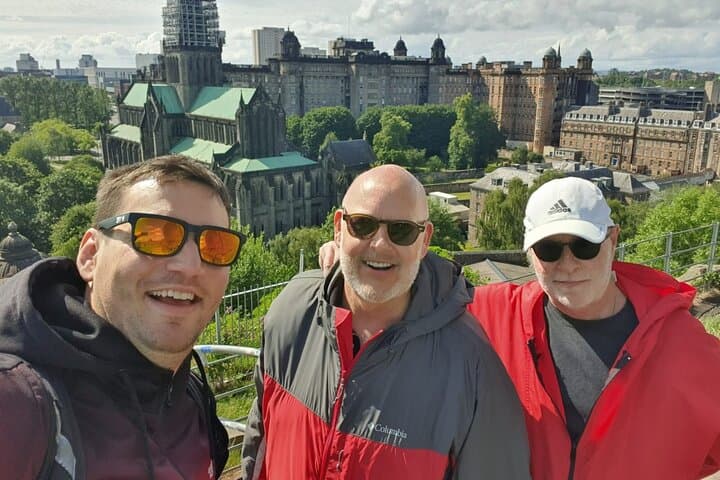
Glasgow evolved from medieval burgh to industrial powerhouse; buildings along the route tell that story in stone and iron. The tour threads through squares once used for political rallies, pauses at schools that championed free education, and ends at Glasgow Cathedral — a medieval landmark that anchors the city’s deeper past. Geology is subtle but present: sandstone façades weathered by Atlantic winds, river-flattened streets where mills once turned.
Culturally the guide balances history with Glaswegian perspective — humor, local pronunciation, and modern-day tips for pubs, museums, and emerging arts quarters. Expect vivid portraiture of the city’s working-class roots as well as notes on contemporary revival.
Practically, this is a two-hour, low-elevation, urban walk with frequent stops for photos and stories. Comfortable shoes and a weatherproof layer make the experience more enjoyable; the route is flat but includes busy pavements. Public transport links and stroller access are available; service animals allowed.
For first-time visitors this tour is a compact orientation: learn where to eat, which museums to visit next, and how Glaswegians think about their city. For repeat visitors it’s a chance to hear the local take on familiar landmarks and to leave with precise, usable recommendations for the rest of the day.
easy.
2–2.5 hours.
Suitable for all fitness levels; participants should be able to walk on flat city pavements for up to 2.5 hours.
The tour runs about 120–130 minutes and finishes at Glasgow Cathedral; you can explore the Cathedral or the nearby museum quarter afterward.
Yes — the route is on paved streets and is stroller-accessible; contact the operator about specific mobility needs in advance.
No — the tour includes exterior commentary and select stops; any attraction admissions (if desired) are the participant’s responsibility.
This small-group tour is delivered in English with groups kept intentionally small for a personal experience; maximum shared group size is typically around 20.
Glasgow grew from a medieval ecclesiastical centre into a 19th-century industrial hub; its prosperity is reflected in civic squares, educational institutions, and ornate Victorian architecture.
Stick to marked paths and respect memorial sites; choosing refillable bottles, local guides, and independent cafés supports sustainable tourism and neighborhood economies.
Gallus Pedals operates guided outdoor trips and adventures with an emphasis on safety, stewardship, and memorable experiences.
A brisk Scottish morning opens on cobbled streets and broad Victorian avenues as the guide gathers the small group beneath an emblematic Gallus Pedals hoodie. Walkers feel the city’s pulse here: commerce, theatre, university life and the River Clyde all close enough to hear, if not quite see.
A brisk Scottish morning opens on cobbled streets and broad Victorian avenues as the guide gathers the small group beneath an emblematic Gallus Pedals hoodie. Walkers feel the city’s pulse here: commerce, theatre, university life and the River Clyde all close enough to hear, if not quite see.
Glasgow evolved from medieval burgh to industrial powerhouse; buildings along the route tell that story in stone and iron. The tour threads through squares once used for political rallies, pauses at schools that championed free education, and ends at Glasgow Cathedral — a medieval landmark that anchors the city’s deeper past. Geology is subtle but present: sandstone façades weathered by Atlantic winds, river-flattened streets where mills once turned.
Culturally the guide balances history with Glaswegian perspective — humor, local pronunciation, and modern-day tips for pubs, museums, and emerging arts quarters. Expect vivid portraiture of the city’s working-class roots as well as notes on contemporary revival.
Practically, this is a two-hour, low-elevation, urban walk with frequent stops for photos and stories. Comfortable shoes and a weatherproof layer make the experience more enjoyable; the route is flat but includes busy pavements. Public transport links and stroller access are available; service animals allowed.
For first-time visitors this tour is a compact orientation: learn where to eat, which museums to visit next, and how Glaswegians think about their city. For repeat visitors it’s a chance to hear the local take on familiar landmarks and to leave with precise, usable recommendations for the rest of the day.