THE ADVENTURE COLLECTIVE® · Independent discovery and booking for outdoor travel

Stand on the ash-streaked ice of Sólheimajökull with a certified guide and learn how glaciers move, melt, and shape southern Iceland. This three-hour shared hike outfits you with crampons and an ice axe for close-up views of crevasses and seracs.
Stand on the ash-streaked ice of Sólheimajökull with a certified guide and learn how glaciers move, melt, and shape southern Iceland. This three-hour shared hike outfits you with crampons and an ice axe for close-up views of crevasses and seracs.
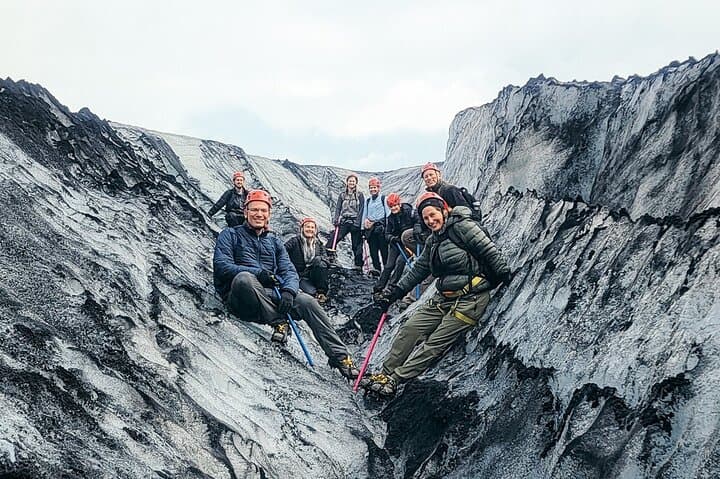
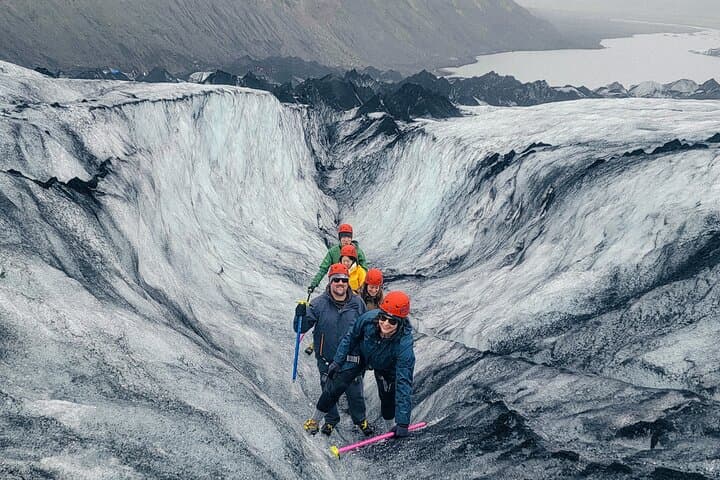
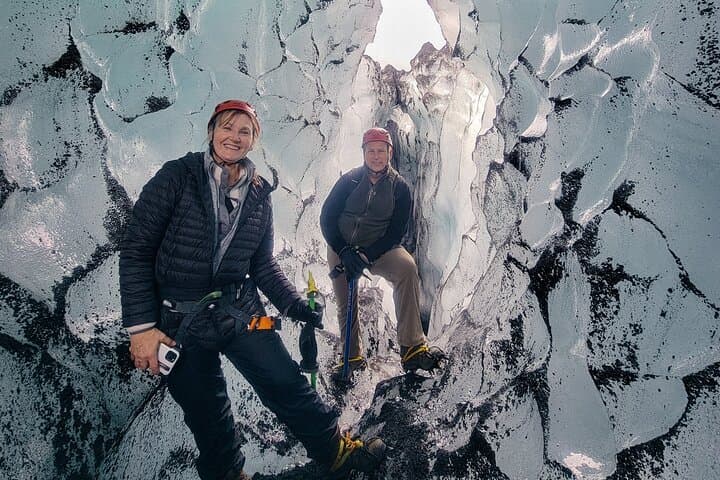
A cold wind pushes across the glacier tongue as the guide clips on crampons and calls the group together at the parking lot. Blue ice slopes rise and fall like folded metal, streaked with volcanic ash that gives Sólheimajökull its charcoal tones. The air smells faintly of sulfur and snow; the glacier answers with a distant, settling groan.
Verified experiences and guided adventures in the surrounding area.
Operated by David The Guide · Vík, Southern Region
A cold wind pushes across the glacier tongue as the guide clips on crampons and calls the group together at the parking lot. Blue ice slopes rise and fall like folded metal, streaked with volcanic ash that gives Sólheimajökull its charcoal tones. The air smells faintly of sulfur and snow; the glacier answers with a distant, settling groan.
Part of the Mýrdalsjökull ice cap, Sólheimajökull records Iceland’s volcanic and glacial dialogue—ash from nearby eruptions threaded into slow-moving ice. Human history in the area is recent and practical: farms and fishing villages in the lowlands, and a growing tradition of guided glacier travel built around safety and interpretation. The guides here often point out moulins, crevasse edges, and how melt patterns reveal the glacier’s health.
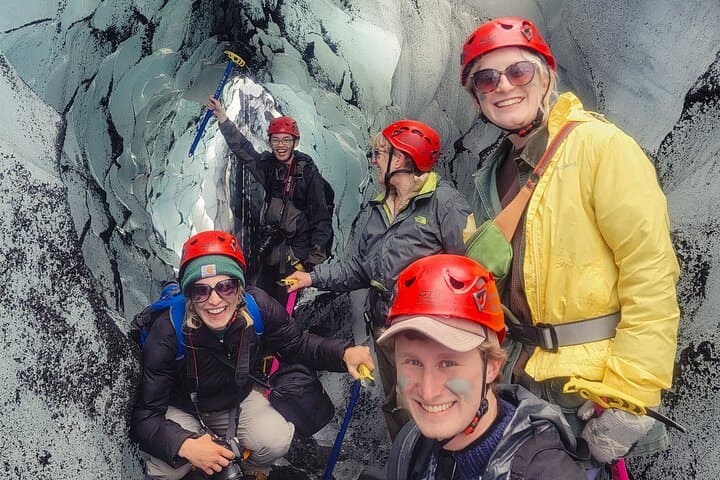
On this shared, guided outing you can expect about three hours on-site: gearing up, a safety briefing, and a guided walk across accessible glacier slopes. Guides supply crampons, helmets, ice axes, and instruction; route selection avoids major crevasses but includes close looks at seracs and melt channels. Terrain is uneven ice with occasional steep steps—distance commonly falls in the 2–4 km range with modest elevation changes.
Practical notes: arrive in sturdy hiking boots, layered waterproof clothing, and gloves; carry water and sun protection. The tour is not recommended for children under 12 or those with serious cardiovascular or spinal conditions. Weather and safety conditions determine go/no-go decisions, and guides will cancel if conditions are unsafe. For travelers seeking a concise, active taste of Iceland’s glacial landscapes, this guided hike is direct, interpretive, and safety-first.
moderate.
3 hours.
Moderate fitness: able to walk on uneven icy terrain for several kilometers and handle short steep steps.
The total experience on-site is about three hours; the guided walk typically covers 2–4 km across uneven glacier ice with modest elevation change.
No—guides provide crampon, helmet, and ice-axe instruction and lead the route; basic mobility and balance are required.
This operator does not recommend the tour for children under 12 due to the physical and safety demands of glacier terrain.
Guides monitor conditions and may cancel or change the route for safety; the operator’s policy allows full refunds if cancelled at least 24 hours prior or for unsafe conditions.
Sólheimajökull is an outlet of the Mýrdalsjökull ice cap, which has advanced and retreated with volcanic activity from nearby Katla and regional climate shifts over centuries.
Glaciers here are retreating; responsible operators minimize group impact by staying on chosen routes and educating visitors about melt and erosion to reduce human footprint.
David The Guide operates guided outdoor trips and adventures with an emphasis on safety, stewardship, and memorable experiences.
A cold wind pushes across the glacier tongue as the guide clips on crampons and calls the group together at the parking lot. Blue ice slopes rise and fall like folded metal, streaked with volcanic ash that gives Sólheimajökull its charcoal tones. The air smells faintly of sulfur and snow; the glacier answers with a distant, settling groan.
A cold wind pushes across the glacier tongue as the guide clips on crampons and calls the group together at the parking lot. Blue ice slopes rise and fall like folded metal, streaked with volcanic ash that gives Sólheimajökull its charcoal tones. The air smells faintly of sulfur and snow; the glacier answers with a distant, settling groan.
Part of the Mýrdalsjökull ice cap, Sólheimajökull records Iceland’s volcanic and glacial dialogue—ash from nearby eruptions threaded into slow-moving ice. Human history in the area is recent and practical: farms and fishing villages in the lowlands, and a growing tradition of guided glacier travel built around safety and interpretation. The guides here often point out moulins, crevasse edges, and how melt patterns reveal the glacier’s health.
On this shared, guided outing you can expect about three hours on-site: gearing up, a safety briefing, and a guided walk across accessible glacier slopes. Guides supply crampons, helmets, ice axes, and instruction; route selection avoids major crevasses but includes close looks at seracs and melt channels. Terrain is uneven ice with occasional steep steps—distance commonly falls in the 2–4 km range with modest elevation changes.
Practical notes: arrive in sturdy hiking boots, layered waterproof clothing, and gloves; carry water and sun protection. The tour is not recommended for children under 12 or those with serious cardiovascular or spinal conditions. Weather and safety conditions determine go/no-go decisions, and guides will cancel if conditions are unsafe. For travelers seeking a concise, active taste of Iceland’s glacial landscapes, this guided hike is direct, interpretive, and safety-first.