THE ADVENTURE COLLECTIVE® · Independent discovery and booking for outdoor travel

Explore the quieter streets of Gjirokastër on a three-hour walking tour from Cerciz Topulli Square through the Old Bazaar, Cfaka, Zerzebili bridge and finishing at Ali Pasha Bridge. Expect cobbled lanes, Ottoman stone houses, a Bektashi tekke, and pastoral viewpoints where sheep graze the hills.
Explore the quieter streets of Gjirokastër on a three-hour walking tour from Cerciz Topulli Square through the Old Bazaar, Cfaka, Zerzebili bridge and finishing at Ali Pasha Bridge. Expect cobbled lanes, Ottoman stone houses, a Bektashi tekke, and pastoral viewpoints where sheep graze the hills.
You step out of Cerciz Topulli Square and the cobbles take over: uneven stones, low doorways, and a slope that angles toward the castle wall. A cry of sheep drifts from the hills above as the narrow lane funnels you into the Old Bazaar — once a trading spine, now a quiet ribbon of weathered stone and shuttered shops that most visitors miss.
Verified experiences and guided adventures in the surrounding area.
Operated by My Tour in Albania · Gjirokastër, Gjirokastër County
You step out of Cerciz Topulli Square and the cobbles take over: uneven stones, low doorways, and a slope that angles toward the castle wall. A cry of sheep drifts from the hills above as the narrow lane funnels you into the Old Bazaar — once a trading spine, now a quiet ribbon of weathered stone and shuttered shops that most visitors miss.
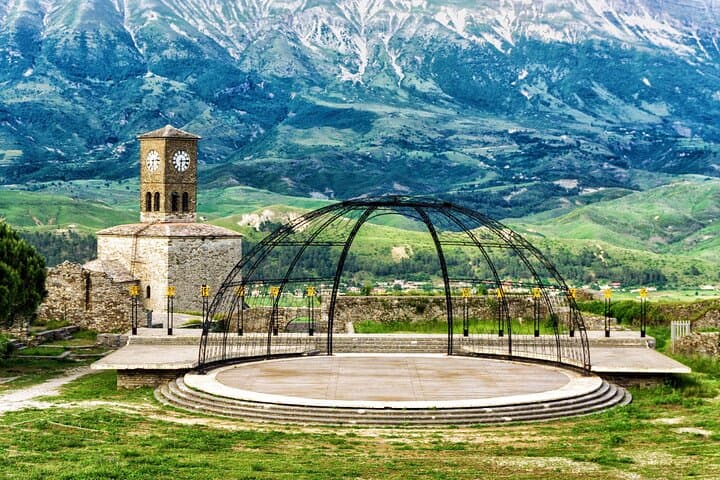
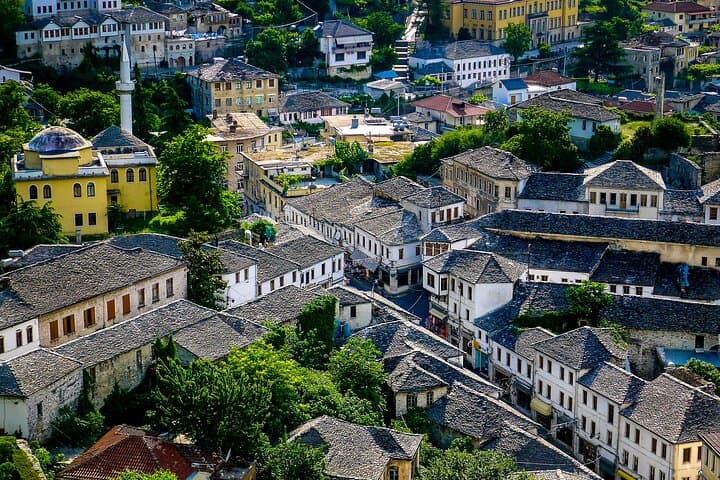
The route follows neighborhoods that predate modern Gjirokastër: Ottoman-era stone houses with metalwork balconies, the Zerzebili bridge that arcs over a dry streambed, and the sacred tekke of the Bektashi order in Cfaka. Geologically, the town sits on folded limestone slopes carved by seasonal runoff; the streets angle with that tilt, making each view a study in layered rock and human craft.
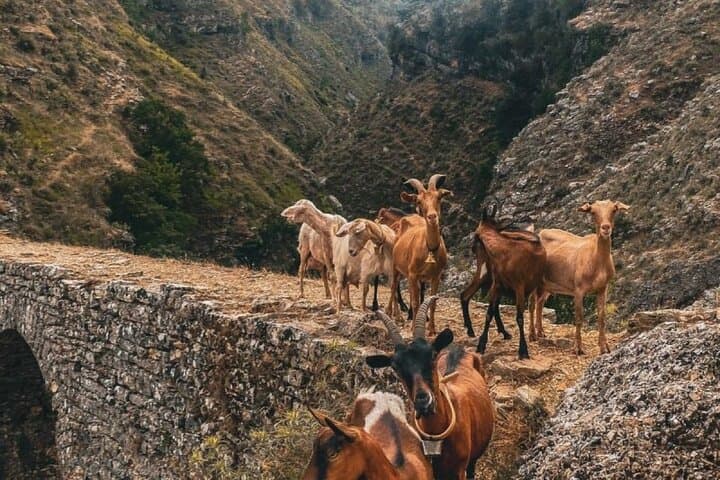
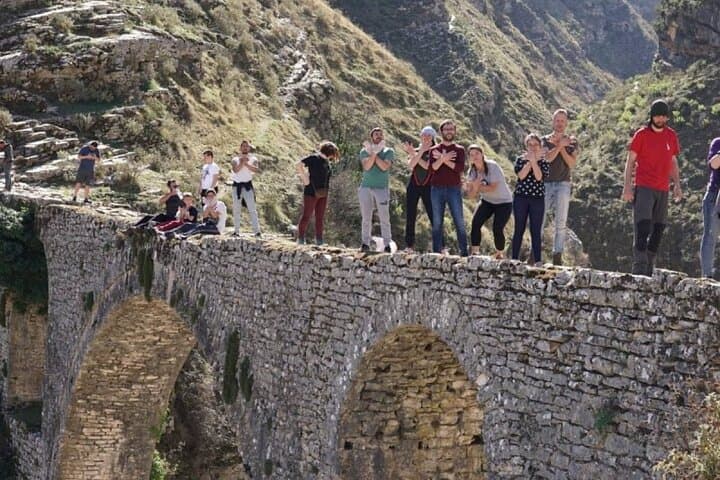
Culturally the place is blunt and direct — households, shepherds, and a living tradition of masonry. The Ali Pasha Bridge is the payoff: a small stone crossing framed by grazed hills, where the tone shifts from urban to pastoral.
Practical guidance: expect three hours of steady walking on cobbles and steep grades; bring supportive footwear, 1–1.5 liters of water, and a light layer for wind off the castle. The tour is roughly 3 hours, requires a minimum of two people, and is stroller-accessible with effort. Public transport brings you to the center and the guide will meet at Cerciz Topulli Square. Watch your step on wet stones and allow time for slow photography — this is a walk that rewards patience as much as pace.
easy.
3 hours.
Suitable for most fitness levels; requires steady walking on uneven cobbles and short uphill sections.
The guide meets at Cerciz Topulli Square in the center of the old town; the meeting point is accessible by local bus and on foot from most guesthouses.
Infants and small children can ride in a stroller, but cobbles and steps make sections bumpy and may require an adult to carry the stroller over short stretches.
Yes—the tour requires a minimum of two participants to run as stated in the tour details.
This is a walking cultural tour; admissions to any paid museums and food are not included unless specified by the operator.
Gjirokastër’s stone houses and defensive castle reflect Ottoman-period urbanism and local masonry traditions; the Ali Pasha Bridge ties to regional 18th–19th century power networks.
Cobblestone streets and historic facades are fragile—use established paths, avoid leaning on old masonry, and support local guides to keep tourism sustainable.
My Tour in Albania operates guided outdoor trips and adventures with an emphasis on safety, stewardship, and memorable experiences.
You step out of Cerciz Topulli Square and the cobbles take over: uneven stones, low doorways, and a slope that angles toward the castle wall. A cry of sheep drifts from the hills above as the narrow lane funnels you into the Old Bazaar — once a trading spine, now a quiet ribbon of weathered stone and shuttered shops that most visitors miss.
You step out of Cerciz Topulli Square and the cobbles take over: uneven stones, low doorways, and a slope that angles toward the castle wall. A cry of sheep drifts from the hills above as the narrow lane funnels you into the Old Bazaar — once a trading spine, now a quiet ribbon of weathered stone and shuttered shops that most visitors miss.
The route follows neighborhoods that predate modern Gjirokastër: Ottoman-era stone houses with metalwork balconies, the Zerzebili bridge that arcs over a dry streambed, and the sacred tekke of the Bektashi order in Cfaka. Geologically, the town sits on folded limestone slopes carved by seasonal runoff; the streets angle with that tilt, making each view a study in layered rock and human craft.
Culturally the place is blunt and direct — households, shepherds, and a living tradition of masonry. The Ali Pasha Bridge is the payoff: a small stone crossing framed by grazed hills, where the tone shifts from urban to pastoral.
Practical guidance: expect three hours of steady walking on cobbles and steep grades; bring supportive footwear, 1–1.5 liters of water, and a light layer for wind off the castle. The tour is roughly 3 hours, requires a minimum of two people, and is stroller-accessible with effort. Public transport brings you to the center and the guide will meet at Cerciz Topulli Square. Watch your step on wet stones and allow time for slow photography — this is a walk that rewards patience as much as pace.