THE ADVENTURE COLLECTIVE® · Independent discovery and booking for outdoor travel

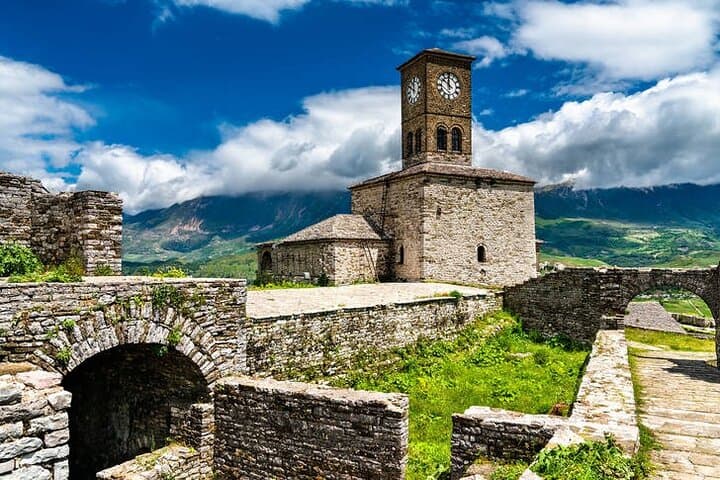
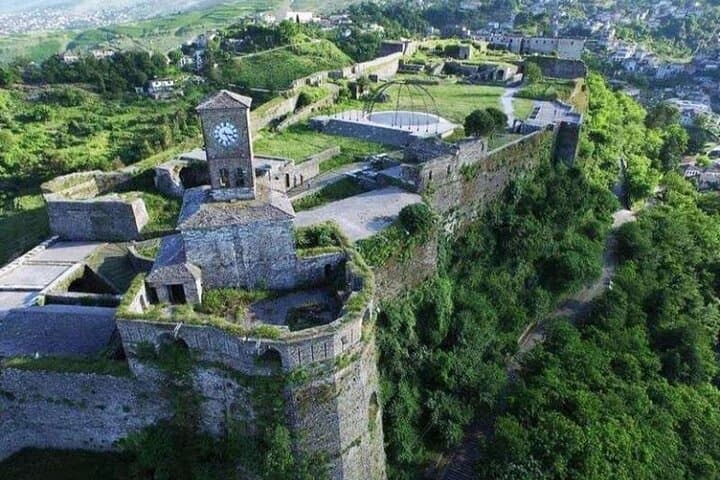
A full-day trip from Tirana delivers Gjirokastër’s UNESCO-listed old town: a hulking castle, cobbled bazaars, and authentic Albanian flavors. This guide explains what you’ll see, historical context, and the practical tips to make the most of the day.
A full-day trip from Tirana delivers Gjirokastër’s UNESCO-listed old town: a hulking castle, cobbled bazaars, and authentic Albanian flavors. This guide explains what you’ll see, historical context, and the practical tips to make the most of the day.
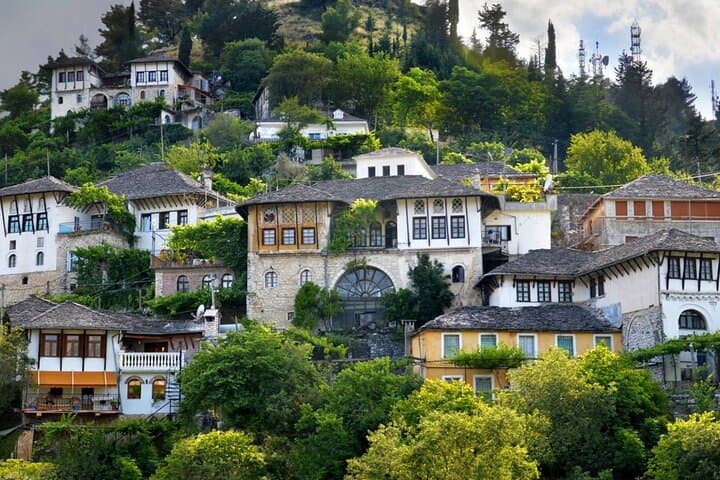
A morning mist lifts off the Drino valley as the minivan winds down toward the stone houses clinging to a steep hillside. Gjirokastër’s slate roofs and cobbled alleys appear like a lived-in fortress; voices echo in narrow streets and the castle above watches over the city’s layered past.
Verified experiences and guided adventures in the surrounding area.
Operated by Albanian Holidays · Gjirokastër, Gjirokastër County
A morning mist lifts off the Drino valley as the minivan winds down toward the stone houses clinging to a steep hillside. Gjirokastër’s slate roofs and cobbled alleys appear like a lived-in fortress; voices echo in narrow streets and the castle above watches over the city’s layered past.
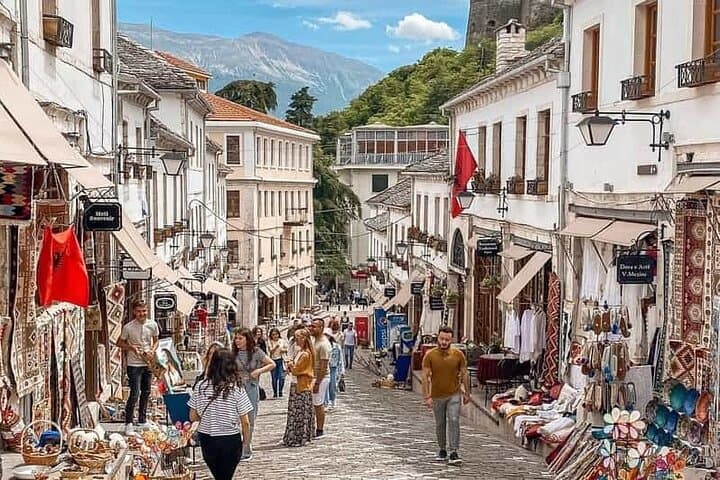
Visitors trace Ottoman-era streets where carved wooden balconies and thick stone walls speak to 18th- and 19th-century household life. Geologically, the town sits where limestone ridges drop into river terraces — the hard local stone gave the city its distinctive, angular architecture and durable paving that still channels rainwater into the old drainage cuts.
Culturally, Gjirokastër is a crossroads: the castle museum displays armaments and local artifacts, the bazaar hums with craftsmen making copperware and embroidered textiles, and tavernas serve qifqi, byrek and slow-roasted lamb paired with raki. A short stop at Uji i Ftohtë near Tepelenë refreshes the route home with cold spring water and riverside shade.
Practical guidance: expect long periods on cobblestones and a series of steep steps at the castle and around old houses; wear sturdy walking shoes and layer for variable mountain sun and wind. Bring local currency for small purchases and museum donations; check whether castle admission is included (this tour lists it as included). Tours typically run about 10 hours from Tirana with hotel pick-up and drop-off; start early to avoid midday crowds and heat in summer. Move deliberately through the bazaar alleys — the best craft stalls and rooftop views come to those who slow their pace.
easy.
10 hours.
Suitable for travelers in light to moderate fitness; requires walking on uneven cobbles and stairs.
The tour is approximately 10 hours with hotel pick-up and drop-off from Tirana; it includes an English-speaking guide, transport in an air-conditioned vehicle, and parking fees. Castle admission is listed as included.
Walking is moderate but mostly on uneven cobbles and stairs; the tour notes it is suitable for all fitness levels but is not recommended for those with serious back, heart, or pregnancy concerns.
Lunch is not explicitly included—there are recommended local eateries in Gjirokastër where you can sample qifqi, byrek, and regional dishes; bring cash for food.
The operator asks for special requirements at booking; note that historic sites have limited accessibility due to narrow streets and stairs, so contact the provider before booking for accommodations.
Gjirokastër’s stone-built townscape reflects Ottoman-era urban design and is protected as a UNESCO World Heritage site for its well-preserved vernacular architecture and historic buildings.
The old town’s stone fabric is sensitive to visitor wear; support local conservation by staying on marked paths, avoiding touching fragile facades, and buying from local artisans.
Albanian Holidays operates guided outdoor trips and adventures with an emphasis on safety, stewardship, and memorable experiences.
A morning mist lifts off the Drino valley as the minivan winds down toward the stone houses clinging to a steep hillside. Gjirokastër’s slate roofs and cobbled alleys appear like a lived-in fortress; voices echo in narrow streets and the castle above watches over the city’s layered past.
A morning mist lifts off the Drino valley as the minivan winds down toward the stone houses clinging to a steep hillside. Gjirokastër’s slate roofs and cobbled alleys appear like a lived-in fortress; voices echo in narrow streets and the castle above watches over the city’s layered past.
Visitors trace Ottoman-era streets where carved wooden balconies and thick stone walls speak to 18th- and 19th-century household life. Geologically, the town sits where limestone ridges drop into river terraces — the hard local stone gave the city its distinctive, angular architecture and durable paving that still channels rainwater into the old drainage cuts.
Culturally, Gjirokastër is a crossroads: the castle museum displays armaments and local artifacts, the bazaar hums with craftsmen making copperware and embroidered textiles, and tavernas serve qifqi, byrek and slow-roasted lamb paired with raki. A short stop at Uji i Ftohtë near Tepelenë refreshes the route home with cold spring water and riverside shade.
Practical guidance: expect long periods on cobblestones and a series of steep steps at the castle and around old houses; wear sturdy walking shoes and layer for variable mountain sun and wind. Bring local currency for small purchases and museum donations; check whether castle admission is included (this tour lists it as included). Tours typically run about 10 hours from Tirana with hotel pick-up and drop-off; start early to avoid midday crowds and heat in summer. Move deliberately through the bazaar alleys — the best craft stalls and rooftop views come to those who slow their pace.