THE ADVENTURE COLLECTIVE® · Independent discovery and booking for outdoor travel

Explore one of the Balkans’ grandest fortresses, step into a Cold War bunker, and wander Gjirokastër’s cobbled bazaar where Ottoman-era houses and local artisans bring history to life. This full-day tour balances big views with close-up cultural encounters.
Explore one of the Balkans’ grandest fortresses, step into a Cold War bunker, and wander Gjirokastër’s cobbled bazaar where Ottoman-era houses and local artisans bring history to life. This full-day tour balances big views with close-up cultural encounters.
Stepping off the air‑conditioned vehicle, the stone roofs of Gjirokastër rise like a compact village carved into the slope, the castle perched above like a watchful neighbor.
Verified experiences and guided adventures in the surrounding area.
Operated by Adore Albania · Gjirokastër, Gjirokastër County
Stepping off the air‑conditioned vehicle, the stone roofs of Gjirokastër rise like a compact village carved into the slope, the castle perched above like a watchful neighbor.
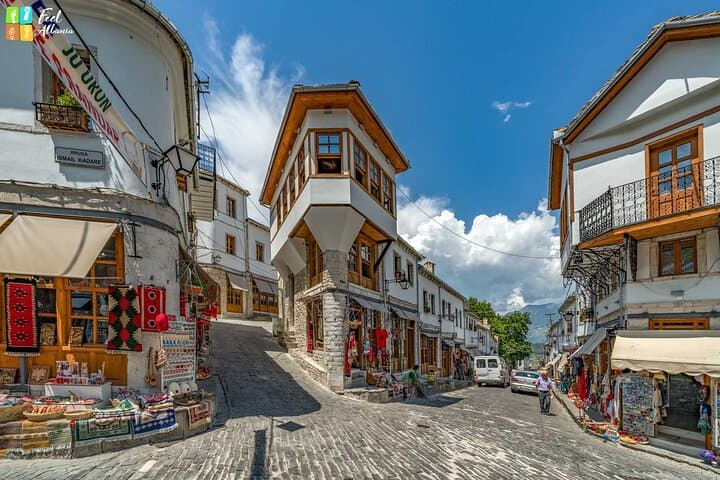
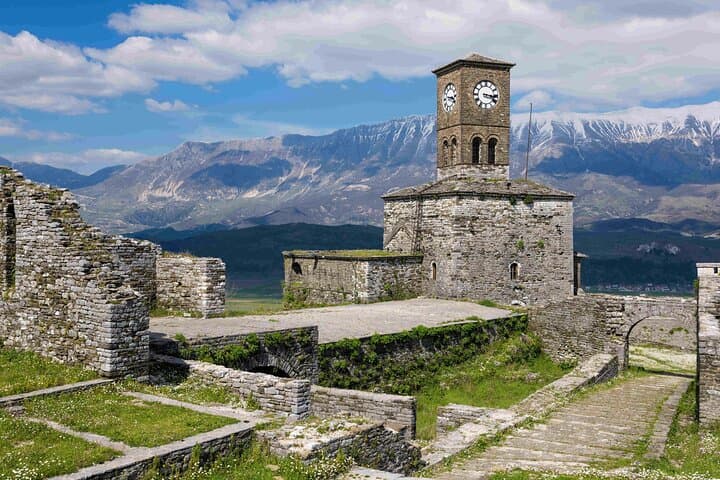
The tour moves from the fortress ramparts into tight, cobbled streets where Ottoman-era houses — heavy with slate roofs and carved shutters — frame the market hum. At the castle you’ll walk thick curtain walls and peer into an underground world: a Cold War-era bunker and an unexpected derelict aircraft that punctuate Albania’s 20th‑century story.
Geology and geography shape the visit. The town sits on folded limestone terraces above the Drino Valley; views sweep across olive groves and orchards, and the rock underfoot explains the durable stone architecture. Culture turns up in the bazaar: silversmiths, textile weavers, and small cafés serving byrek and strong Albanian coffee. Gjirokastër’s Old Town is UNESCO-listed for this concentrated historic fabric and its well‑preserved ‘kulla’ houses.
Practical guidance: plan for a full day — expect 8–11 hours with stops. Wear sturdy, grippy shoes for steep cobbles and castle stairs; bring a reusable water bottle and layered clothing for wind on the ramparts. Carry cash for small crafts; many stalls are local vendors. Photography is excellent at golden hour, but mornings are cooler and less crowded. Note that some sites include steep steps and uneven surfaces, so the tour is best for those comfortable on their feet. Respect fragile architecture, support artisan sellers, and leave no trace in the narrow lanes.
moderate.
8–11 hours.
Suitable for travelers who can walk several hours with short steep sections and stairs; not strenuous but requires mobility.
The itinerary lists castle admission as included; confirm with the tour provider for any additional museum fees before travel.
Yes, the tunnel is part of the visit but has low ceilings and uneven flooring—it's accessible for most but not suitable for those with serious mobility issues.
Day trips typically include pickup from central Tirana or a designated meeting point; check your booking confirmation for specifics.
Yes — the bazaar and local cafés offer snacks and meals, but bringing small local currency is recommended for vendors who do not accept cards.
Gjirokastër’s stone houses and fortified citadel reflect centuries of Ottoman influence; the castle also holds artifacts from Albania’s communist era including Cold War bunkers.
The Old Town’s stone streets and historic roofs are sensitive to heavy foot traffic—support local businesses, avoid climbing on fragile structures, and carry out any litter.
Adore Albania operates guided outdoor trips and adventures with an emphasis on safety, stewardship, and memorable experiences.
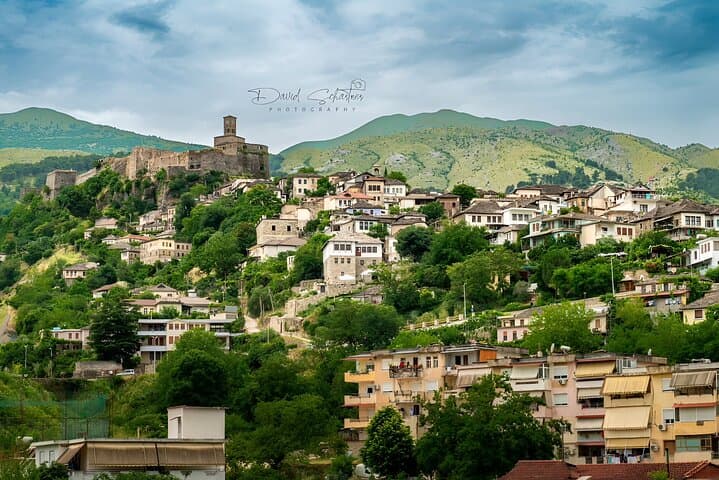
Stepping off the air‑conditioned vehicle, the stone roofs of Gjirokastër rise like a compact village carved into the slope, the castle perched above like a watchful neighbor.
Stepping off the air‑conditioned vehicle, the stone roofs of Gjirokastër rise like a compact village carved into the slope, the castle perched above like a watchful neighbor.
The tour moves from the fortress ramparts into tight, cobbled streets where Ottoman-era houses — heavy with slate roofs and carved shutters — frame the market hum. At the castle you’ll walk thick curtain walls and peer into an underground world: a Cold War-era bunker and an unexpected derelict aircraft that punctuate Albania’s 20th‑century story.
Geology and geography shape the visit. The town sits on folded limestone terraces above the Drino Valley; views sweep across olive groves and orchards, and the rock underfoot explains the durable stone architecture. Culture turns up in the bazaar: silversmiths, textile weavers, and small cafés serving byrek and strong Albanian coffee. Gjirokastër’s Old Town is UNESCO-listed for this concentrated historic fabric and its well‑preserved ‘kulla’ houses.
Practical guidance: plan for a full day — expect 8–11 hours with stops. Wear sturdy, grippy shoes for steep cobbles and castle stairs; bring a reusable water bottle and layered clothing for wind on the ramparts. Carry cash for small crafts; many stalls are local vendors. Photography is excellent at golden hour, but mornings are cooler and less crowded. Note that some sites include steep steps and uneven surfaces, so the tour is best for those comfortable on their feet. Respect fragile architecture, support artisan sellers, and leave no trace in the narrow lanes.