THE ADVENTURE COLLECTIVE® · Independent discovery and booking for outdoor travel

A full‑day cultural run from Tirana to Ardenica Monastery and Gjirokastër that pairs hilltop frescoes with a walkable UNESCO town. Expect cobbled streets, steep stairways, and a long but rewarding day exploring stone houses and local bazaars.
A full‑day cultural run from Tirana to Ardenica Monastery and Gjirokastër that pairs hilltop frescoes with a walkable UNESCO town. Expect cobbled streets, steep stairways, and a long but rewarding day exploring stone houses and local bazaars.
You leave the lowland hum of Tirana or Durrës before dawn and the road pulls you south through olive groves and folded limestone ridges. By midmorning the bus eases into a gravel turn and Ardenica Monastery appears on a wooded rise, its frescoed church catching slanted light while the valley seems to breathe below.
Verified experiences and guided adventures in the surrounding area.
Operated by Balkan Path Tours · Gjirokastër, Gjirokastër County
You leave the lowland hum of Tirana or Durrës before dawn and the road pulls you south through olive groves and folded limestone ridges. By midmorning the bus eases into a gravel turn and Ardenica Monastery appears on a wooded rise, its frescoed church catching slanted light while the valley seems to breathe below.
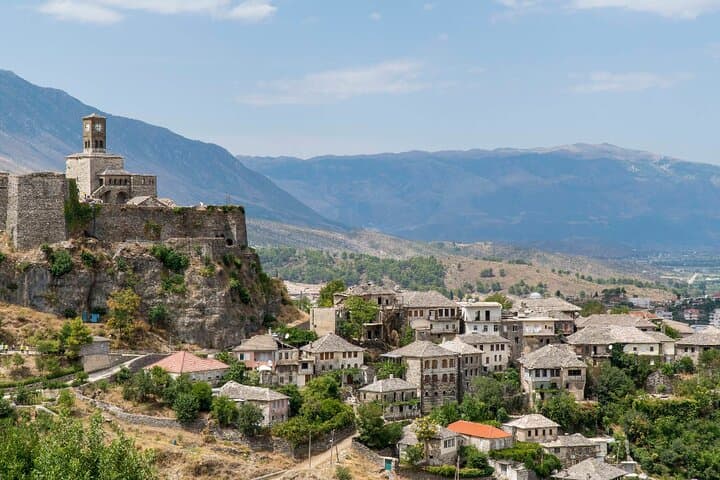
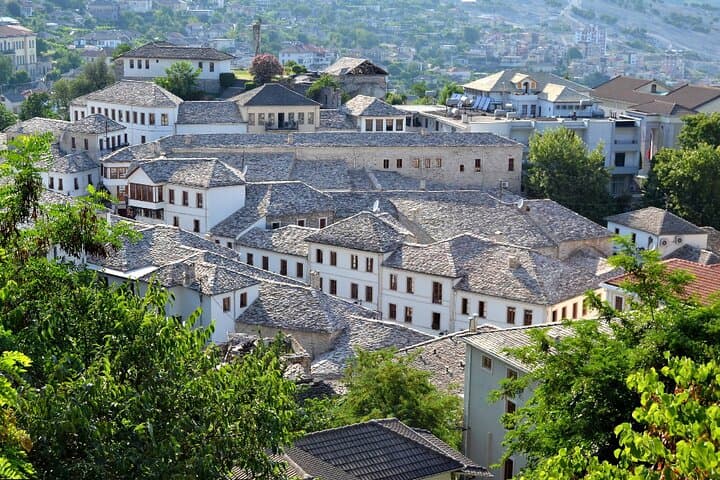
Ardenica is a 13th‑century Orthodox complex known for preserved frescoes and a wooden iconostasis; local guides note its role in national history, famously tied to a wedding of Albania’s national hero. The day's arc moves from that quiet, sacred hill to Gjirokastër, a UNESCO World Heritage town built into steep terrain where massive stone houses and slate roofs step down toward the Drino valley.
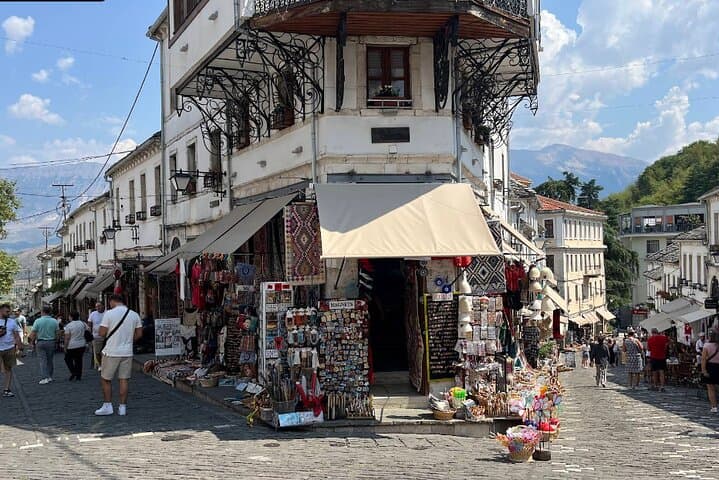
Geology shapes everything here: slate and limestone slabs form narrow, cobbled streets that demand attention and slow steps. Ottoman‑era architecture and fortified houses like Zekate give the skyline a defensive, lived‑in presence; bazaars and small museums add tangible cultural layers. The air can be sharp in shoulder seasons and heavy with sun in summer, so timing matters.
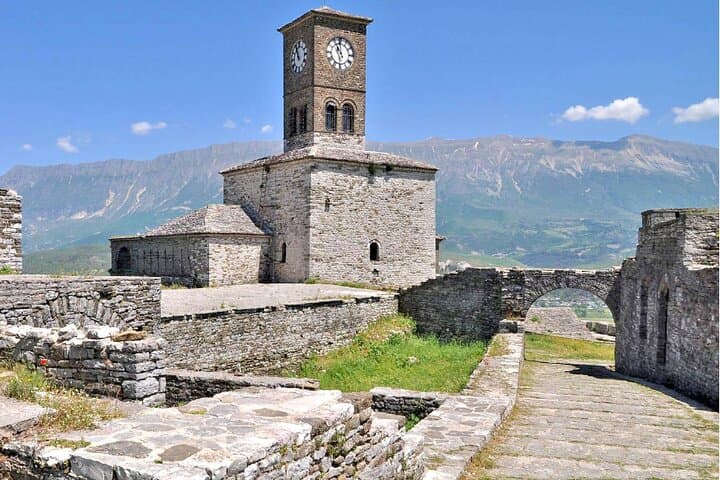
Practical guidance: this is a long day (roughly 10–11 hours) with guided segments and free time in Gjirokastër for lunch and wandering. Wear sturdy walking shoes for uneven cobbles and stairways, carry water and a daypack, and bring cash for small purchases. Note museums and the castle often have limited hours in winter and many close Mondays November–April. Move deliberately, respect fragile frescoes (no flash photography), and allow time to climb rooftops for wide views—the town rewards the effort.
moderate.
10–11 hours.
Moderate fitness: able to walk several hours, handle stairs and uneven surfaces, and endure a full day on a coach and on foot.
The tour runs about 10–11 hours and includes transportation, an English‑speaking guide, Ardenica Monastery entrance fee, and pick‑up/drop‑off from Tirana, Durrës or Golem.
No—many museums and the castle have reduced hours in winter and several close on Mondays between November and April; check seasonally before booking.
Not recommended—Gjirokastër’s steep, cobbled streets and stairways make access difficult for travelers with mobility constraints or significant back/spine issues.
Yes—there are cafes, small restaurants, and market stalls in the old bazaar; bringing cash is advisable for smaller vendors.
Gjirokastër’s stone houses and fortified mansions reflect its Ottoman‑era development; Ardenica Monastery dates to the 13th century and contains notable Byzantine‑style frescoes.
Visitor pressure concentrates on fragile frescoes and narrow streets—avoid touching art, stay on marked paths, and support local museums and craft vendors to keep heritage sites viable.
Balkan Path Tours operates guided outdoor trips and adventures with an emphasis on safety, stewardship, and memorable experiences.
You leave the lowland hum of Tirana or Durrës before dawn and the road pulls you south through olive groves and folded limestone ridges. By midmorning the bus eases into a gravel turn and Ardenica Monastery appears on a wooded rise, its frescoed church catching slanted light while the valley seems to breathe below.
You leave the lowland hum of Tirana or Durrës before dawn and the road pulls you south through olive groves and folded limestone ridges. By midmorning the bus eases into a gravel turn and Ardenica Monastery appears on a wooded rise, its frescoed church catching slanted light while the valley seems to breathe below.
Ardenica is a 13th‑century Orthodox complex known for preserved frescoes and a wooden iconostasis; local guides note its role in national history, famously tied to a wedding of Albania’s national hero. The day's arc moves from that quiet, sacred hill to Gjirokastër, a UNESCO World Heritage town built into steep terrain where massive stone houses and slate roofs step down toward the Drino valley.
Geology shapes everything here: slate and limestone slabs form narrow, cobbled streets that demand attention and slow steps. Ottoman‑era architecture and fortified houses like Zekate give the skyline a defensive, lived‑in presence; bazaars and small museums add tangible cultural layers. The air can be sharp in shoulder seasons and heavy with sun in summer, so timing matters.
Practical guidance: this is a long day (roughly 10–11 hours) with guided segments and free time in Gjirokastër for lunch and wandering. Wear sturdy walking shoes for uneven cobbles and stairways, carry water and a daypack, and bring cash for small purchases. Note museums and the castle often have limited hours in winter and many close Mondays November–April. Move deliberately, respect fragile frescoes (no flash photography), and allow time to climb rooftops for wide views—the town rewards the effort.