THE ADVENTURE COLLECTIVE® · Independent discovery and booking for outdoor travel

Pair Gjakova’s living history with the alpine clarity of Valbona Valley on a private full-day tour. Walk historic bazaars and visit a 16th-century mosque, then cross into northern Albania for rivers, waterfalls, and remote mountain air.
Pair Gjakova’s living history with the alpine clarity of Valbona Valley on a private full-day tour. Walk historic bazaars and visit a 16th-century mosque, then cross into northern Albania for rivers, waterfalls, and remote mountain air.
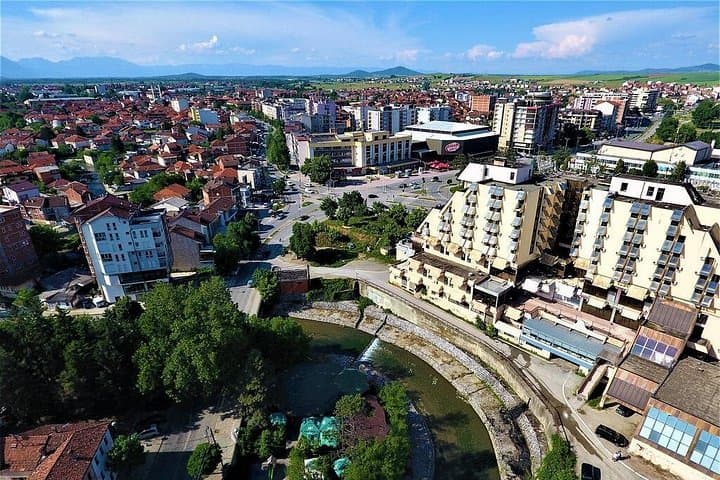
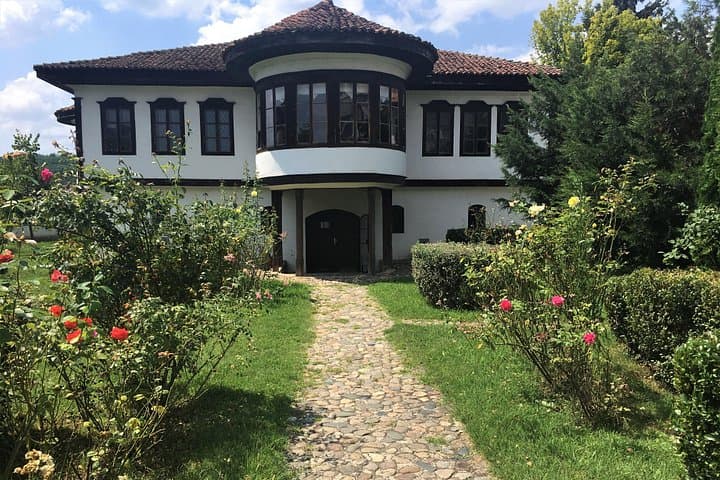
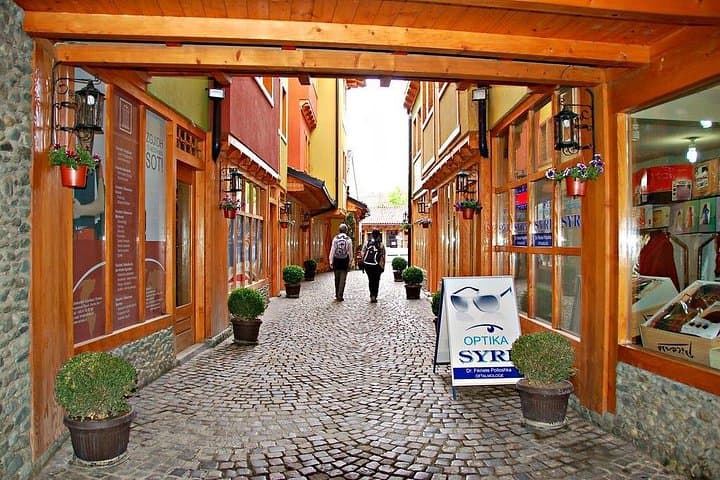
You step out onto Gjakova’s cobbled lane as morning light bends off carved stone — the city’s clock tower keeping a soft, steady watch while the bazaar unwraps its stalls. The guide leads you past Abdullah Pasha Dreni’s old house and the Hadum Mosque, the 16th-century minaret cutting a clear line into the sky, before the road unspools north toward the Albanian Alps and the raw hush of Valbona Valley.
Verified experiences and guided adventures in the surrounding area.
Operated by Svonon Tours · Gjakova, Gjakova District
You step out onto Gjakova’s cobbled lane as morning light bends off carved stone — the city’s clock tower keeping a soft, steady watch while the bazaar unwraps its stalls. The guide leads you past Abdullah Pasha Dreni’s old house and the Hadum Mosque, the 16th-century minaret cutting a clear line into the sky, before the road unspools north toward the Albanian Alps and the raw hush of Valbona Valley.
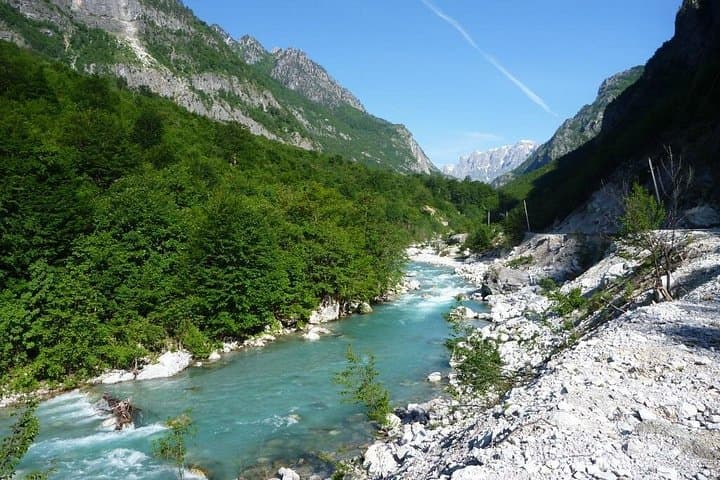
Gjakova’s streets record Ottoman-era trade and local craft: tekke shrines, stone houses with deep-set windows, and woodworkers still shaping household pieces the old way. Cross the border (bring ID) and the geology shifts — limestone ridges, glacial-carved hollows, and rivers that seem to push the valley open. Valbona’s water runs cold and candid; small waterfalls and alpine meadows punctuate the route, and isolated hamlets keep pastoral traditions alive.
Practical guidance: this private full-day loop runs about 8–10 hours with roughly 1 hour 20 minutes driving each way from Gjakova, mostly on paved and mountain roads. Wear grippy shoes for short riverside walks, carry a passport for the border, and plan for sudden weather changes in the valley. Bring cash for village restaurants and support local artisans in the bazaar.
Timing: aim for early departure to avoid afternoon rain and to catch quieter moments beside the Valbona river. Respect local customs in religious sites and follow leave-no-trace paths — this is a living landscape that still demands quiet attention.
easy.
8–10 hours.
Suitable for most people who can walk several hours with short, easy trails and minimal elevation gain.
Yes — the itinerary crosses from Kosovo into Albania, so all participants must carry valid passports or the required national ID for border formalities.
Expect several short walks in Gjakova’s bazaar and along the Valbona river; paths are generally short and not steep, suitable for most fitness levels.
Lunch at a local restaurant in Valbona is part of the visit opportunity, but confirm whether it’s included in your booking; either way plan for cash or card depending on the venue.
Local guides often speak English and regional languages; confirm language availability when booking to ensure a comfortable experience.
Gjakova grew as an Ottoman trading center; Hadum Mosque (16th century) and the old Grand Bazaar reflect its role as a regional cultural hub.
Valbona sits within a sensitive alpine ecosystem — stick to marked paths, avoid disturbing water sources, and prioritize local, low-impact vendors to support conservation.
Svonon Tours operates guided outdoor trips and adventures with an emphasis on safety, stewardship, and memorable experiences.
You step out onto Gjakova’s cobbled lane as morning light bends off carved stone — the city’s clock tower keeping a soft, steady watch while the bazaar unwraps its stalls. The guide leads you past Abdullah Pasha Dreni’s old house and the Hadum Mosque, the 16th-century minaret cutting a clear line into the sky, before the road unspools north toward the Albanian Alps and the raw hush of Valbona Valley.
You step out onto Gjakova’s cobbled lane as morning light bends off carved stone — the city’s clock tower keeping a soft, steady watch while the bazaar unwraps its stalls. The guide leads you past Abdullah Pasha Dreni’s old house and the Hadum Mosque, the 16th-century minaret cutting a clear line into the sky, before the road unspools north toward the Albanian Alps and the raw hush of Valbona Valley.
Gjakova’s streets record Ottoman-era trade and local craft: tekke shrines, stone houses with deep-set windows, and woodworkers still shaping household pieces the old way. Cross the border (bring ID) and the geology shifts — limestone ridges, glacial-carved hollows, and rivers that seem to push the valley open. Valbona’s water runs cold and candid; small waterfalls and alpine meadows punctuate the route, and isolated hamlets keep pastoral traditions alive.
Practical guidance: this private full-day loop runs about 8–10 hours with roughly 1 hour 20 minutes driving each way from Gjakova, mostly on paved and mountain roads. Wear grippy shoes for short riverside walks, carry a passport for the border, and plan for sudden weather changes in the valley. Bring cash for village restaurants and support local artisans in the bazaar.
Timing: aim for early departure to avoid afternoon rain and to catch quieter moments beside the Valbona river. Respect local customs in religious sites and follow leave-no-trace paths — this is a living landscape that still demands quiet attention.