THE ADVENTURE COLLECTIVE® · Independent discovery and booking for outdoor travel

Watch the Sphinx come alive as lights and narration recount the builders and rulers of ancient Egypt. This one-hour evening show at Giza offers dramatic views of the pyramids and a practical gateway into pharaonic history for first-time visitors.
Watch the Sphinx come alive as lights and narration recount the builders and rulers of ancient Egypt. This one-hour evening show at Giza offers dramatic views of the pyramids and a practical gateway into pharaonic history for first-time visitors.
A hush settles over the plateau as headlights fade and a single spotlight pulls the Sphinx from shadow. The air—dry, warm, carrying faint dust—carries the voice that will narrate a story three millennia old. At the Giza Sound & Light Show, stone wakes to rhetoric: kings and builders step forward in narrated scenes while colors sweep across the faces of Cheops, Khafre and Menkaure.
Verified experiences and guided adventures in the surrounding area.
Operated by Sun Of Egypt Tour · Giza, Cairo Governorate
A hush settles over the plateau as headlights fade and a single spotlight pulls the Sphinx from shadow. The air—dry, warm, carrying faint dust—carries the voice that will narrate a story three millennia old. At the Giza Sound & Light Show, stone wakes to rhetoric: kings and builders step forward in narrated scenes while colors sweep across the faces of Cheops, Khafre and Menkaure.
The performance condenses the long arc of Egypt’s Old Kingdom into a one-hour script: monument construction, pharaonic lineage and key figures such as Thutmose IV and Tutankhamun. Geology feels present here—beds of limestone and the ancient bedrock of the Nile floodplain support the pyramids’ angled silhouettes—and the stones themselves seem to communicate the passing of time.
Cultural context matters: the show is an interpretation meant for visitors, delivered in multiple languages at different performances, and framed by modern tourism infrastructure like the light rigs, sound system and a managed visitor plateau.
Practical guidance: shows typically run after dusk and last about an hour; pickups often include hotel transfers in air-conditioned vehicles. Expect paved and uneven surfaces, security checkpoints and crowds; bring cash for onsite vendors and a jacket for desert nights. Cameras work well for wide shots but long exposures require a tripod and patience. If you want a quieter view, arrive early to claim a spot along the fence. The presentation is theatrical rather than archaeological—go for the atmosphere and panoramic night views of Cairo, and treat the narration as an evocative introduction rather than detailed scholarship.
easy.
2–4 hours (including pickup and transport).
Suitable for all fitness levels; involves standing and short walks on uneven stone
The narrated light and sound performance runs about one hour; allow extra time for pickup, transfers and security.
Many organized tours include pickup and return in an air-conditioned vehicle; check your booking details for confirmation.
Yes, the production offers translations or separate performances in several languages—confirm language options when booking.
Photography is permitted for wide shots; flash is discouraged and tripods may be restricted depending on crowding and security.
The Giza plateau holds the three major pyramids of the Fourth Dynasty; the modern sound-and-light format was introduced in the 20th century to narrate pharaonic history for visitors.
Visitor management focuses on protecting the stone surfaces and controlling foot traffic; avoid touching the monuments and follow marked paths to reduce wear and erosion.
Sun Of Egypt Tour operates guided outdoor trips and adventures with an emphasis on safety, stewardship, and memorable experiences.
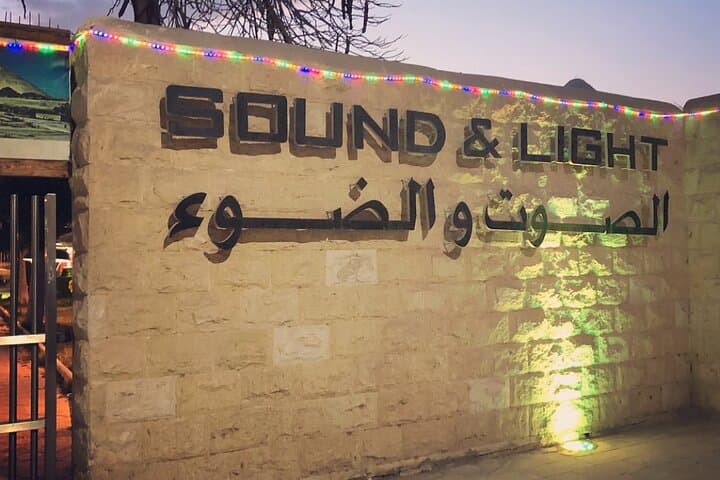
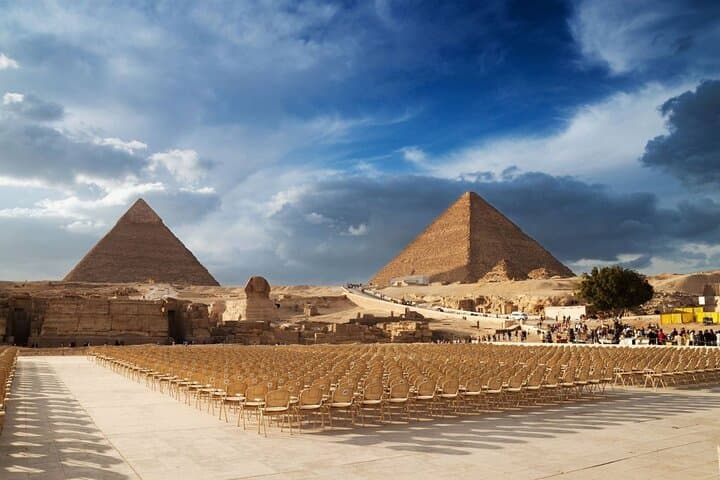
A hush settles over the plateau as headlights fade and a single spotlight pulls the Sphinx from shadow. The air—dry, warm, carrying faint dust—carries the voice that will narrate a story three millennia old. At the Giza Sound & Light Show, stone wakes to rhetoric: kings and builders step forward in narrated scenes while colors sweep across the faces of Cheops, Khafre and Menkaure.
A hush settles over the plateau as headlights fade and a single spotlight pulls the Sphinx from shadow. The air—dry, warm, carrying faint dust—carries the voice that will narrate a story three millennia old. At the Giza Sound & Light Show, stone wakes to rhetoric: kings and builders step forward in narrated scenes while colors sweep across the faces of Cheops, Khafre and Menkaure.
The performance condenses the long arc of Egypt’s Old Kingdom into a one-hour script: monument construction, pharaonic lineage and key figures such as Thutmose IV and Tutankhamun. Geology feels present here—beds of limestone and the ancient bedrock of the Nile floodplain support the pyramids’ angled silhouettes—and the stones themselves seem to communicate the passing of time.
Cultural context matters: the show is an interpretation meant for visitors, delivered in multiple languages at different performances, and framed by modern tourism infrastructure like the light rigs, sound system and a managed visitor plateau.
Practical guidance: shows typically run after dusk and last about an hour; pickups often include hotel transfers in air-conditioned vehicles. Expect paved and uneven surfaces, security checkpoints and crowds; bring cash for onsite vendors and a jacket for desert nights. Cameras work well for wide shots but long exposures require a tripod and patience. If you want a quieter view, arrive early to claim a spot along the fence. The presentation is theatrical rather than archaeological—go for the atmosphere and panoramic night views of Cairo, and treat the narration as an evocative introduction rather than detailed scholarship.