THE ADVENTURE COLLECTIVE® · Independent discovery and booking for outdoor travel

Spend a day tracing the origins of Egyptian stone architecture—from Saqqara’s Step Pyramid to the Giza Plateau—on a private tour that includes a camel ride and lunch. Practical, well-paced, and guided by an Egyptologist, it’s an efficient way to see the region’s key monuments.
Spend a day tracing the origins of Egyptian stone architecture—from Saqqara’s Step Pyramid to the Giza Plateau—on a private tour that includes a camel ride and lunch. Practical, well-paced, and guided by an Egyptologist, it’s an efficient way to see the region’s key monuments.
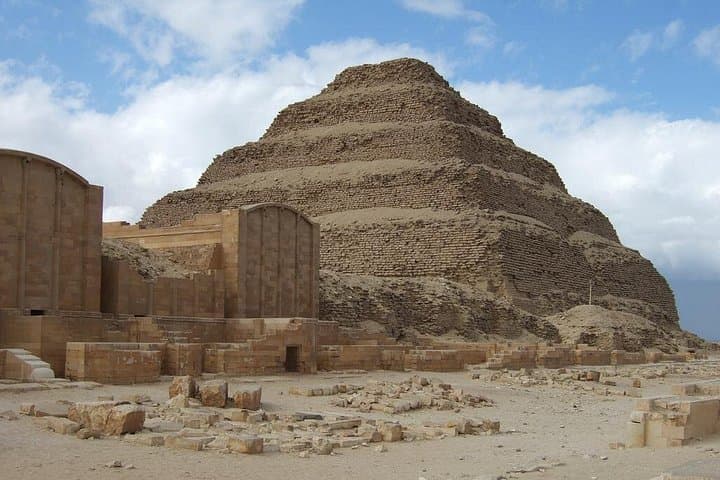
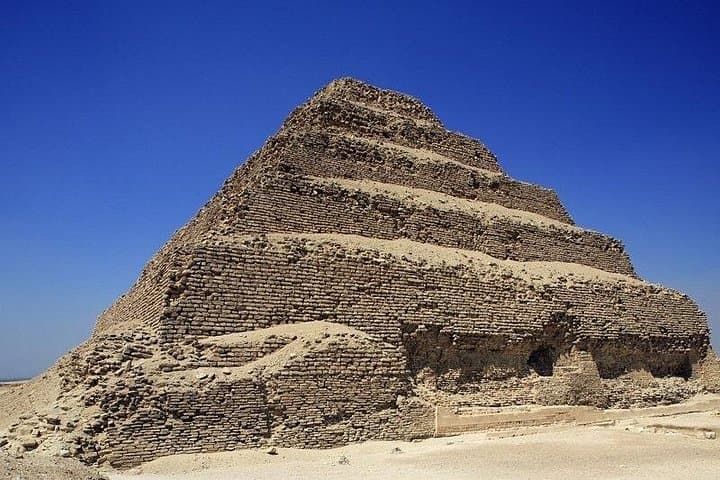
Early morning light slices across the limestone plateau as a private van pulls away from Cairo toward Saqqara. The air smells faintly of dust and diesel; the guide traces routes older than the city itself while the Step Pyramid of Djoser—its stepped silhouette—commands the scene.
Verified experiences and guided adventures in the surrounding area.
Operated by Grand Egypt Tours · Giza, Giza Governorate
Early morning light slices across the limestone plateau as a private van pulls away from Cairo toward Saqqara. The air smells faintly of dust and diesel; the guide traces routes older than the city itself while the Step Pyramid of Djoser—its stepped silhouette—commands the scene.
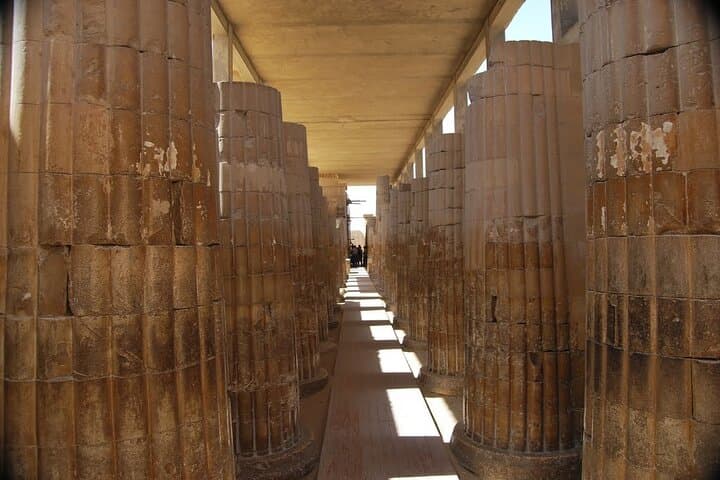
The day moves through layered history: Saqqara’s funerary complex (c. 2700 BCE) where stone replaced mudbrick; Memphis, once Egypt’s first unified capital, offering statues and stelae that map early statecraft; and finally the Giza Plateau, where the Great Pyramid, Khafre and Menkaure rise from wind-swept sand beside the Sphinx.
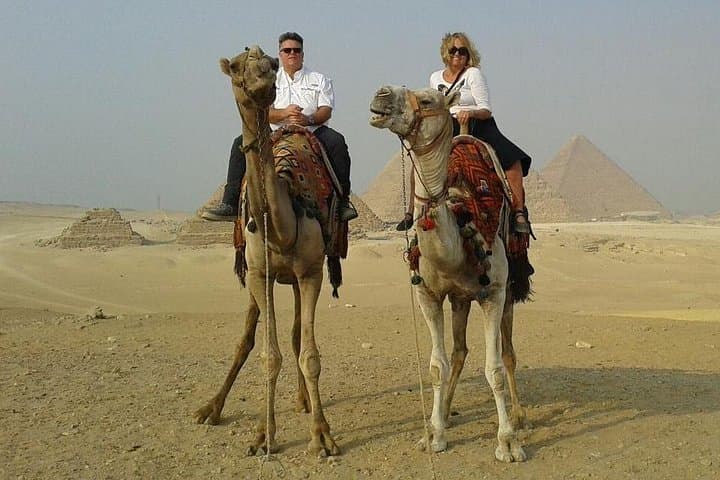
Geology here is straightforward—limestone bedrock cut by millennia of quarrying, topped with aeolian sand that shifts with every gust—so footing can be uneven near tombs and mastabas. Culture is immediate: licensed Egyptologists narrate royal rituals, local restaurateurs serve ful medames and koshari, and camel handlers coordinate short rides that put the pyramids at eye level.
Practical bits: this private, door-to-door tour runs about 7–8 hours with moderate walking and a 30-minute camel ride; admission policies vary, so confirm entrance fees in advance. Wear closed-toe shoes for uneven stone and sandals for camel mounting, sun protection, and carry extra water. Expect tips for guides and camel handlers; bring small bills.
This itinerary balances archaeological depth with accessible logistics—ideal for travelers who want a concentrated, well-guided survey of Egypt’s foundational monuments without navigating Cairo traffic themselves.
moderate.
7–8 hours.
Light-to-moderate fitness for walking on uneven surfaces and mounting a camel; able to handle heat for extended periods.
Policies vary—this tour often excludes some admissions; confirm at booking and bring cash or card to pay any fees on site.
The camel ride is approximately 30 minutes and takes place around the pyramids from the panoramic area.
The tour is family-friendly but involves uneven terrain; wheelchair access is limited at some tomb sites—check accessibility options when booking.
Smart-casual dress is advised: breathable clothing, closed-toe shoes for walking, and conservative coverage in keeping with local customs.
Saqqara contains Egypt’s oldest large-scale stone structure—the Step Pyramid built for Djoser c. 2700 BCE—and Memphis served as the country’s first capital after unification.
High visitor numbers and desert erosion stress these sites; stick to marked paths, avoid climbing monuments, and follow guide instructions to minimize impact.
Grand Egypt Tours operates guided outdoor trips and adventures with an emphasis on safety, stewardship, and memorable experiences.
Early morning light slices across the limestone plateau as a private van pulls away from Cairo toward Saqqara. The air smells faintly of dust and diesel; the guide traces routes older than the city itself while the Step Pyramid of Djoser—its stepped silhouette—commands the scene.
Early morning light slices across the limestone plateau as a private van pulls away from Cairo toward Saqqara. The air smells faintly of dust and diesel; the guide traces routes older than the city itself while the Step Pyramid of Djoser—its stepped silhouette—commands the scene.
The day moves through layered history: Saqqara’s funerary complex (c. 2700 BCE) where stone replaced mudbrick; Memphis, once Egypt’s first unified capital, offering statues and stelae that map early statecraft; and finally the Giza Plateau, where the Great Pyramid, Khafre and Menkaure rise from wind-swept sand beside the Sphinx.
Geology here is straightforward—limestone bedrock cut by millennia of quarrying, topped with aeolian sand that shifts with every gust—so footing can be uneven near tombs and mastabas. Culture is immediate: licensed Egyptologists narrate royal rituals, local restaurateurs serve ful medames and koshari, and camel handlers coordinate short rides that put the pyramids at eye level.
Practical bits: this private, door-to-door tour runs about 7–8 hours with moderate walking and a 30-minute camel ride; admission policies vary, so confirm entrance fees in advance. Wear closed-toe shoes for uneven stone and sandals for camel mounting, sun protection, and carry extra water. Expect tips for guides and camel handlers; bring small bills.
This itinerary balances archaeological depth with accessible logistics—ideal for travelers who want a concentrated, well-guided survey of Egypt’s foundational monuments without navigating Cairo traffic themselves.