THE ADVENTURE COLLECTIVE® · Independent discovery and booking for outdoor travel

Watch the Giza plateau change color as you ride a camel to a panoramic viewpoint, sip Bedouin tea, and stand closer to the pyramids than many tours allow. Practical tips on timing, footwear, and admissions help you plan the perfect sunset visit.
Watch the Giza plateau change color as you ride a camel to a panoramic viewpoint, sip Bedouin tea, and stand closer to the pyramids than many tours allow. Practical tips on timing, footwear, and admissions help you plan the perfect sunset visit.
The last light spills across the plateau and the Pyramids cut long, precise shadows into the sand. You move closer than the usual overlook — footsteps crunch on packed limestone, a camel sways beneath you, and the desert wind seems to push the horizon a degree further each minute. The sunset point near the Giza complex makes the ancient stones read like a map of human ambition against the sky.
Verified experiences and guided adventures in the surrounding area.
Operated by Pretty Egypt Tours · Giza, Giza Governorate
The last light spills across the plateau and the Pyramids cut long, precise shadows into the sand. You move closer than the usual overlook — footsteps crunch on packed limestone, a camel sways beneath you, and the desert wind seems to push the horizon a degree further each minute. The sunset point near the Giza complex makes the ancient stones read like a map of human ambition against the sky.
These monuments date to Egypt’s Old Kingdom (c. 26th century BCE), formed from local Tura limestone and quarried blocks hauled into place over generations. The plateau’s geology is flat and rocky, punctuated by sand drifts; the area’s Bedouin communities have long guided travelers here and introduced the ritual of strong, sweet tea after a long day outdoors.
On this private, short-format tour expect a close perimeter approach to the pyramids, optional paid access inside specific structures, a guided camel ride to the panoramic lookout, and a seated moment with traditional Bedouin tea as the sun drops. The tour typically includes air-conditioned transfers and bottled water but not internal pyramid admission fees.
Practical notes: wear sturdy, closed shoes for uneven limestone and loose sand; carry sun protection and a light layer for cooling dusk breezes; allow extra time if you plan to enter a pyramid — ticket lines and security checks vary. Respect site rules and local guides, and bring cash for optional tips and entry fees. Sunset timing gives the best color and cooler temperatures, but the desert can be windy; a lightweight scarf serves both sun and sand.
easy.
1–4 hours.
Suitable for most fitness levels; involves short walks on uneven ground and a seated camel ride.
Entering specific pyramids typically requires an additional ticket on site; confirm with the operator and budget extra time for security and lines.
Yes, a short camel ride to and from the panoramic view is included in this private tour, but riding time is brief and staged for photos and the sunset view.
Pickup from Cairo and Giza hotels is usually included; travelers from outside these areas may incur an extra charge—verify at booking.
Families are welcome; infants must sit on an adult’s lap during transfers and the tour is rated easy for all fitness levels.
The Giza Necropolis originated in Egypt’s Fourth Dynasty; the Great Pyramid is one of the last surviving Seven Wonders, built from nearby limestone and granite quarries.
High visitor numbers stress fragile surfaces—stick to designated paths, avoid climbing on monuments, and follow guide instructions to reduce erosion and wear.
Pretty Egypt Tours operates guided outdoor trips and adventures with an emphasis on safety, stewardship, and memorable experiences.
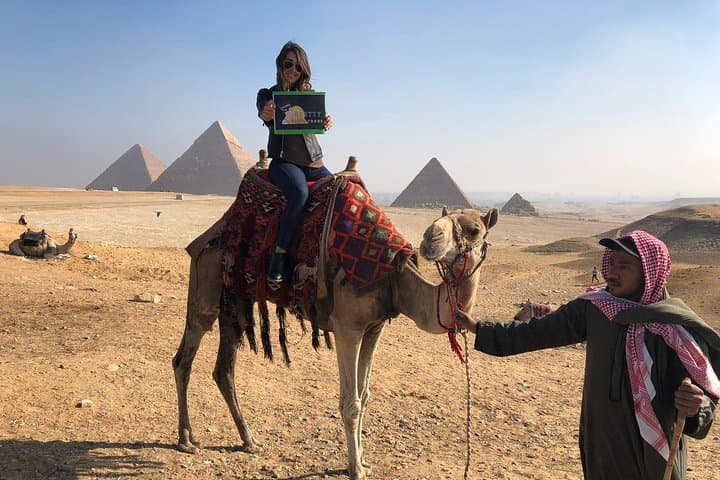
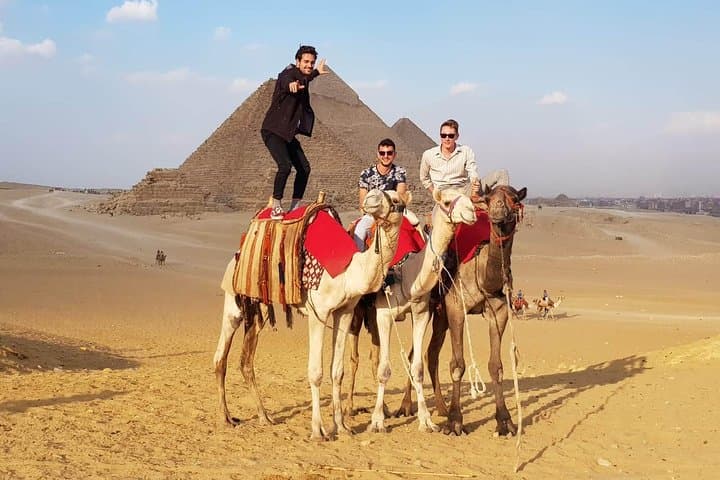
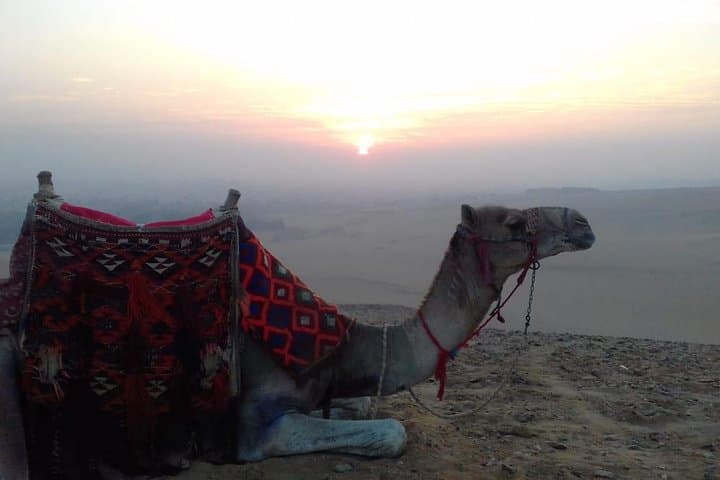
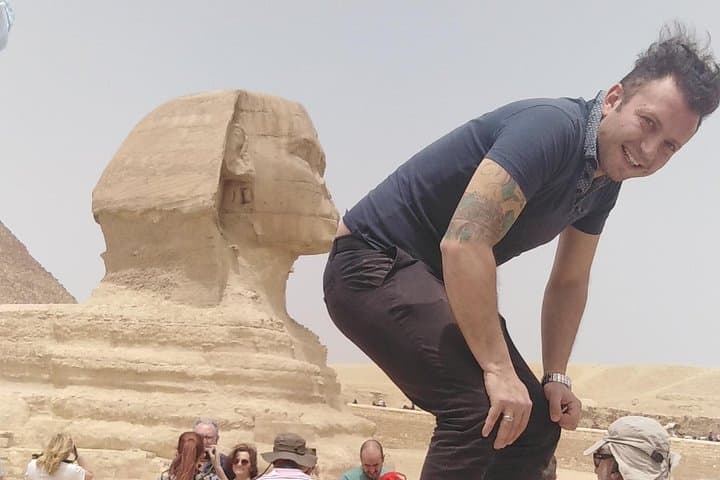
The last light spills across the plateau and the Pyramids cut long, precise shadows into the sand. You move closer than the usual overlook — footsteps crunch on packed limestone, a camel sways beneath you, and the desert wind seems to push the horizon a degree further each minute. The sunset point near the Giza complex makes the ancient stones read like a map of human ambition against the sky.
The last light spills across the plateau and the Pyramids cut long, precise shadows into the sand. You move closer than the usual overlook — footsteps crunch on packed limestone, a camel sways beneath you, and the desert wind seems to push the horizon a degree further each minute. The sunset point near the Giza complex makes the ancient stones read like a map of human ambition against the sky.
These monuments date to Egypt’s Old Kingdom (c. 26th century BCE), formed from local Tura limestone and quarried blocks hauled into place over generations. The plateau’s geology is flat and rocky, punctuated by sand drifts; the area’s Bedouin communities have long guided travelers here and introduced the ritual of strong, sweet tea after a long day outdoors.
On this private, short-format tour expect a close perimeter approach to the pyramids, optional paid access inside specific structures, a guided camel ride to the panoramic lookout, and a seated moment with traditional Bedouin tea as the sun drops. The tour typically includes air-conditioned transfers and bottled water but not internal pyramid admission fees.
Practical notes: wear sturdy, closed shoes for uneven limestone and loose sand; carry sun protection and a light layer for cooling dusk breezes; allow extra time if you plan to enter a pyramid — ticket lines and security checks vary. Respect site rules and local guides, and bring cash for optional tips and entry fees. Sunset timing gives the best color and cooler temperatures, but the desert can be windy; a lightweight scarf serves both sun and sand.