THE ADVENTURE COLLECTIVE® · Independent discovery and booking for outdoor travel

Ride a horse-drawn carriage or opt for a camel at sunrise or sunset on the Giza Plateau, where close-up views of the Great Pyramid meet compacted desert tracks. Practical details on timing, what’s included, and how to prepare keep the experience smooth and memorable.
Ride a horse-drawn carriage or opt for a camel at sunrise or sunset on the Giza Plateau, where close-up views of the Great Pyramid meet compacted desert tracks. Practical details on timing, what’s included, and how to prepare keep the experience smooth and memorable.
You step off the air-conditioned van and the desert breathes hot and dry, the sun either soft at dawn or golden and heavy at dusk. A wooden carriage waits, horses shifting their weight, and the Great Pyramid looms at the edge of the plateau — the desert pressing you toward the stones and the sky.
Verified experiences and guided adventures in the surrounding area.
Operated by Sun Pyramids Tours · Giza, Giza Governorate
You step off the air-conditioned van and the desert breathes hot and dry, the sun either soft at dawn or golden and heavy at dusk. A wooden carriage waits, horses shifting their weight, and the Great Pyramid looms at the edge of the plateau — the desert pressing you toward the stones and the sky.
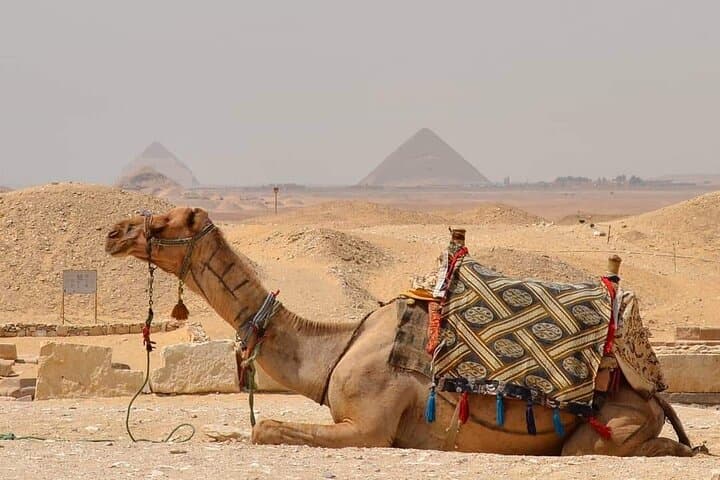
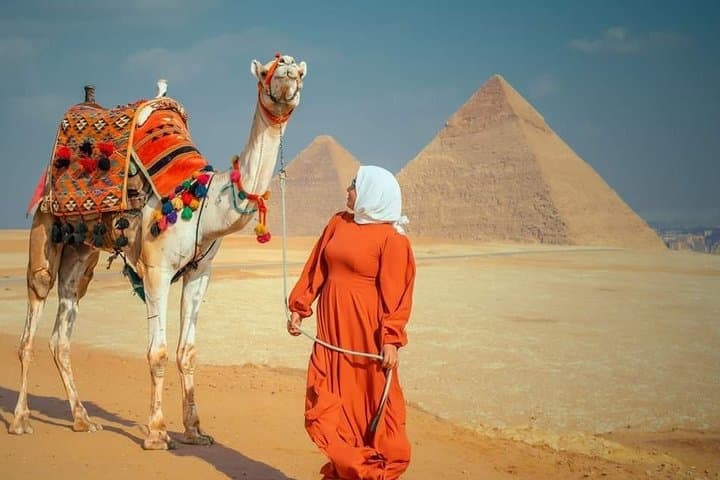
This stretch of the Giza Plateau is more than a photo backdrop: it sits on limestone beds laid down in the Late Cretaceous and has been a focus of human ceremony and engineering for nearly 5,000 years. Local camel and horse handlers carry traditions of Bedouin horsemanship and tourist guiding; bargaining and polite ritual are part of the exchange. The carriage route offers low, rolling dunes, compacted desert track, and close-up angles of the pyramids and Sphinx without a strenuous trek.
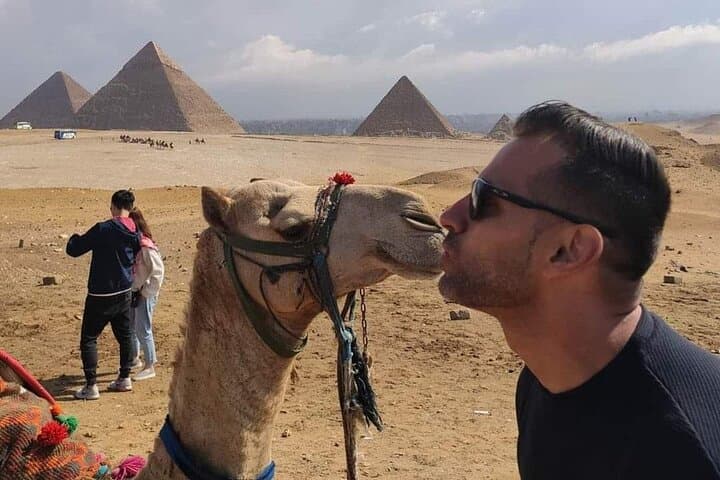
Expect one hour in the saddle or carriage with additional time for hotel transfers — total tour windows often run around three to four hours including pickup. Animals may be available for 30-minute add‑ons at posted rates; confirm pricing and inclusions before departure. Photography is constant work: aim for silhouettes at sunrise and warm light at sunset.
Practical guidance: wear closed-toe shoes, sun protection, and a light scarf for wind-driven sand. Hydrate before you arrive; bottled water is usually provided. Clarify meeting points for private pickup and plan extra time for traffic in greater Cairo. Respect handlers and animals — a calm rider keeps the procession steady and the moment memorable.
easy.
3–4 hours (includes transfers; 1 hour ride).
Suitable for most fitness levels; ability to mount a carriage or horse recommended
The tour typically includes a 1-hour carriage or guided transfer; 30-minute camel or horse rides are often available for an additional fee—confirm price before booking.
Yes—private transfers by air-conditioned vehicle are generally included; confirm your exact pickup point and time during booking.
The experience is classified as easy and suitable for most fitness levels; handlers can assist mounting, but guests with mobility limits should request specifics before booking.
Tipping is customary; a small cash tip to the handler (a few dollars equivalent) is appreciated, especially if they assist with photos or extra time.
The Giza Plateau holds monuments from Egypt’s Fourth Dynasty; the pyramids and surrounding necropolis were part of an integrated funerary landscape for pharaohs around 2575–2465 BCE.
Operators should minimize off-track driving to protect fragile desert crust and avoid leaving litter; support guides who follow local animal welfare practices.
Sun Pyramids Tours operates guided outdoor trips and adventures with an emphasis on safety, stewardship, and memorable experiences.
You step off the air-conditioned van and the desert breathes hot and dry, the sun either soft at dawn or golden and heavy at dusk. A wooden carriage waits, horses shifting their weight, and the Great Pyramid looms at the edge of the plateau — the desert pressing you toward the stones and the sky.
You step off the air-conditioned van and the desert breathes hot and dry, the sun either soft at dawn or golden and heavy at dusk. A wooden carriage waits, horses shifting their weight, and the Great Pyramid looms at the edge of the plateau — the desert pressing you toward the stones and the sky.
This stretch of the Giza Plateau is more than a photo backdrop: it sits on limestone beds laid down in the Late Cretaceous and has been a focus of human ceremony and engineering for nearly 5,000 years. Local camel and horse handlers carry traditions of Bedouin horsemanship and tourist guiding; bargaining and polite ritual are part of the exchange. The carriage route offers low, rolling dunes, compacted desert track, and close-up angles of the pyramids and Sphinx without a strenuous trek.
Expect one hour in the saddle or carriage with additional time for hotel transfers — total tour windows often run around three to four hours including pickup. Animals may be available for 30-minute add‑ons at posted rates; confirm pricing and inclusions before departure. Photography is constant work: aim for silhouettes at sunrise and warm light at sunset.
Practical guidance: wear closed-toe shoes, sun protection, and a light scarf for wind-driven sand. Hydrate before you arrive; bottled water is usually provided. Clarify meeting points for private pickup and plan extra time for traffic in greater Cairo. Respect handlers and animals — a calm rider keeps the procession steady and the moment memorable.