THE ADVENTURE COLLECTIVE® · Independent discovery and booking for outdoor travel

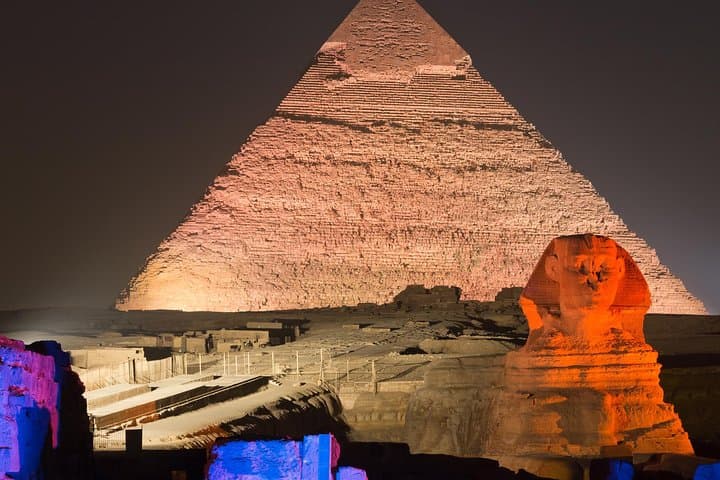
Watch the Sphinx narrate Egypt’s past as lights illuminate the Great Pyramids on the Giza Plateau. This one-hour sound-and-light performance pairs atmospheric storytelling with convenient transfers and accessible viewing.
Watch the Sphinx narrate Egypt’s past as lights illuminate the Great Pyramids on the Giza Plateau. This one-hour sound-and-light performance pairs atmospheric storytelling with convenient transfers and accessible viewing.
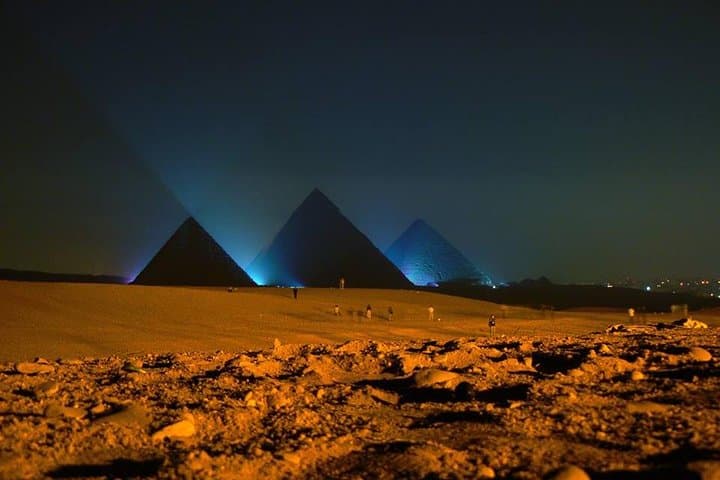
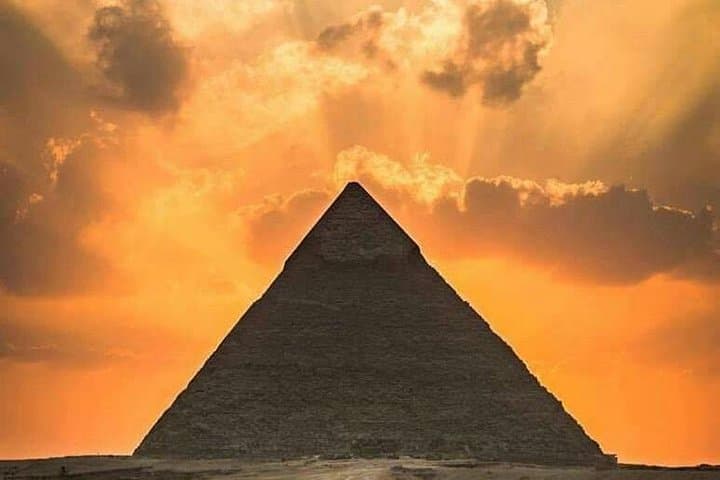
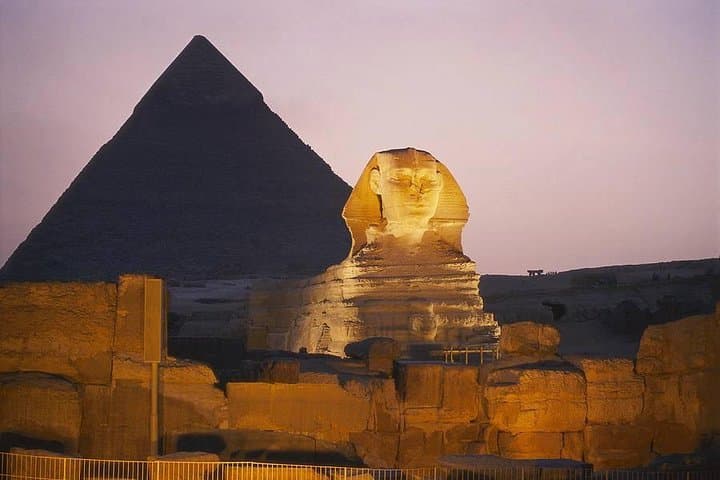
As dusk settles over the Giza Plateau, the three Great Pyramids and the Sphinx step out of the day’s heat and into sharp relief. Lights trace their angles, and the Sphinx’s voice—recorded narration—begins to tell the story of pharaohs, stones, and the Nile’s long influence, turning the desert into a stage and the monuments into living history.
Verified experiences and guided adventures in the surrounding area.
Operated by Egypt Mo Tours · Giza, Giza Governorate
As dusk settles over the Giza Plateau, the three Great Pyramids and the Sphinx step out of the day’s heat and into sharp relief. Lights trace their angles, and the Sphinx’s voice—recorded narration—begins to tell the story of pharaohs, stones, and the Nile’s long influence, turning the desert into a stage and the monuments into living history.
The show compresses millennia into a dramatic hour: Khufu’s limestone blocks hewn from nearby quarries, the plateau’s geology of Eocene limestone and sand, and the Sphinx carved from the bedrock that still faces the desert. Local guides often weave in context about the Old Kingdom workforce, the Solar Boat Museum nearby, and Cairo’s millennia-long relationship with the plateau.
Practicalities are straightforward. The experience lasts about 60 minutes with round-trip transfers offered from central hotels; mobile tickets are accepted. Dress smart casual — evenings can cool quickly even after hot days — and leave room for security screening at the plateau. Photography is welcome but respect restricted zones; climbing or touching the monuments is forbidden and enforced.
Accessibility is good for visitors with limited mobility: the transfer and viewing areas accommodate wheelchairs, though surfaces are uneven in places. Arrive early to secure a better vantage and combine the show with a sunset photo stop if your schedule allows. Hydrate before you go and plan transport back to your hotel — your operator typically handles pickup and drop-off. The sound-and-light format is theatrical rather than academic: it’s a sensory primer on Egypt’s ancient power, excellent as an introduction or a memorable nightcap to a Cairo visit.
easy.
1–2 hours.
Suitable for all fitness levels; minimal walking from drop-off to viewing areas but expect uneven ground.
Most operators include round-trip transfers from central Cairo or Giza hotels; pickup details are confirmed at booking.
Yes; transfers and main viewing areas accommodate wheelchairs, though some surfaces are uneven—notify the operator of needs in advance.
Photography is allowed, but tripods and professional lighting are usually prohibited; follow staff directions for restricted zones.
No—climbing or touching the monuments is prohibited to protect the structures and is enforced by site authorities.
The Giza complex dates to the Old Kingdom (~4,500 years ago); the Sphinx and the pyramids were built from local limestone and served funerary and ceremonial purposes.
Preservation is a priority—visitors should stick to designated paths, avoid touching stonework, and follow staff instructions to minimize wear and support long-term conservation.
Egypt Mo Tours operates guided outdoor trips and adventures with an emphasis on safety, stewardship, and memorable experiences.
As dusk settles over the Giza Plateau, the three Great Pyramids and the Sphinx step out of the day’s heat and into sharp relief. Lights trace their angles, and the Sphinx’s voice—recorded narration—begins to tell the story of pharaohs, stones, and the Nile’s long influence, turning the desert into a stage and the monuments into living history.
As dusk settles over the Giza Plateau, the three Great Pyramids and the Sphinx step out of the day’s heat and into sharp relief. Lights trace their angles, and the Sphinx’s voice—recorded narration—begins to tell the story of pharaohs, stones, and the Nile’s long influence, turning the desert into a stage and the monuments into living history.
The show compresses millennia into a dramatic hour: Khufu’s limestone blocks hewn from nearby quarries, the plateau’s geology of Eocene limestone and sand, and the Sphinx carved from the bedrock that still faces the desert. Local guides often weave in context about the Old Kingdom workforce, the Solar Boat Museum nearby, and Cairo’s millennia-long relationship with the plateau.
Practicalities are straightforward. The experience lasts about 60 minutes with round-trip transfers offered from central hotels; mobile tickets are accepted. Dress smart casual — evenings can cool quickly even after hot days — and leave room for security screening at the plateau. Photography is welcome but respect restricted zones; climbing or touching the monuments is forbidden and enforced.
Accessibility is good for visitors with limited mobility: the transfer and viewing areas accommodate wheelchairs, though surfaces are uneven in places. Arrive early to secure a better vantage and combine the show with a sunset photo stop if your schedule allows. Hydrate before you go and plan transport back to your hotel — your operator typically handles pickup and drop-off. The sound-and-light format is theatrical rather than academic: it’s a sensory primer on Egypt’s ancient power, excellent as an introduction or a memorable nightcap to a Cairo visit.