THE ADVENTURE COLLECTIVE® · Independent discovery and booking for outdoor travel

A private full-day tour ties the Great Pyramids, the Sphinx, ancient Memphis and Saqqara into one tightly paced itinerary. Expect long walks on rough stone, expertly guided history, and practical tips for beating the heat and crowds.
A private full-day tour ties the Great Pyramids, the Sphinx, ancient Memphis and Saqqara into one tightly paced itinerary. Expect long walks on rough stone, expertly guided history, and practical tips for beating the heat and crowds.
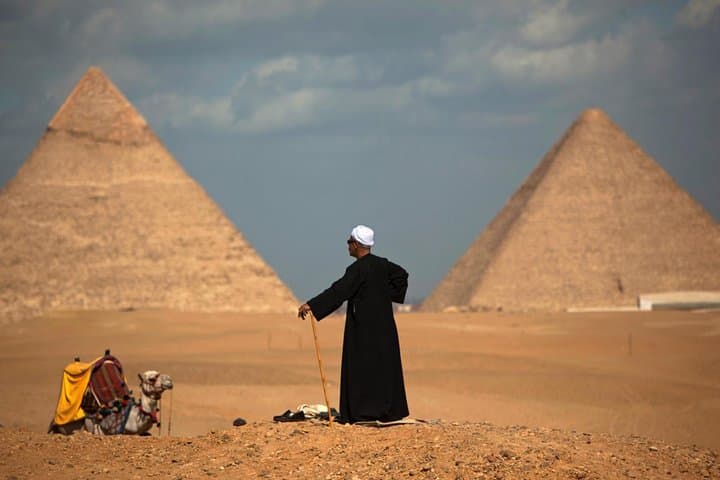
Morning light spills across a flat, ochre plain as a private vehicle eases onto the Giza Plateau. Visitors step down from air-conditioned comfort into a wind that has moved sand along these stones for millennia; the pyramids loom, geometrical and indifferent, daring you to walk their base.
Verified experiences and guided adventures in the surrounding area.
Operated by EMO TOURS EGYPT · Giza, Giza Governorate
Morning light spills across a flat, ochre plain as a private vehicle eases onto the Giza Plateau. Visitors step down from air-conditioned comfort into a wind that has moved sand along these stones for millennia; the pyramids loom, geometrical and indifferent, daring you to walk their base.
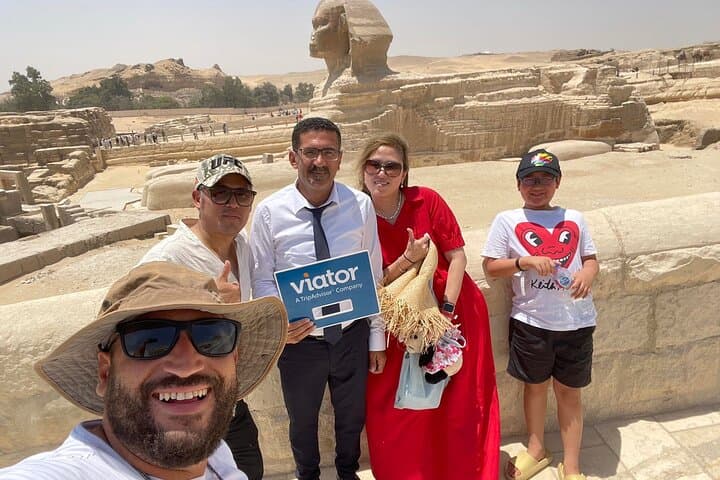
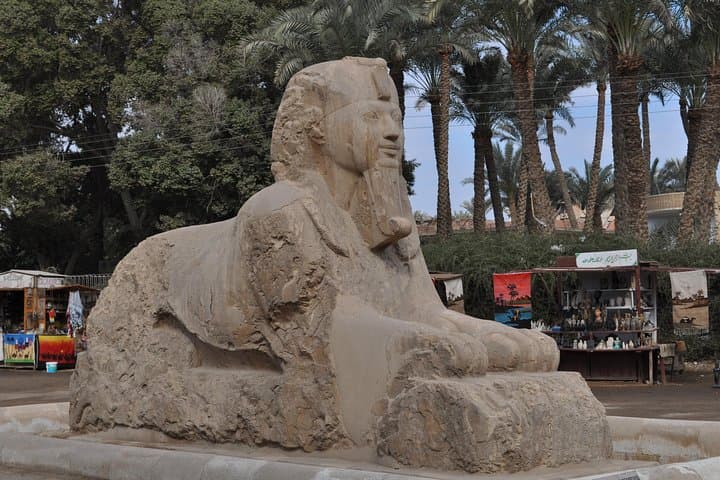
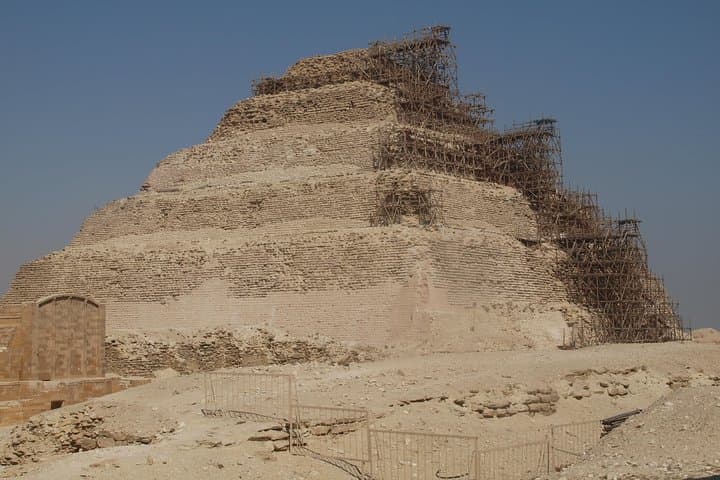
This full-day route links monuments of different chapters in Egypt’s Old Kingdom story: the fourth-dynasty pyramids of Khufu, Khafre and Menkaure at Giza; the reclining Great Sphinx; the ruined capital of Memphis with its colossal Ramesses II fragments; and Saqqara, home to Djoser’s step pyramid — the architectural experiment that began pyramid building. Geology here is simple and stark: Tura limestone beds form the plateau, quarried and reused for millennia, while desert wind and Nile-fed settlement shaped the human story.
Culturally, expect persistent local commerce—papyrus painters, perfumers and carpet workshops that grew around tourism. Guides translate inscriptions into narratives; their voices bridge modern Cairo and pharaonic administration.
Practical guidance is straightforward. Tours run 8–10 hours with multiple short stops and walking on uneven stone and sand. Bring sturdy, closed-toe shoes, sun protection and a refillable water bottle. Plan visits early in the day to avoid peak heat and the largest crowds; photography rules and restricted interior access vary by monument, so follow your guide’s instructions.
Respect the sites: avoid touching fragile reliefs, stay on designated paths and use official viewpoints for panoramas. A private tour buys flexibility — time at key spots, minimal waiting and hotel pickup — turning a dense cultural itinerary into a manageable, instructive day.
easy.
8–10 hours.
Suitable for most fitness levels; be prepared for multiple short walks on uneven ground and standing during explanations.
Yes — this private tour includes basic entry fees for the listed sites; certain special-access areas may require extra tickets.
Interior access is limited and can be subject to daily quotas; the tour typically covers exterior and official viewpoints unless interior tickets are secured.
Tipping is customary in Egypt; consider modest tips for both guide and driver if service meets expectations.
The trip is family-friendly but involves uneven terrain and some short climbs; it’s not recommended for those with serious spinal or mobility limitations.
Giza’s great pyramids date to the Fourth Dynasty (c. 2600–2500 BC) while Saqqara’s Step Pyramid of Djoser predates them and represents an early stone monumental phase.
Heavy visitation accelerates wear; follow site rules, avoid touching reliefs and support licensed local vendors so tourism revenue aids preservation.
EMO TOURS EGYPT operates guided outdoor trips and adventures with an emphasis on safety, stewardship, and memorable experiences.
Morning light spills across a flat, ochre plain as a private vehicle eases onto the Giza Plateau. Visitors step down from air-conditioned comfort into a wind that has moved sand along these stones for millennia; the pyramids loom, geometrical and indifferent, daring you to walk their base.
Morning light spills across a flat, ochre plain as a private vehicle eases onto the Giza Plateau. Visitors step down from air-conditioned comfort into a wind that has moved sand along these stones for millennia; the pyramids loom, geometrical and indifferent, daring you to walk their base.
This full-day route links monuments of different chapters in Egypt’s Old Kingdom story: the fourth-dynasty pyramids of Khufu, Khafre and Menkaure at Giza; the reclining Great Sphinx; the ruined capital of Memphis with its colossal Ramesses II fragments; and Saqqara, home to Djoser’s step pyramid — the architectural experiment that began pyramid building. Geology here is simple and stark: Tura limestone beds form the plateau, quarried and reused for millennia, while desert wind and Nile-fed settlement shaped the human story.
Culturally, expect persistent local commerce—papyrus painters, perfumers and carpet workshops that grew around tourism. Guides translate inscriptions into narratives; their voices bridge modern Cairo and pharaonic administration.
Practical guidance is straightforward. Tours run 8–10 hours with multiple short stops and walking on uneven stone and sand. Bring sturdy, closed-toe shoes, sun protection and a refillable water bottle. Plan visits early in the day to avoid peak heat and the largest crowds; photography rules and restricted interior access vary by monument, so follow your guide’s instructions.
Respect the sites: avoid touching fragile reliefs, stay on designated paths and use official viewpoints for panoramas. A private tour buys flexibility — time at key spots, minimal waiting and hotel pickup — turning a dense cultural itinerary into a manageable, instructive day.