THE ADVENTURE COLLECTIVE® · Independent discovery and booking for outdoor travel

See the Great Pyramids, Sphinx, Saqqara’s Step Pyramid and Dahshur’s Red and Bent Pyramids in a single, full-day private tour from Cairo. Expect 7–9 hours, uneven terrain, optional pyramid entry and a hands-on papyrus demonstration.
See the Great Pyramids, Sphinx, Saqqara’s Step Pyramid and Dahshur’s Red and Bent Pyramids in a single, full-day private tour from Cairo. Expect 7–9 hours, uneven terrain, optional pyramid entry and a hands-on papyrus demonstration.
You step out of the van into dry heat and sand-sunglight, the three Great Pyramids rising like engineered mountains against the Cairo skyline. Wind lifts fine grit across the plateau while the Sphinx watches, still half-stone, half-story. This is a day of scale: stone blocks, funerary boats, stepped tombs and the odd bustle of vendors and camel handlers threading the margins.
Verified experiences and guided adventures in the surrounding area.
Operated by Al Ragaa Tours · Giza, Cairo Governorate
You step out of the van into dry heat and sand-sunglight, the three Great Pyramids rising like engineered mountains against the Cairo skyline. Wind lifts fine grit across the plateau while the Sphinx watches, still half-stone, half-story. This is a day of scale: stone blocks, funerary boats, stepped tombs and the odd bustle of vendors and camel handlers threading the margins.
The route threads three eras of the Old Kingdom and its builders. At Giza you’ll learn about Khufu, Khafre and Menkaure and see the Solar Boat Museum that preserves ritual craftwork from a deceased king’s voyage. Saqqara takes you earlier — the Step Pyramid of Djoser marks a leap in masonry and funerary planning circa 2650 BCE. Dahshur’s Red and Bent Pyramids reveal experimentation: angle shifts and design risks taken by Snefru that shaped later imperial architecture.
Local culture appears in small moments: papyrus-making demonstrations, lunch at a family-run restaurant, and interactions with licensed guides who explain hieroglyphs and burial practices. Geology is obvious underfoot — wind-polished limestone and desert pavements that hold the dry history of the Nile’s shifting reach.
Practical guidance: expect a long 7–9 hour day with significant walking on uneven, sandy terrain; bring sun protection, comfortable shoes, and cash for onsite entrance fees and optional extras (pyramid entry, camel rides). Start early to avoid midday heat, carry water, and follow your guide’s route to reduce time in crowds. The tour is ideal for first-time visitors seeking a concentrated, contextual introduction to Egypt’s major necropolises.
easy.
7–9 hours.
Suitable for most travelers able to stand and walk short distances; expect several hours on your feet and some uneven ground.
Most standard entrance fees are not included; pyramid interior entry and some site-specific tickets are usually paid on site or as an upgrade.
Yes, but interior access is optional, limited, and typically requires an extra ticket and may not be permitted for some visitors due to space or health restrictions.
Accessibility is limited — uneven sand and steps make many areas difficult for wheelchairs; contact the operator in advance for specific arrangements.
Tipping is customary; budget a small daily amount for your guide and driver, and tip locally after services rendered.
The Giza monuments date to the 4th Dynasty (c. 2600–2500 BCE); Dahshur’s Bent and Red Pyramids were built under Snefru and show the evolution of pyramid construction that culminated at Giza.
Heavy visitation strains fragile stone and onsite ecosystems; stay on designated paths, avoid touching carved surfaces and support licensed local guides and businesses to help fund preservation.
Al Ragaa Tours operates guided outdoor trips and adventures with an emphasis on safety, stewardship, and memorable experiences.
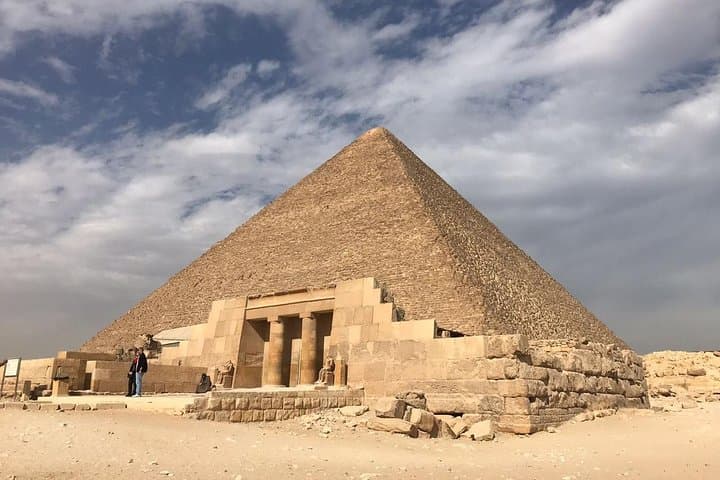
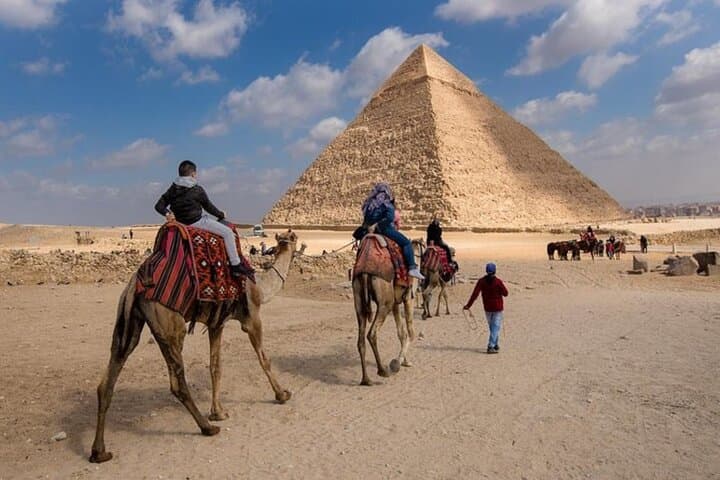
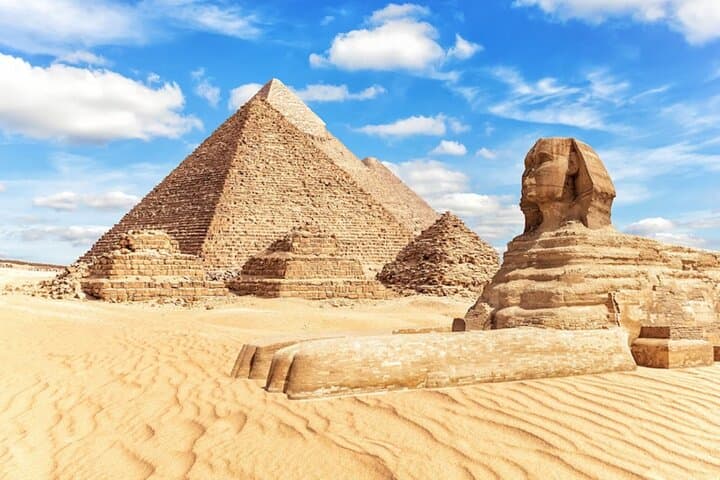
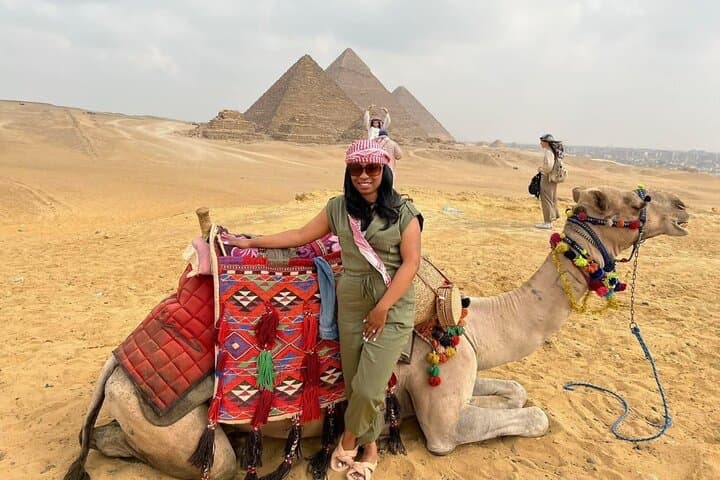
You step out of the van into dry heat and sand-sunglight, the three Great Pyramids rising like engineered mountains against the Cairo skyline. Wind lifts fine grit across the plateau while the Sphinx watches, still half-stone, half-story. This is a day of scale: stone blocks, funerary boats, stepped tombs and the odd bustle of vendors and camel handlers threading the margins.
You step out of the van into dry heat and sand-sunglight, the three Great Pyramids rising like engineered mountains against the Cairo skyline. Wind lifts fine grit across the plateau while the Sphinx watches, still half-stone, half-story. This is a day of scale: stone blocks, funerary boats, stepped tombs and the odd bustle of vendors and camel handlers threading the margins.
The route threads three eras of the Old Kingdom and its builders. At Giza you’ll learn about Khufu, Khafre and Menkaure and see the Solar Boat Museum that preserves ritual craftwork from a deceased king’s voyage. Saqqara takes you earlier — the Step Pyramid of Djoser marks a leap in masonry and funerary planning circa 2650 BCE. Dahshur’s Red and Bent Pyramids reveal experimentation: angle shifts and design risks taken by Snefru that shaped later imperial architecture.
Local culture appears in small moments: papyrus-making demonstrations, lunch at a family-run restaurant, and interactions with licensed guides who explain hieroglyphs and burial practices. Geology is obvious underfoot — wind-polished limestone and desert pavements that hold the dry history of the Nile’s shifting reach.
Practical guidance: expect a long 7–9 hour day with significant walking on uneven, sandy terrain; bring sun protection, comfortable shoes, and cash for onsite entrance fees and optional extras (pyramid entry, camel rides). Start early to avoid midday heat, carry water, and follow your guide’s route to reduce time in crowds. The tour is ideal for first-time visitors seeking a concentrated, contextual introduction to Egypt’s major necropolises.