THE ADVENTURE COLLECTIVE® · Independent discovery and booking for outdoor travel

Skip the logistics and spend a private half-day at the Giza plateau with an Egyptologist, camel ride, and close-up views of Khufu, Khafre and Menkaure. Practical tips on timing, terrain, and what to bring for a comfortable visit.
Skip the logistics and spend a private half-day at the Giza plateau with an Egyptologist, camel ride, and close-up views of Khufu, Khafre and Menkaure. Practical tips on timing, terrain, and what to bring for a comfortable visit.
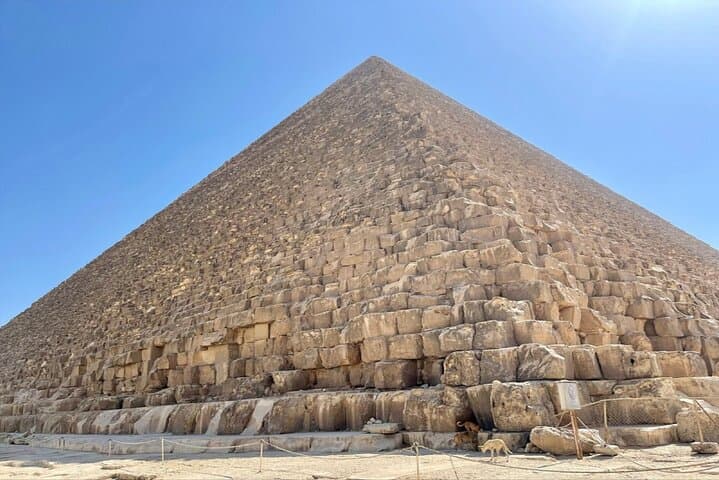
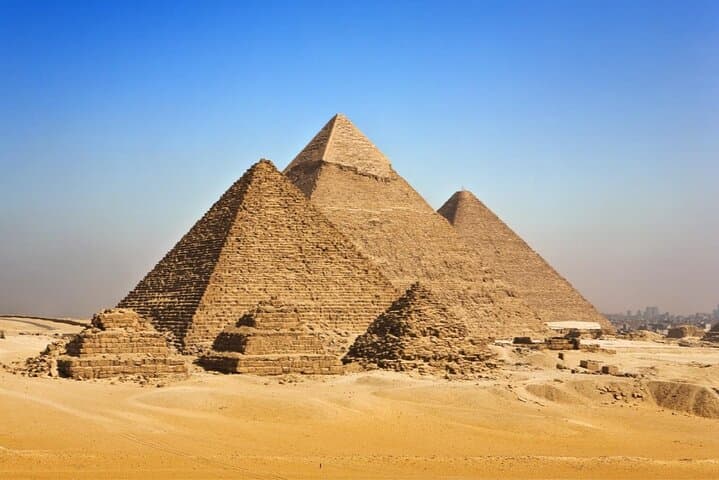
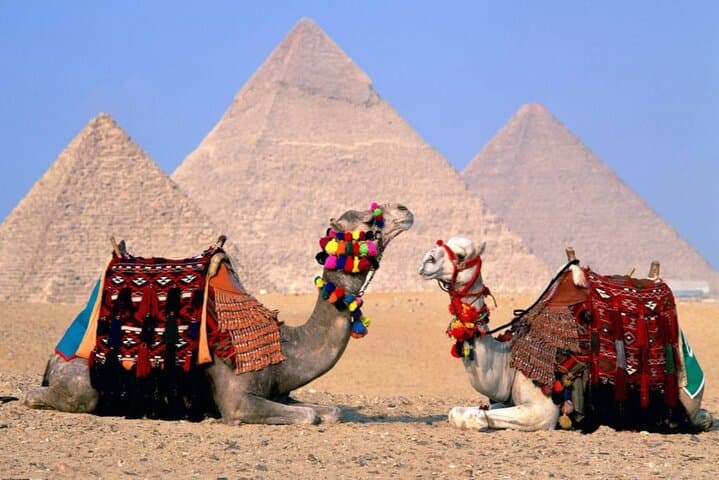
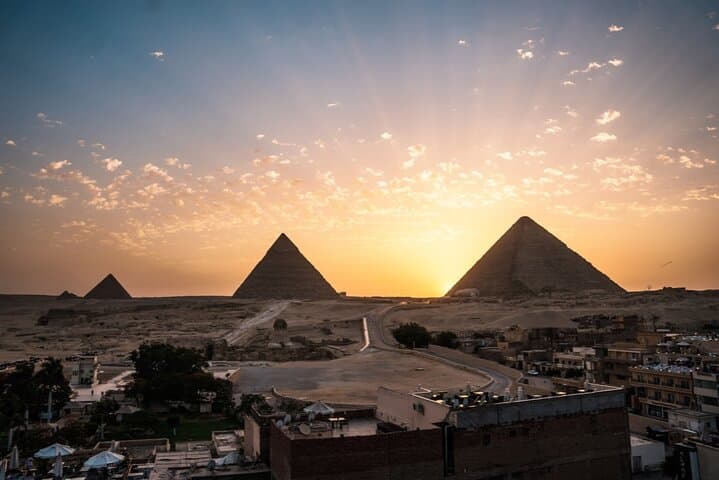
You arrive onto the limestone plateau as wind scours the sand; the three pyramids sit like geometric mountains against Cairo's hazy skyline. The guide — an Egyptologist — points out the acute edges of Khufu, the angled cap of Khafre, and the smaller Menkaure, then leads you toward a line of camels waiting to carry you across the hard-packed desert.
Verified experiences and guided adventures in the surrounding area.
Operated by Egypt Best Day Tours · Giza, Giza Governorate
You arrive onto the limestone plateau as wind scours the sand; the three pyramids sit like geometric mountains against Cairo's hazy skyline. The guide — an Egyptologist — points out the acute edges of Khufu, the angled cap of Khafre, and the smaller Menkaure, then leads you toward a line of camels waiting to carry you across the hard-packed desert.
These structures date to Egypt’s Fourth Dynasty, roughly 4,500 years ago, and were engineered as monumental tombs for pharaohs and their retinues. Geologically, the plateau is a raised bed of Eocene limestone, quarried and dressed by ancient hands that shaped millions of casing stones now weathered away. Culturally, Giza has long been a crossroads where Bedouin camel drivers, local vendors, and international scholars meet; your Egyptologist will translate inscriptions, explain funerary practices, and place the Sphinx — carved from the bedrock — into its ritual landscape.
Practical guidance: expect soft sand underfoot and uneven stone surfaces; wear sturdy closed shoes and sun protection. Keep water close — temperatures can spike quickly — and schedule visits early morning or late afternoon to avoid the strongest sun and daytime crowds. Photography is unrestricted in open areas, but entry into chambers usually requires separate tickets and limited time. Respect roped-off zones and avoid touching ancient masonry to help conserve the site. The private transfer included simplifies logistics; bring a light layer for cooler desert evenings and confirm pickup details in advance.
easy.
3–4 hours.
Light walking on flat to uneven desert and stone surfaces; suitable for most fitness levels.
No; access inside pyramids often requires separate tickets and is subject to site rules and limited entry times.
The included camel ride is approximately 30 minutes and generally follows a guided loop around the plateau.
Yes—infants must sit on an adult’s lap and the tour is described as physically easy, but check camel operators for age or weight restrictions.
Tipping is customary in Egypt; budget separately for your Egyptologist guide and the camel handler depending on service.
The Giza necropolis was constructed in the Fourth Dynasty (c. 2600–2500 BCE) as royal funerary complexes for pharaohs Khufu, Khafre and Menkaure.
Visitor impact is managed through roped zones and ticketing—avoid touching masonry, use marked paths, and support licensed guides to reduce wear on archaeological features.
Egypt Best Day Tours operates guided outdoor trips and adventures with an emphasis on safety, stewardship, and memorable experiences.
You arrive onto the limestone plateau as wind scours the sand; the three pyramids sit like geometric mountains against Cairo's hazy skyline. The guide — an Egyptologist — points out the acute edges of Khufu, the angled cap of Khafre, and the smaller Menkaure, then leads you toward a line of camels waiting to carry you across the hard-packed desert.
You arrive onto the limestone plateau as wind scours the sand; the three pyramids sit like geometric mountains against Cairo's hazy skyline. The guide — an Egyptologist — points out the acute edges of Khufu, the angled cap of Khafre, and the smaller Menkaure, then leads you toward a line of camels waiting to carry you across the hard-packed desert.
These structures date to Egypt’s Fourth Dynasty, roughly 4,500 years ago, and were engineered as monumental tombs for pharaohs and their retinues. Geologically, the plateau is a raised bed of Eocene limestone, quarried and dressed by ancient hands that shaped millions of casing stones now weathered away. Culturally, Giza has long been a crossroads where Bedouin camel drivers, local vendors, and international scholars meet; your Egyptologist will translate inscriptions, explain funerary practices, and place the Sphinx — carved from the bedrock — into its ritual landscape.
Practical guidance: expect soft sand underfoot and uneven stone surfaces; wear sturdy closed shoes and sun protection. Keep water close — temperatures can spike quickly — and schedule visits early morning or late afternoon to avoid the strongest sun and daytime crowds. Photography is unrestricted in open areas, but entry into chambers usually requires separate tickets and limited time. Respect roped-off zones and avoid touching ancient masonry to help conserve the site. The private transfer included simplifies logistics; bring a light layer for cooler desert evenings and confirm pickup details in advance.