THE ADVENTURE COLLECTIVE® · Independent discovery and booking for outdoor travel

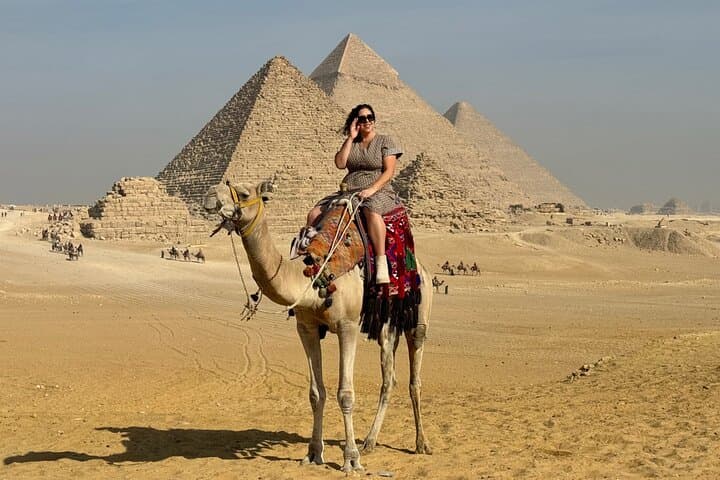
Capture iconic shots of the Giza Pyramids and the Sphinx on a private, three-hour tour that pairs licensed-guide history with an on-the-move mobile photoshoot. Expect panorama viewpoints, optional camel or horse photos, and practical tips for shooting with your smartphone.
Capture iconic shots of the Giza Pyramids and the Sphinx on a private, three-hour tour that pairs licensed-guide history with an on-the-move mobile photoshoot. Expect panorama viewpoints, optional camel or horse photos, and practical tips for shooting with your smartphone.
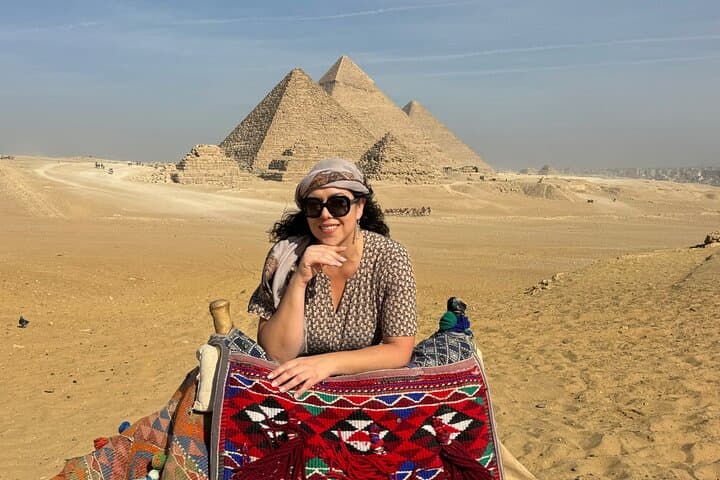
You step out of a cool minivan into dust-soft light and the massive silhouettes of stone rising off the Giza Plateau. The air smells faintly of dust and frying falafel; the horizon is a serrated line of ancient angles and modern Cairo beyond. Your guide points to Panorama Point — the first frame for your mobile photoshoot — while camels shift, patient and photogenic, at the ready.
Verified experiences and guided adventures in the surrounding area.
Operated by Egypt Discovery Tours · Giza, Giza Governorate
You step out of a cool minivan into dust-soft light and the massive silhouettes of stone rising off the Giza Plateau. The air smells faintly of dust and frying falafel; the horizon is a serrated line of ancient angles and modern Cairo beyond. Your guide points to Panorama Point — the first frame for your mobile photoshoot — while camels shift, patient and photogenic, at the ready.
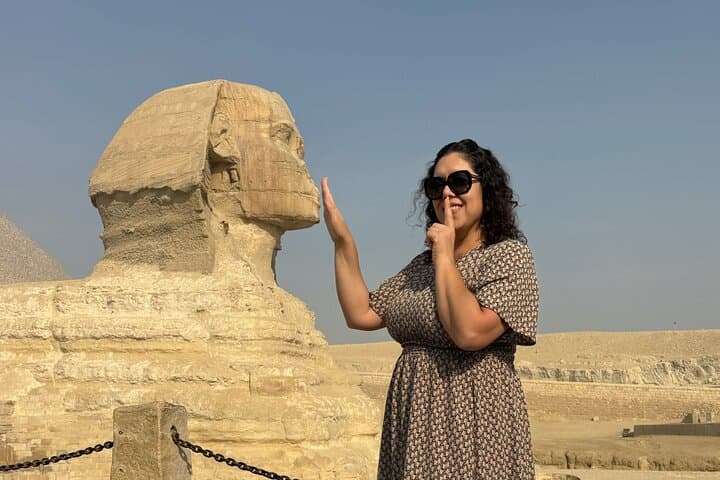
The plateau sits on Eocene limestone; the Great Pyramid of Khufu (Fourth Dynasty, c. 2560 BCE) and nearby Khafre and Menkaure anchor Egypt’s most visible record of Old Kingdom engineering. The Sphinx, carved from a natural limestone outcrop, presides over the complex with weathered features that hint at millennia of erosion and human reverence.
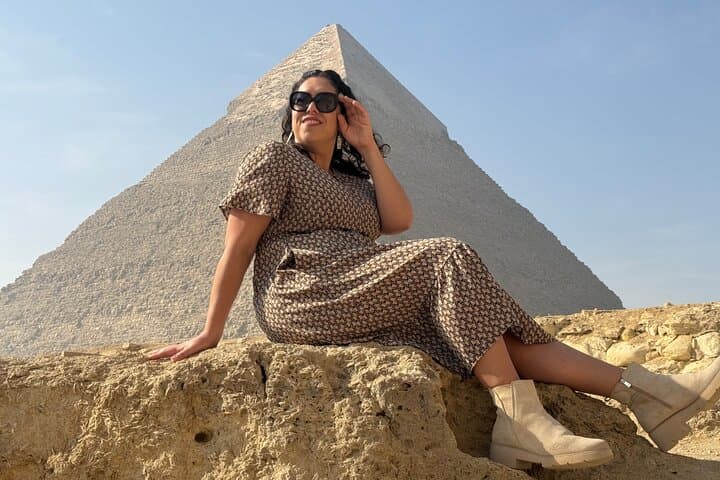
Local culture is tactile: vendors offer papyrus prints, camel handlers position mounts for portraits, and street cats thread between tomb-shaped shadows. Expect helpful historical context from a licensed guide, plus hands-on tips to use sunlight, shadows, and scale for striking smartphone images.
Practical guidance: the three-hour private tour mixes short walks across uneven ground, electric-shuttle transfers, and optional camel or horse photos. Bring a power bank, sun protection, closed-toe shoes, and a lightweight scarf for dust and photography contrast. Entry fees and optional extras (some photography setups, camel rides) may be separate.
Timing matters — early morning or late afternoon gives the best light and cooler temperatures. Respect signage and staff: climbing monuments is illegal and damages fragile stone. With thoughtful pacing and a few simple tools, you’ll leave with sharp images and a clearer sense of how these enormous structures still shape the Egyptian skyline.
easy.
3 hours.
Light walking with short stretches over uneven ground; suitable for most fitness levels
Entry fees are optional and may not be included in the tour price—confirm with your operator before booking.
No, camel or horse photos are optional extras; handlers typically charge separately for rides or posed photos.
Yes—this private, easy-paced tour accommodates most ages, but participants should be able to walk short distances on uneven ground.
Mobile photoshoots focus on smartphone photography; DSLR use and tripods may be allowed but check with the operator in advance for logistics and site rules.
The Giza complex dates to Egypt’s Old Kingdom; Khufu’s Great Pyramid is the largest and the product of centralized royal resources and labor management around 2560 BCE.
The site is protected, but foot traffic, souvenir vendors, and unauthorized climbing stress fragile stone—follow paths, heed staff, and avoid touching carved surfaces.
Egypt Discovery Tours operates guided outdoor trips and adventures with an emphasis on safety, stewardship, and memorable experiences.
You step out of a cool minivan into dust-soft light and the massive silhouettes of stone rising off the Giza Plateau. The air smells faintly of dust and frying falafel; the horizon is a serrated line of ancient angles and modern Cairo beyond. Your guide points to Panorama Point — the first frame for your mobile photoshoot — while camels shift, patient and photogenic, at the ready.
You step out of a cool minivan into dust-soft light and the massive silhouettes of stone rising off the Giza Plateau. The air smells faintly of dust and frying falafel; the horizon is a serrated line of ancient angles and modern Cairo beyond. Your guide points to Panorama Point — the first frame for your mobile photoshoot — while camels shift, patient and photogenic, at the ready.
The plateau sits on Eocene limestone; the Great Pyramid of Khufu (Fourth Dynasty, c. 2560 BCE) and nearby Khafre and Menkaure anchor Egypt’s most visible record of Old Kingdom engineering. The Sphinx, carved from a natural limestone outcrop, presides over the complex with weathered features that hint at millennia of erosion and human reverence.
Local culture is tactile: vendors offer papyrus prints, camel handlers position mounts for portraits, and street cats thread between tomb-shaped shadows. Expect helpful historical context from a licensed guide, plus hands-on tips to use sunlight, shadows, and scale for striking smartphone images.
Practical guidance: the three-hour private tour mixes short walks across uneven ground, electric-shuttle transfers, and optional camel or horse photos. Bring a power bank, sun protection, closed-toe shoes, and a lightweight scarf for dust and photography contrast. Entry fees and optional extras (some photography setups, camel rides) may be separate.
Timing matters — early morning or late afternoon gives the best light and cooler temperatures. Respect signage and staff: climbing monuments is illegal and damages fragile stone. With thoughtful pacing and a few simple tools, you’ll leave with sharp images and a clearer sense of how these enormous structures still shape the Egyptian skyline.