THE ADVENTURE COLLECTIVE® · Independent discovery and booking for outdoor travel

Stand at the feet of the Great Pyramid and the Sphinx on a private half-day tour that pairs expert Egyptology commentary with optional inside-pyramid access and a short camel ride. This practical guide explains what you’ll see, how to prepare, and key logistics to make the most of the plateau.
Stand at the feet of the Great Pyramid and the Sphinx on a private half-day tour that pairs expert Egyptology commentary with optional inside-pyramid access and a short camel ride. This practical guide explains what you’ll see, how to prepare, and key logistics to make the most of the plateau.
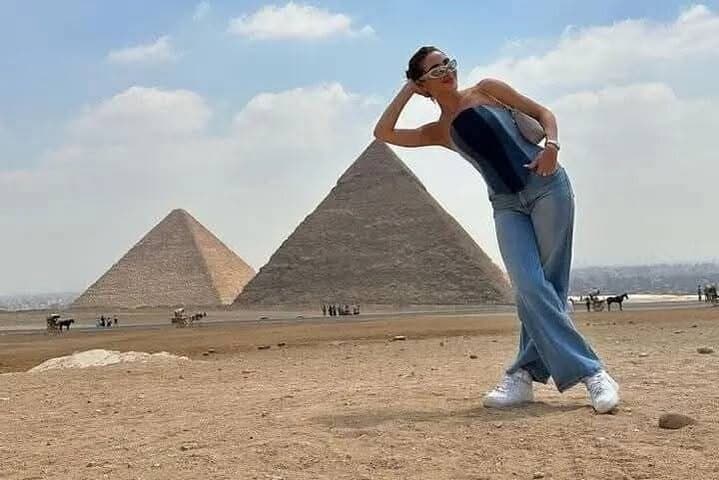
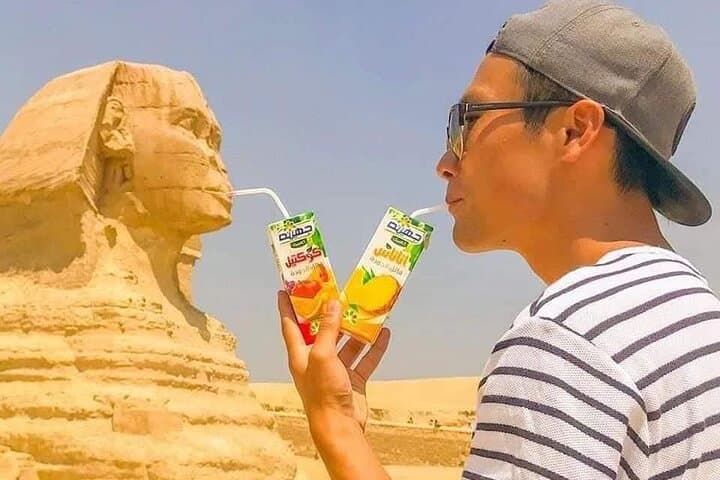
The morning light on the Giza Plateau is hard and honest; limestone faces reflect a fierce sun while wind-scoured sand gathers in the low stones. You step from an air-conditioned vehicle onto packed earth, the three great pyramids—Khufu, Khafre, Menkaure—looming like engineered mountains, and the Sphinx sits watchful, its profile cut by millennia.
Verified experiences and guided adventures in the surrounding area.
Operated by Egypt in Tours · Giza, Giza Governorate
The morning light on the Giza Plateau is hard and honest; limestone faces reflect a fierce sun while wind-scoured sand gathers in the low stones. You step from an air-conditioned vehicle onto packed earth, the three great pyramids—Khufu, Khafre, Menkaure—looming like engineered mountains, and the Sphinx sits watchful, its profile cut by millennia.
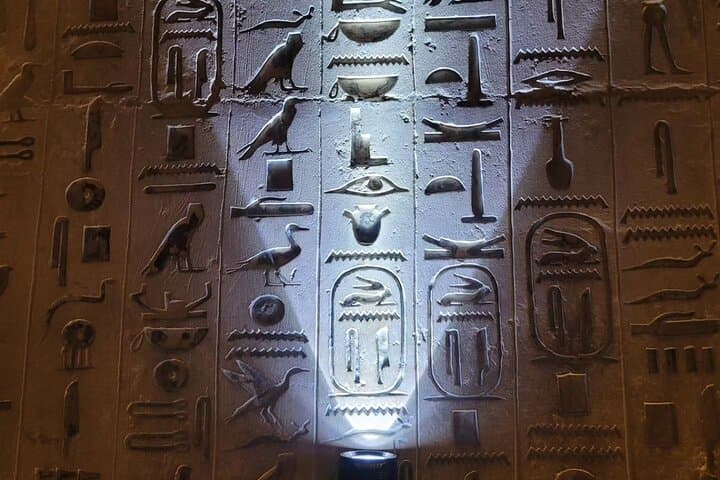
These monuments are products of Old Kingdom ambition and precise engineering: Khufu’s pyramid once rose to 146.6 m and held a casing of polished limestone; Khafre’s appears taller from its higher perch, and Menkaure’s smaller mass conceals refined mortuary work. The plateau’s geology is sedimentary limestone, prone to erosion; the stones you walk on are part artifact, part landscape. Local guides—often Egyptologists—frame the religious logic of afterlife beliefs and the logistics of moving tens of thousands of blocks without modern cranes.
Expect photo stops at the panoramic plateau, a half-hour visit at each pyramid face and a focused moment before the Sphinx. Guides can explain interior layout and history, but note: entry inside pyramids requires a separate ticket and guides generally may not enter with you.
Practical edge: bring a wide-brim hat, at least 1–2 liters of water, sturdy shoes for uneven limestone and steps, and modest clothing out of cultural respect. Mornings and late afternoons are cooler for both comfort and photography. Camel rides are optional and handled on-site—confirm price and length in advance. Keep cash for entrance fees, tips, and any extras; sunscreen and a small first-aid kit go far under this sun.
moderate.
4–5 hours.
Moderate fitness for walking on uneven terrain and climbing short rock steps; not strenuous but involves standing and walking on sand and stone.
Yes, but interior access requires a separate ticket that must be purchased either on-site or in advance; availability is limited and governed by site authorities.
Camel rides are typically optional and priced separately; confirm at booking or with your guide and agree on duration and cost before riding.
The tour involves walking on uneven limestone, short climbs, and standing; a moderate fitness level is sufficient but those with mobility issues should plan accordingly.
Light, modest clothing respectful of local customs, closed-toe shoes for rough terrain, and a hat for sun protection are recommended.
The Giza complex dates to Egypt’s Fourth Dynasty (c. 2600–2500 BCE) and represents funerary architecture built to ensure a pharaoh’s afterlife; Khufu’s pyramid dominated the skyline for nearly four millennia.
Erosion, pollution, and high visitor numbers stress the limestone and archaeological context; follow pathways, avoid touching delicate masonry, and support licensed guides to reduce informal foot traffic.
Egypt in Tours operates guided outdoor trips and adventures with an emphasis on safety, stewardship, and memorable experiences.

The morning light on the Giza Plateau is hard and honest; limestone faces reflect a fierce sun while wind-scoured sand gathers in the low stones. You step from an air-conditioned vehicle onto packed earth, the three great pyramids—Khufu, Khafre, Menkaure—looming like engineered mountains, and the Sphinx sits watchful, its profile cut by millennia.
The morning light on the Giza Plateau is hard and honest; limestone faces reflect a fierce sun while wind-scoured sand gathers in the low stones. You step from an air-conditioned vehicle onto packed earth, the three great pyramids—Khufu, Khafre, Menkaure—looming like engineered mountains, and the Sphinx sits watchful, its profile cut by millennia.
These monuments are products of Old Kingdom ambition and precise engineering: Khufu’s pyramid once rose to 146.6 m and held a casing of polished limestone; Khafre’s appears taller from its higher perch, and Menkaure’s smaller mass conceals refined mortuary work. The plateau’s geology is sedimentary limestone, prone to erosion; the stones you walk on are part artifact, part landscape. Local guides—often Egyptologists—frame the religious logic of afterlife beliefs and the logistics of moving tens of thousands of blocks without modern cranes.
Expect photo stops at the panoramic plateau, a half-hour visit at each pyramid face and a focused moment before the Sphinx. Guides can explain interior layout and history, but note: entry inside pyramids requires a separate ticket and guides generally may not enter with you.
Practical edge: bring a wide-brim hat, at least 1–2 liters of water, sturdy shoes for uneven limestone and steps, and modest clothing out of cultural respect. Mornings and late afternoons are cooler for both comfort and photography. Camel rides are optional and handled on-site—confirm price and length in advance. Keep cash for entrance fees, tips, and any extras; sunscreen and a small first-aid kit go far under this sun.