THE ADVENTURE COLLECTIVE® · Independent discovery and booking for outdoor travel

See the Great Pyramid, Sphinx, and panoramic plateau on a focused half-day tour with a camel ride and VIP lunch. Includes optional inside-pyramid entry and an Egyptologist guide to unpack the history.
See the Great Pyramid, Sphinx, and panoramic plateau on a focused half-day tour with a camel ride and VIP lunch. Includes optional inside-pyramid entry and an Egyptologist guide to unpack the history.
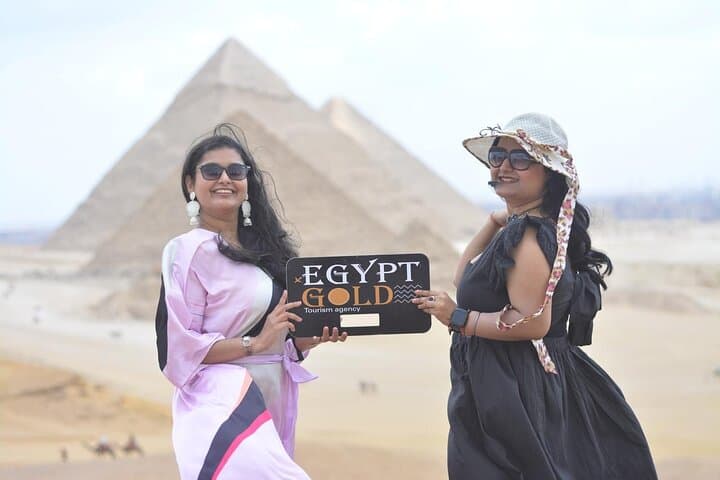
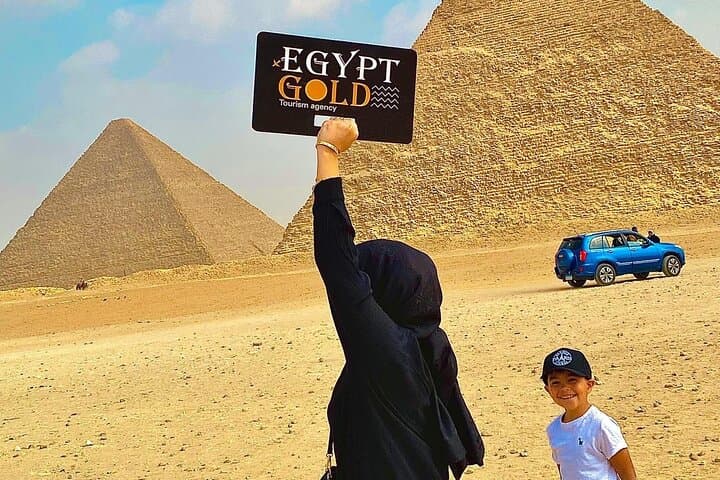
The sun hits the plateau in a hard, clear light and the pyramids cast long, geometric shadows across wind-scrubbed sand. On a half-day tour of Giza visitors move from the modern roadside bustle into a landscape shaped by four millennia of human ambition: granite casing stones gleam where they remain, camels wait patient and sure, and the Sphinx watches traffic and tourists with an indifferent stare.
Verified experiences and guided adventures in the surrounding area.
Operated by Egypt Gold · Giza, Cairo
The sun hits the plateau in a hard, clear light and the pyramids cast long, geometric shadows across wind-scrubbed sand. On a half-day tour of Giza visitors move from the modern roadside bustle into a landscape shaped by four millennia of human ambition: granite casing stones gleam where they remain, camels wait patient and sure, and the Sphinx watches traffic and tourists with an indifferent stare.
This stretch of the Nile floodplain has been Egypt’s ceremonial and burial ground since the Old Kingdom. The Great Pyramid of Khufu—built around 2560 BCE—remains the only surviving wonder of the ancient world; Menkaure’s lower granite courses still hold traces of Aswan’s distant quarries. The plateau’s geology is largely limestone bedrock topped with windblown sand, and the Valley Temple of Khafre bears funerary architecture tied to ancient mummification rituals.
Expect a pace that moves between cinematic viewpoints and close-up history: a guided walk around the pyramid bases, a stop at the Sphinx and Valley Temple, a panoramic photo point of the six pyramids, and an optional ticketed entry inside Khufu’s pyramid. Local culture arrives in small ways—the papyrus sellers, the camel handlers, the cadence of bargaining.
Practicalities: wear sturdy walking shoes and sun protection, carry at least 1–2 liters of water, and leave room in your schedule for security and ticket lines. If entering the Great Pyramid, buy the special interior ticket in advance; your guide can advise on timing to avoid midday heat. This half-day route is compact but rich—good planning magnifies every minute on the plateau.
easy.
4–5 hours.
Suitable for most fitness levels; expect moderate walking on uneven ground and short climbs onto low ridgelines for views.
Yes, but entry requires a separate, limited ticket; notify the operator early so they can arrange it—sometimes availability is same-day but often limited.
The tour lists wheelchair-accessible transportation and many areas are reachable, but access inside pyramids and certain temple steps may not be; check specifics with the provider.
Camel rides are offered as an option and may be included depending on booking choices; handlers are experienced but confirm duration, negotiate price up front, and mount carefully.
Wear breathable clothing, closed-toe shoes, sun protection, and bring water and a camera; avoid touching ancient stones and follow your guide’s directions.
The Giza complex dates to Egypt’s Fourth Dynasty; Khufu’s pyramid held the record as the tallest man-made structure for nearly 3,900 years.
High visitor numbers stress fragile limestone surfaces; stay on designated paths, avoid touching masonry, and limit plastic waste—use local guides who practice responsible tourism.
Egypt Gold operates guided outdoor trips and adventures with an emphasis on safety, stewardship, and memorable experiences.
The sun hits the plateau in a hard, clear light and the pyramids cast long, geometric shadows across wind-scrubbed sand. On a half-day tour of Giza visitors move from the modern roadside bustle into a landscape shaped by four millennia of human ambition: granite casing stones gleam where they remain, camels wait patient and sure, and the Sphinx watches traffic and tourists with an indifferent stare.
The sun hits the plateau in a hard, clear light and the pyramids cast long, geometric shadows across wind-scrubbed sand. On a half-day tour of Giza visitors move from the modern roadside bustle into a landscape shaped by four millennia of human ambition: granite casing stones gleam where they remain, camels wait patient and sure, and the Sphinx watches traffic and tourists with an indifferent stare.
This stretch of the Nile floodplain has been Egypt’s ceremonial and burial ground since the Old Kingdom. The Great Pyramid of Khufu—built around 2560 BCE—remains the only surviving wonder of the ancient world; Menkaure’s lower granite courses still hold traces of Aswan’s distant quarries. The plateau’s geology is largely limestone bedrock topped with windblown sand, and the Valley Temple of Khafre bears funerary architecture tied to ancient mummification rituals.
Expect a pace that moves between cinematic viewpoints and close-up history: a guided walk around the pyramid bases, a stop at the Sphinx and Valley Temple, a panoramic photo point of the six pyramids, and an optional ticketed entry inside Khufu’s pyramid. Local culture arrives in small ways—the papyrus sellers, the camel handlers, the cadence of bargaining.
Practicalities: wear sturdy walking shoes and sun protection, carry at least 1–2 liters of water, and leave room in your schedule for security and ticket lines. If entering the Great Pyramid, buy the special interior ticket in advance; your guide can advise on timing to avoid midday heat. This half-day route is compact but rich—good planning magnifies every minute on the plateau.