THE ADVENTURE COLLECTIVE® · Independent discovery and booking for outdoor travel

Spend a focused half-day on the Giza Plateau: guided visits to the Great Pyramid and Sphinx, a brief camel ride across the desert edge, and lunch at a local eatery. Ideal for travelers who want maximum impact in minimal time.
Spend a focused half-day on the Giza Plateau: guided visits to the Great Pyramid and Sphinx, a brief camel ride across the desert edge, and lunch at a local eatery. Ideal for travelers who want maximum impact in minimal time.
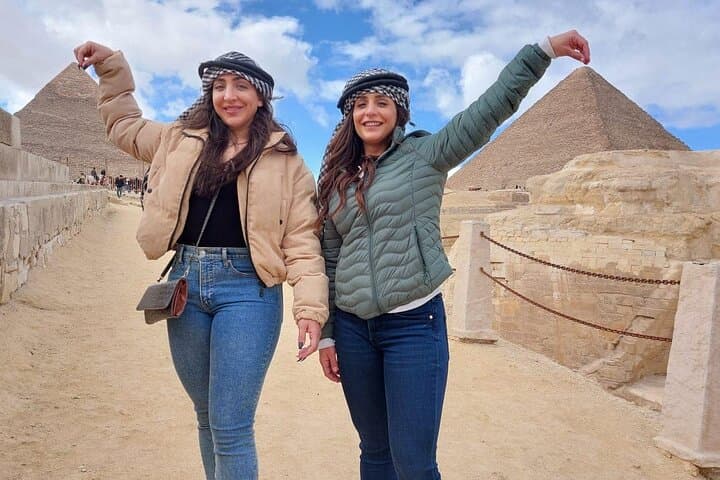
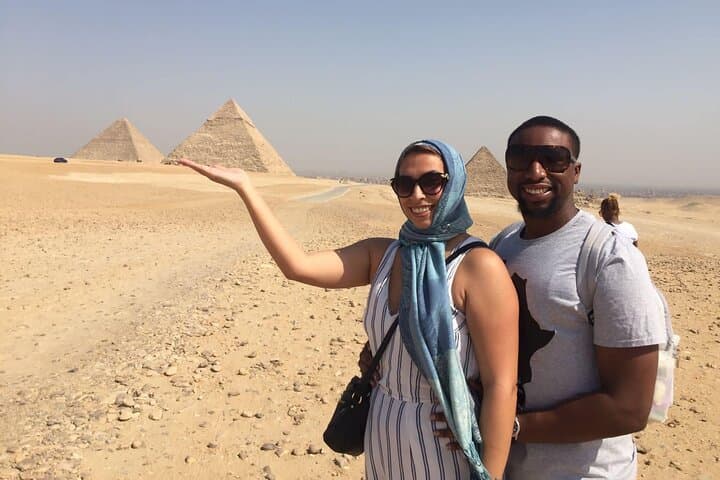
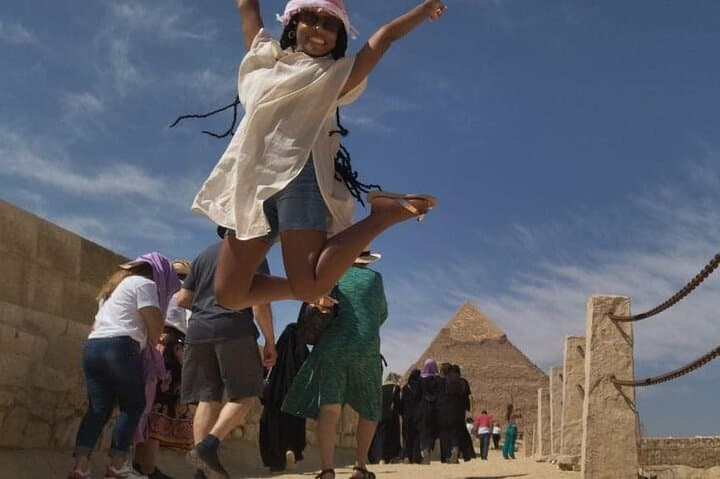
You step onto the Giza Plateau and the scale of the stone blocks rearranges your sense of time: sunlight skims angled faces, dust lifts around camel hooves, and the Great Pyramid rises like a man-made hill that refuses to be measured casually.
Verified experiences and guided adventures in the surrounding area.
Operated by Hesham Egypt tour guide · Giza, Giza Governorate
You step onto the Giza Plateau and the scale of the stone blocks rearranges your sense of time: sunlight skims angled faces, dust lifts around camel hooves, and the Great Pyramid rises like a man-made hill that refuses to be measured casually.
This half-day private tour delivers the essentials: guided time at the pyramids of Khufu, Khafre and Menkaure, a close approach to the Great Sphinx, a fifteen-minute camel ride across the desert fringe, and lunch at a local kofta or koshary spot. The plateau’s bedrock is limestone capped by harder courses, and the weathering patterns on the Sphinx’s limestone tell a long story of wind, sand and historic repairs.
Culturally, the site is central to Egypt’s Pharaonic identity—these monuments were royal tombs and ceremonial stages in the Old Kingdom over 4,500 years ago. Expect vendors, guide-driven narratives about construction theories, and quick stops at nearby bazaars for small souvenirs.
Practicalities matter: mornings are cooler and less crowded; afternoons bring heat and harsher light for photos. Wear sturdy closed-toe shoes for uneven sand and stone, carry sun protection and at least a liter of water, and budget small local currency for tips and purchases. The tour includes hotel pickup in an air-conditioned vehicle and bottled water; entrance fees vary by options booked. For a compact, outdoors-forward introduction to Giza, this private, guided half-day strikes a pragmatic balance between history, spectacle and comfortable logistics.
easy.
4 hours.
Suitable for most fitness levels; expect short walks on sand and uneven rock surfaces.
Entrance to the Giza Plateau is typically included depending on your booking option; individual internal pyramid entry may be an extra fee—confirm with your operator.
Camel rides are short, guided, and on the outskirts of the plateau; operators provide handlers, but wear comfortable clothing and follow handler instructions.
Restrooms and small cafes exist near the plateau and at nearby visitor areas; lunch is included in this tour and will be at a local restaurant or eatery.
The plateau has uneven ground and limited wheelchair access; contact the operator in advance for private-vehicle adjustments and assistance options.
The Giza complex dates to Egypt’s Fourth Dynasty (c. 2600–2500 BCE); Khufu’s pyramid was the tallest man-made structure for millennia and the Sphinx likely represents Khafre or a protective royal spirit.
High visitor numbers stress the fragile limestones and surrounding desert; stick to marked paths, avoid climbing monuments, and support licensed guides who follow site rules.
Hesham Egypt tour guide operates guided outdoor trips and adventures with an emphasis on safety, stewardship, and memorable experiences.

You step onto the Giza Plateau and the scale of the stone blocks rearranges your sense of time: sunlight skims angled faces, dust lifts around camel hooves, and the Great Pyramid rises like a man-made hill that refuses to be measured casually.
You step onto the Giza Plateau and the scale of the stone blocks rearranges your sense of time: sunlight skims angled faces, dust lifts around camel hooves, and the Great Pyramid rises like a man-made hill that refuses to be measured casually.
This half-day private tour delivers the essentials: guided time at the pyramids of Khufu, Khafre and Menkaure, a close approach to the Great Sphinx, a fifteen-minute camel ride across the desert fringe, and lunch at a local kofta or koshary spot. The plateau’s bedrock is limestone capped by harder courses, and the weathering patterns on the Sphinx’s limestone tell a long story of wind, sand and historic repairs.
Culturally, the site is central to Egypt’s Pharaonic identity—these monuments were royal tombs and ceremonial stages in the Old Kingdom over 4,500 years ago. Expect vendors, guide-driven narratives about construction theories, and quick stops at nearby bazaars for small souvenirs.
Practicalities matter: mornings are cooler and less crowded; afternoons bring heat and harsher light for photos. Wear sturdy closed-toe shoes for uneven sand and stone, carry sun protection and at least a liter of water, and budget small local currency for tips and purchases. The tour includes hotel pickup in an air-conditioned vehicle and bottled water; entrance fees vary by options booked. For a compact, outdoors-forward introduction to Giza, this private, guided half-day strikes a pragmatic balance between history, spectacle and comfortable logistics.