THE ADVENTURE COLLECTIVE® · Independent discovery and booking for outdoor travel

Experience the Giza Plateau in a compact, guided outing: a 30-minute camel ride, Egyptologist-led interpretation, and lunch overlooking the Sphinx. Practical for travelers staying in Cairo who want a focused, photography-friendly visit.
Experience the Giza Plateau in a compact, guided outing: a 30-minute camel ride, Egyptologist-led interpretation, and lunch overlooking the Sphinx. Practical for travelers staying in Cairo who want a focused, photography-friendly visit.
You step out of an air-conditioned shuttle into a wide, sun-scoured plateau. The Great Pyramid rises ahead—its edges blunt from millennia—and the Sphinx fixes you with a carved, unreadable stare. A camel’s steady sway becomes the rhythm for the next half hour as sand dusts your shoes and the desert wind dares you to look further.
Verified experiences and guided adventures in the surrounding area.
Operated by bes Egypt tours - day tours · Giza, Giza Governorate
You step out of an air-conditioned shuttle into a wide, sun-scoured plateau. The Great Pyramid rises ahead—its edges blunt from millennia—and the Sphinx fixes you with a carved, unreadable stare. A camel’s steady sway becomes the rhythm for the next half hour as sand dusts your shoes and the desert wind dares you to look further.
The Giza Plateau holds Egypt’s Old Kingdom ambitions: Khufu’s Great Pyramid (originally about 146 meters tall), Khafre’s mid-size monument and Menkaure’s smaller complex built around 2560–2500 BCE. Geologically the plateau is limestone bedrock cut by millennia of wind-blown sand and Nile silt to the east; culturally the site sits at the intersection of modern Cairo life and ancient funerary engineering. Local camel handlers and vendors form part of the living economy around the stones—expect lively bargaining and photo offers.
Practical guidance: this 4-hour small-group tour meets at Le Méridien Pyramids Hotel at 9:00 a.m., includes a 30-minute camel ride, lunch overlooking the Sphinx, an Egyptologist guide and a photographer, plus hotel pickup in an air-conditioned vehicle. Wear sturdy closed shoes for uneven limestone, a hat and sunscreen, and carry small change for tips and extras. Security checks and crowds can add time on-site; there’s no guaranteed skip-the-line entry. Avoid climbing the monuments and stay on designated paths to protect fragile masonry. Hydrate early, plan for strong sun, and use the guide to get context—this is where human ambition meets desert geology, and a good guide brings both to life.
easy.
4 hours.
Suitable for most fitness levels; involves short walks on uneven ground and a seated camel ride.
Yes — this tour includes a 30-minute camel ride around the Giza Plateau as specified in the itinerary.
Interior access to a pyramid is not guaranteed by all tours; many guided visits include plateau access but not climbing or internal entry—confirm with the operator before arrival.
The meeting point is in front of the Le Méridien Pyramids Hotel reception at 9:00 a.m.; the guide will hold a sign with lead traveler names.
Yes — the tour includes bottled water on the coach and a set-menu lunch at a restaurant overlooking the Sphinx, with a vegetarian option if requested at booking.
The main pyramids were built during Egypt’s Old Kingdom (circa 2600–2500 BCE) as royal tomb complexes; the Great Pyramid served as Khufu’s monumental burial.
Heavy foot traffic and unregulated touching can damage soft limestone; follow marked paths, avoid climbing, and respect local conservation rules to minimize impact.
bes Egypt tours - day tours operates guided outdoor trips and adventures with an emphasis on safety, stewardship, and memorable experiences.
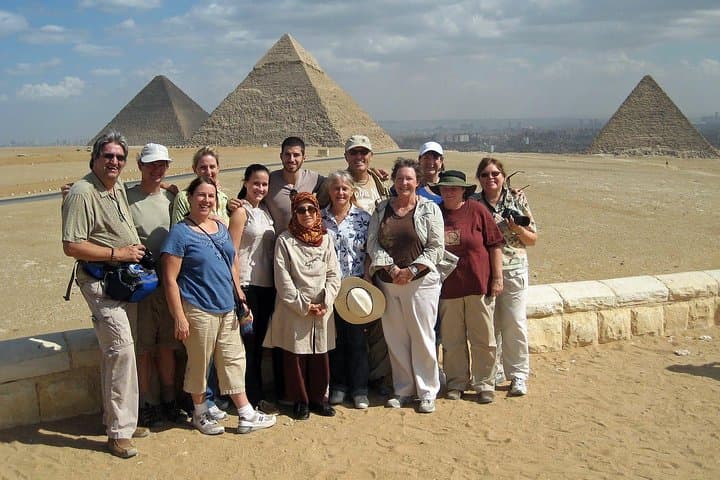
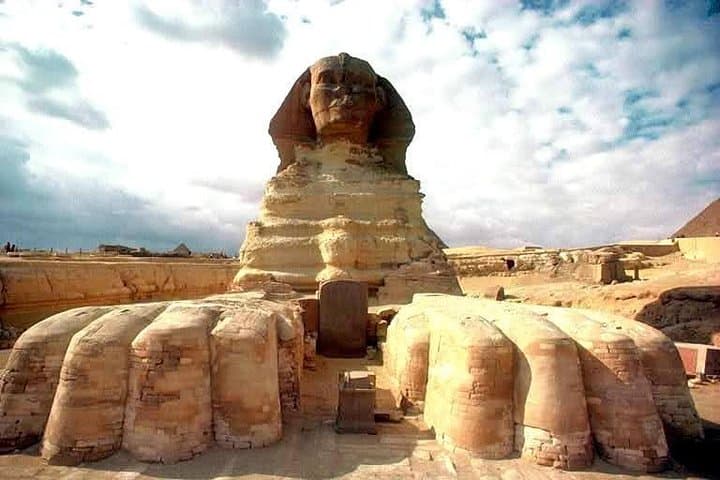
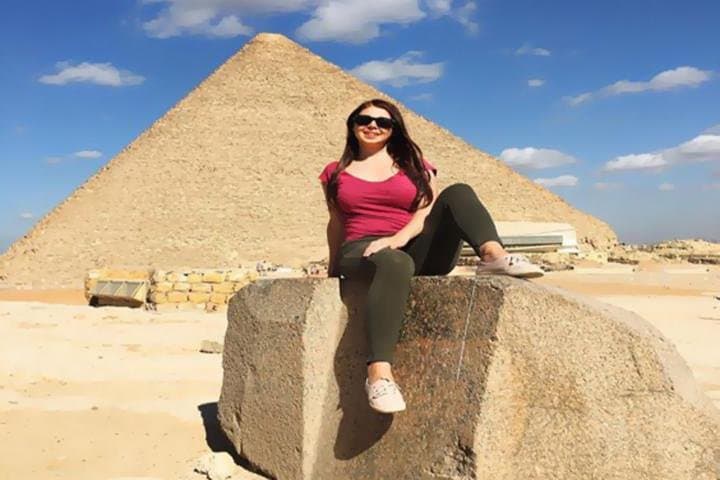
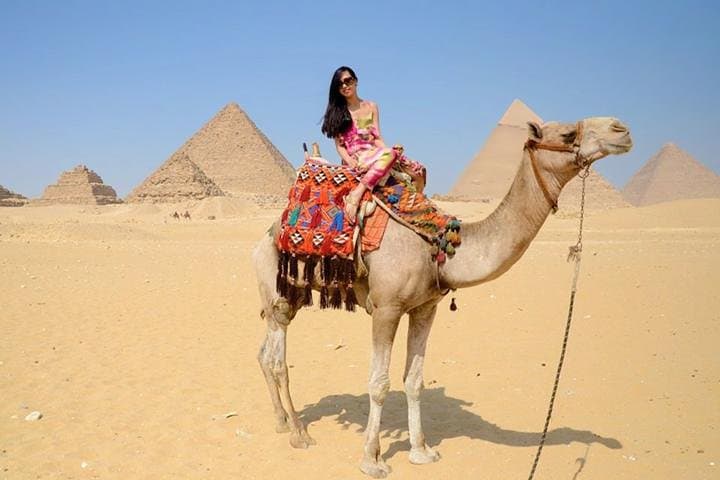
You step out of an air-conditioned shuttle into a wide, sun-scoured plateau. The Great Pyramid rises ahead—its edges blunt from millennia—and the Sphinx fixes you with a carved, unreadable stare. A camel’s steady sway becomes the rhythm for the next half hour as sand dusts your shoes and the desert wind dares you to look further.
You step out of an air-conditioned shuttle into a wide, sun-scoured plateau. The Great Pyramid rises ahead—its edges blunt from millennia—and the Sphinx fixes you with a carved, unreadable stare. A camel’s steady sway becomes the rhythm for the next half hour as sand dusts your shoes and the desert wind dares you to look further.
The Giza Plateau holds Egypt’s Old Kingdom ambitions: Khufu’s Great Pyramid (originally about 146 meters tall), Khafre’s mid-size monument and Menkaure’s smaller complex built around 2560–2500 BCE. Geologically the plateau is limestone bedrock cut by millennia of wind-blown sand and Nile silt to the east; culturally the site sits at the intersection of modern Cairo life and ancient funerary engineering. Local camel handlers and vendors form part of the living economy around the stones—expect lively bargaining and photo offers.
Practical guidance: this 4-hour small-group tour meets at Le Méridien Pyramids Hotel at 9:00 a.m., includes a 30-minute camel ride, lunch overlooking the Sphinx, an Egyptologist guide and a photographer, plus hotel pickup in an air-conditioned vehicle. Wear sturdy closed shoes for uneven limestone, a hat and sunscreen, and carry small change for tips and extras. Security checks and crowds can add time on-site; there’s no guaranteed skip-the-line entry. Avoid climbing the monuments and stay on designated paths to protect fragile masonry. Hydrate early, plan for strong sun, and use the guide to get context—this is where human ambition meets desert geology, and a good guide brings both to life.