THE ADVENTURE COLLECTIVE® · Independent discovery and booking for outdoor travel

Walk the Giza Plateau, ride a camel at the foot of the pyramids and tour the Egyptian Museum in a single day. This full-day, private excursion pairs archaeological context with on-the-ground practicality—ideal for first-time visitors wanting history, photos and local flavor.
Walk the Giza Plateau, ride a camel at the foot of the pyramids and tour the Egyptian Museum in a single day. This full-day, private excursion pairs archaeological context with on-the-ground practicality—ideal for first-time visitors wanting history, photos and local flavor.
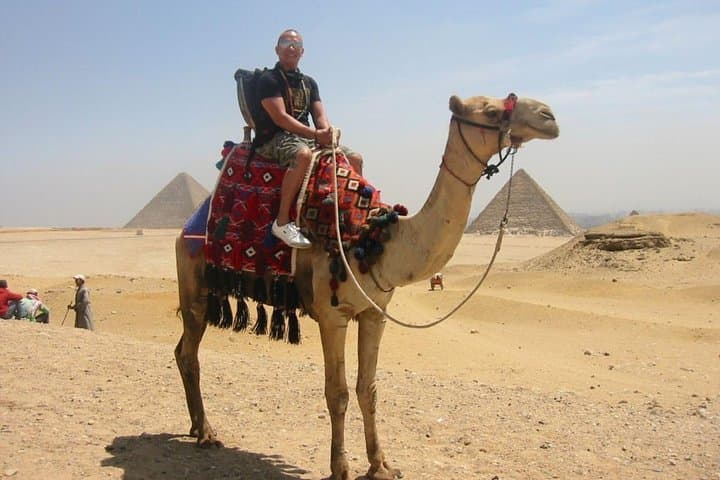
Morning light breaks over the Giza Plateau and the pyramids throw long, sharp shadows across wind-scored sand. You step from the vehicle onto a spread of ancient stone and loose gravel; the air smells of dust and fried street food. Guides call, vendors arrange photo backdrops, and camels shift, patient and indifferent, ready to carry you across a landscape that has watched empires rise and fall.
Verified experiences and guided adventures in the surrounding area.
Operated by Egypt Top Tours · Giza, Cairo Governorate
Morning light breaks over the Giza Plateau and the pyramids throw long, sharp shadows across wind-scored sand. You step from the vehicle onto a spread of ancient stone and loose gravel; the air smells of dust and fried street food. Guides call, vendors arrange photo backdrops, and camels shift, patient and indifferent, ready to carry you across a landscape that has watched empires rise and fall.
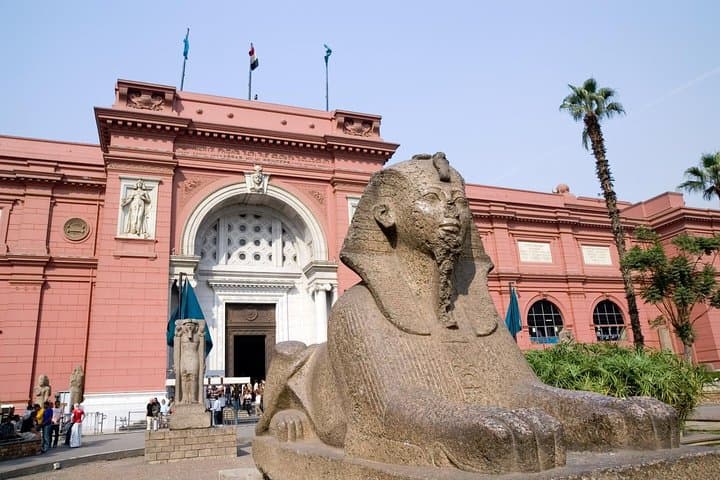
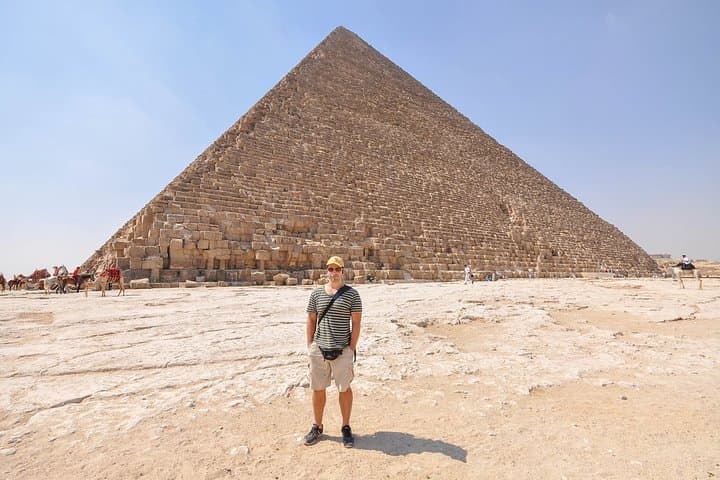
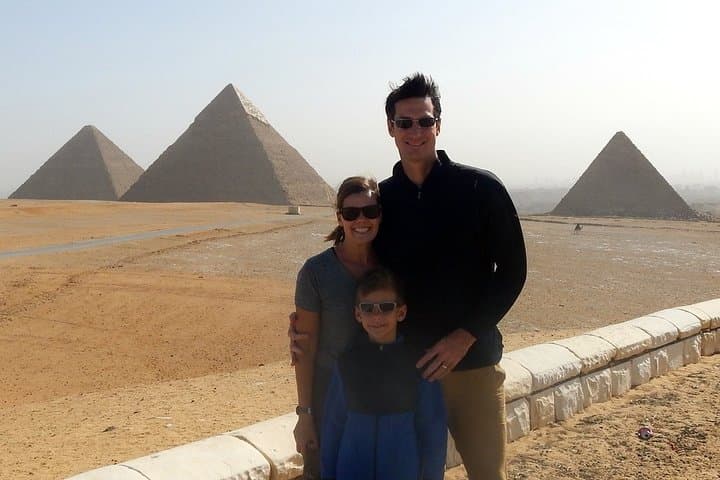
The three main pyramids—Khufu, Khafre and Menkaure—date to Egypt’s Old Kingdom, roughly 4,500 years ago, built with quarried limestone and precise engineering that still puzzles architects. Nearby the Sphinx, carved from a single limestone ridge, guards the valley temple with the weathered face of a pharaoh. The Egyptian Museum in central Cairo houses five millennia of artifacts, from everyday tools to Tutankhamen’s funerary gold; it’s a cultural catalog of a civilization that organized labor, religion and burial on a monumental scale.
Expect mostly flat walking on packed sand and paved paths, interspersed with uneven sections at the pyramid bases and in museum halls. The camel ride is optional and brief—an evocative way to cross the plateau but not physically demanding. Plan for bright sun, dust, and crowds; modest dress is recommended for the museum and local customs.
Practically: start at first light for cooler temperatures and softer photos, carry water and sunscreen, and keep small bills for tips. A qualified Egyptologist guide makes the history accessible and local lunch offers a chance to sample simple dishes like koshari or grilled kofta. The day is sensory, storied and straightforward—an accessible immersion into the ancient world with modern conveniences.
easy.
8 hours.
Light fitness required—comfortable walking for several short stretches and standing during explanations; suitable for most travelers.
The camel ride is listed as optional; operators provide experienced handlers and short, seated rides—ask your guide about safety and decline if you’re uncomfortable.
Inclusions vary by booking—this tour lists museum visits but verify with the operator whether entrance fees and special exhibits (like Tutankhamen’s chamber) are covered before you go.
Smart casual is requested for the museum; on the plateau modest, breathable clothing is advisable to respect local customs and manage sun exposure.
Yes—this is rated easy with private transport and short walks, but inform the operator of mobility needs and check camel-riding suitability for young children and those with limited mobility.
The Great Pyramid of Khufu dates to around 2560 BCE and is the largest of the Giza pyramids; the Sphinx is associated with Khafre’s funerary complex and carved from local limestone.
Heavy foot traffic and urban pollution impact the plateau and nearby museum artifacts; practice leave-no-trace, avoid touching stonework and support licensed guides and local conservation initiatives.
Egypt Top Tours operates guided outdoor trips and adventures with an emphasis on safety, stewardship, and memorable experiences.
Morning light breaks over the Giza Plateau and the pyramids throw long, sharp shadows across wind-scored sand. You step from the vehicle onto a spread of ancient stone and loose gravel; the air smells of dust and fried street food. Guides call, vendors arrange photo backdrops, and camels shift, patient and indifferent, ready to carry you across a landscape that has watched empires rise and fall.
Morning light breaks over the Giza Plateau and the pyramids throw long, sharp shadows across wind-scored sand. You step from the vehicle onto a spread of ancient stone and loose gravel; the air smells of dust and fried street food. Guides call, vendors arrange photo backdrops, and camels shift, patient and indifferent, ready to carry you across a landscape that has watched empires rise and fall.
The three main pyramids—Khufu, Khafre and Menkaure—date to Egypt’s Old Kingdom, roughly 4,500 years ago, built with quarried limestone and precise engineering that still puzzles architects. Nearby the Sphinx, carved from a single limestone ridge, guards the valley temple with the weathered face of a pharaoh. The Egyptian Museum in central Cairo houses five millennia of artifacts, from everyday tools to Tutankhamen’s funerary gold; it’s a cultural catalog of a civilization that organized labor, religion and burial on a monumental scale.
Expect mostly flat walking on packed sand and paved paths, interspersed with uneven sections at the pyramid bases and in museum halls. The camel ride is optional and brief—an evocative way to cross the plateau but not physically demanding. Plan for bright sun, dust, and crowds; modest dress is recommended for the museum and local customs.
Practically: start at first light for cooler temperatures and softer photos, carry water and sunscreen, and keep small bills for tips. A qualified Egyptologist guide makes the history accessible and local lunch offers a chance to sample simple dishes like koshari or grilled kofta. The day is sensory, storied and straightforward—an accessible immersion into the ancient world with modern conveniences.