THE ADVENTURE COLLECTIVE® · Independent discovery and booking for outdoor travel

Walk the Giza Plateau from the Great Pyramid to the Sphinx with an Egyptologist guide. This practical day trip combines close-up views, archaeological context, and tips to navigate heat, tickets, and photography.
Walk the Giza Plateau from the Great Pyramid to the Sphinx with an Egyptologist guide. This practical day trip combines close-up views, archaeological context, and tips to navigate heat, tickets, and photography.
You step out of an air‑conditioned van into a flat, sun‑baked sweep of limestone where shadows fall hard and the wind carries a dry, granular voice.
Verified experiences and guided adventures in the surrounding area.
Operated by mr-brown-sugar-egypt-tours · Giza, Giza Governorate
You step out of an air‑conditioned van into a flat, sun‑baked sweep of limestone where shadows fall hard and the wind carries a dry, granular voice.
The Great Pyramid of Khufu rises ahead—precise, geometric, older than most written histories—and the Sphinx watches from its eroded perch. An Egyptologist guide typically frames what you’re seeing: Old Kingdom architects, dressed blocks of Tura limestone, and the Giza Plateau’s role as a funerary landscape more than 4,500 years old.
Geology here is blunt and visible: quarried limestone plates, wind-sanded sand, and the bedrock cuts of valley temples where mummification rituals once took place. Culture and modern life press in at the edges—camel handlers on the plateau, vendors near the ticket booths, and the newly opened Grand Egyptian Museum visible nearby as a contemporary anchor to the past.
Practical guidance: plan for 4–5 hours for a paced visit that includes the plateau, the Sphinx, and the Valley Temple. Start early to avoid heat and crowds; wear closed walking shoes on uneven rock and bring sun protection and a refillable water bottle. Entrances to interior chambers can require separate tickets and lines; confirm what the tour includes in advance. Photography is allowed in most outdoor areas; be mindful of local customs and tipping for small services.
With a clear schedule and sun sense, this day trip delivers one of the planet’s most elemental encounters with human ambition and desert time.
easy.
4–5 hours.
Basic mobility and the ability to walk short distances on uneven ground; suitable for most fitness levels
Many tours exclude site admission and interior-access tickets—confirm with your operator and be prepared to pay additional fees on site.
Interior access is limited, requires a separate ticket and may be restricted for conservation reasons; check current policy before booking.
Parts of the site and transportation can be wheelchair accessible, but terrain on the plateau is uneven—confirm accessibility details with the operator ahead of time.
Camel rides are typically optional extras arranged locally and priced separately; verify whether your booking covers them.
The Giza monuments date to Egypt’s Fourth Dynasty (~2600–2500 BCE), with the Great Pyramid built for Pharaoh Khufu and the surrounding temples supporting funerary rites.
Rising visitor numbers have prompted stricter access rules and ongoing conservation projects; stick to marked paths and avoid touching ancient masonry.
mr-brown-sugar-egypt-tours operates guided outdoor trips and adventures with an emphasis on safety, stewardship, and memorable experiences.
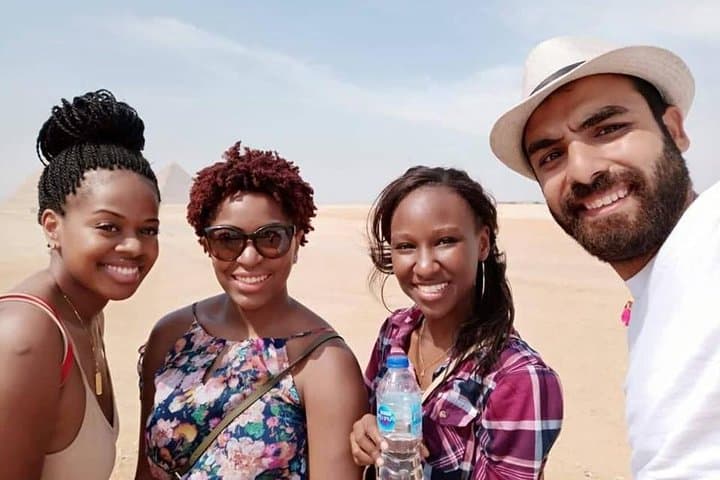
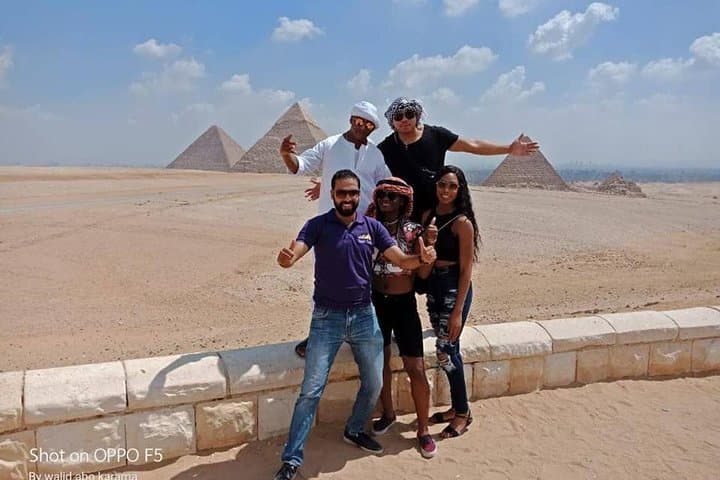
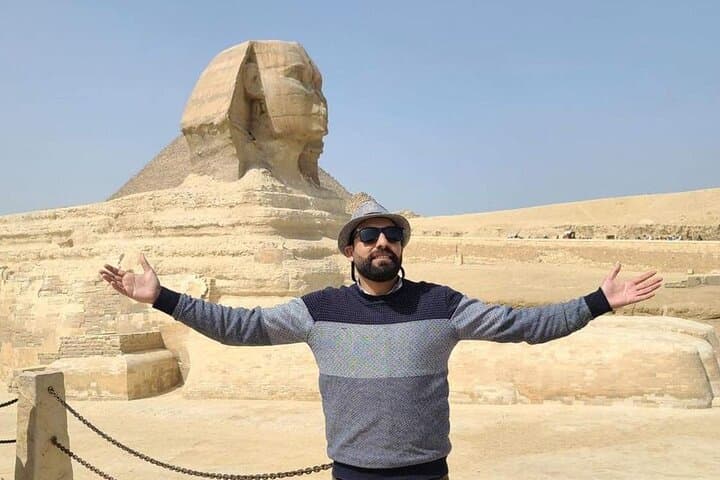
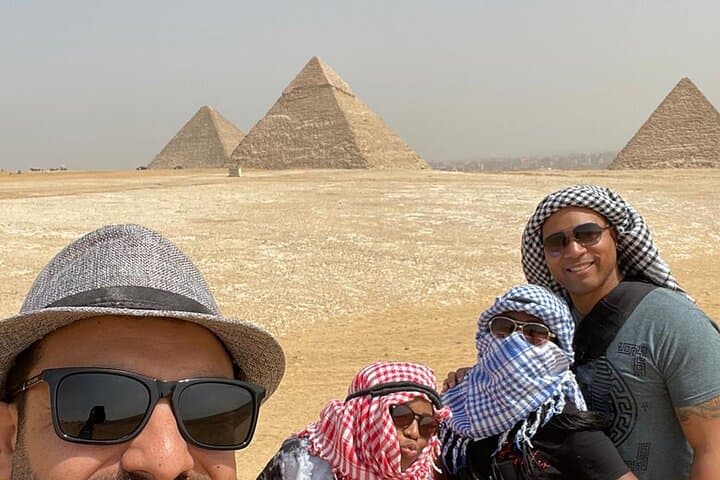
You step out of an air‑conditioned van into a flat, sun‑baked sweep of limestone where shadows fall hard and the wind carries a dry, granular voice.
You step out of an air‑conditioned van into a flat, sun‑baked sweep of limestone where shadows fall hard and the wind carries a dry, granular voice.
The Great Pyramid of Khufu rises ahead—precise, geometric, older than most written histories—and the Sphinx watches from its eroded perch. An Egyptologist guide typically frames what you’re seeing: Old Kingdom architects, dressed blocks of Tura limestone, and the Giza Plateau’s role as a funerary landscape more than 4,500 years old.
Geology here is blunt and visible: quarried limestone plates, wind-sanded sand, and the bedrock cuts of valley temples where mummification rituals once took place. Culture and modern life press in at the edges—camel handlers on the plateau, vendors near the ticket booths, and the newly opened Grand Egyptian Museum visible nearby as a contemporary anchor to the past.
Practical guidance: plan for 4–5 hours for a paced visit that includes the plateau, the Sphinx, and the Valley Temple. Start early to avoid heat and crowds; wear closed walking shoes on uneven rock and bring sun protection and a refillable water bottle. Entrances to interior chambers can require separate tickets and lines; confirm what the tour includes in advance. Photography is allowed in most outdoor areas; be mindful of local customs and tipping for small services.
With a clear schedule and sun sense, this day trip delivers one of the planet’s most elemental encounters with human ambition and desert time.