THE ADVENTURE COLLECTIVE® · Independent discovery and booking for outdoor travel

A compact half-day that pairs Giza’s monumental stone with active desert time and a gentle Nile felucca cruise. Ideal for travelers who want iconic views, a short camel and quad experience, and a taste of Cairo’s river culture.
A compact half-day that pairs Giza’s monumental stone with active desert time and a gentle Nile felucca cruise. Ideal for travelers who want iconic views, a short camel and quad experience, and a taste of Cairo’s river culture.
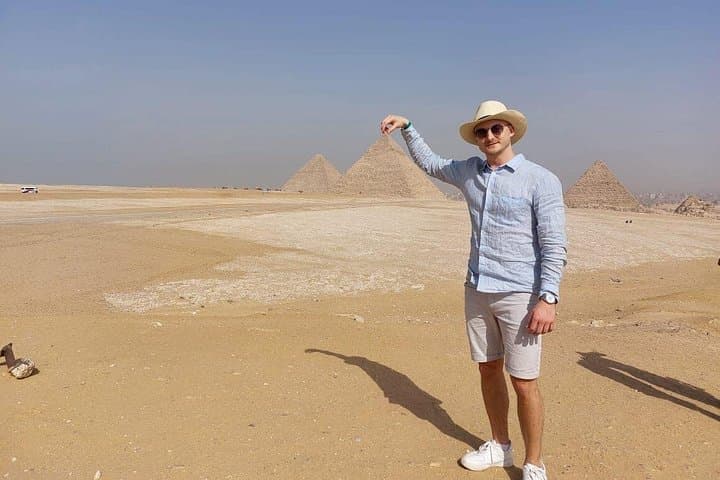
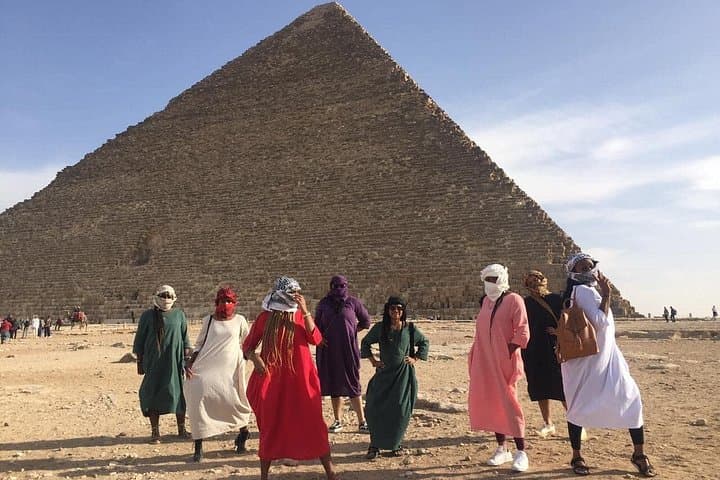
Morning light hits the Giza Plateau and the stone faces suddenly take shape: sheer, weathered blocks stacked with millennia of intent. Visitors meet their guide in Cairo or Giza, move out through scrubby desert and into the wide angles of the plateau, where the Great Pyramid rises with measured geometry and the Sphinx watches the plain.
Verified experiences and guided adventures in the surrounding area.
Operated by Book My Egypt Tours · Giza, Giza Governorate
Morning light hits the Giza Plateau and the stone faces suddenly take shape: sheer, weathered blocks stacked with millennia of intent. Visitors meet their guide in Cairo or Giza, move out through scrubby desert and into the wide angles of the plateau, where the Great Pyramid rises with measured geometry and the Sphinx watches the plain.
This landscape is as much geology as history — Eocene limestone underlies the plateau, quarried in antiquity to build royal chambers and causeways. Khufu’s Great Pyramid remains an engineering marker of the Fourth Dynasty, its precise orientation still debated by archaeologists. Nearby, the Sphinx and the mortuary temples point to ancient funerary practices; more recent layers of Cairo culture appear in the bustling bazaars and papyrus workshops where artisans keep traditional crafts alive.
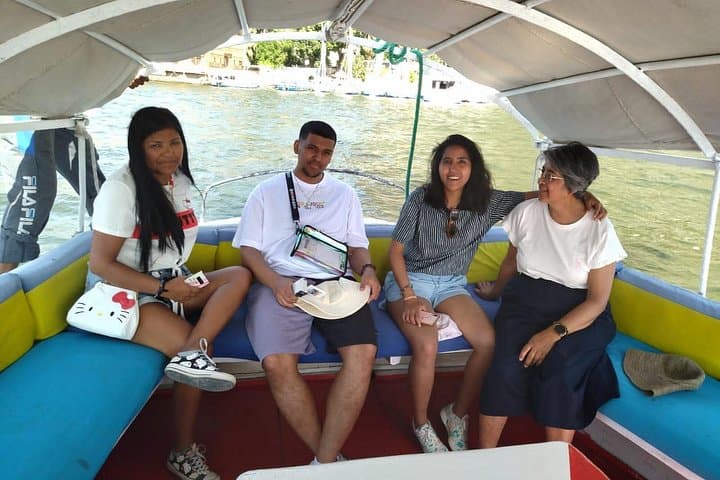
The day mixes short, sensory highlights: a 15-minute camel trot across sandy ridges, a one-hour quad loop that kicks up desert dust with the pyramids as a backdrop, then a relaxed felucca glide on the Nile where the river’s slow current softens the city’s silhouette.
Practical guidance: plan for heat and sun — morning departures are best for light and photos. Admission fees to the pyramid interiors are often not included, so bring cash and a copy of your booking. Wear closed-toe shoes for the quad, a lightweight long sleeve for sun and dust, and a small daypack for water and camera. Expect brief stops at a papyrus institute and a perfume workshop; these are lively cultural detours but not long. With modest fitness and sensible gear, this compact half-day delivers a concentrated dose of Egypt: monumental stone, river calm, and desert motion.
moderate.
4 hours.
Suitable for travelers with basic mobility; activities include short camel rides and a moderate quad bike session requiring balance and quick stepping.
Most small-group tours do not include pyramid interior tickets; check your booking and bring cash if you plan to enter the Great Pyramid or other paid sites.
This tour typically includes private hotel pickup and drop-off within Cairo or Giza — confirm your pickup point when booking.
Yes, the one-hour quad portion is designed for novices; guides provide a short safety briefing and helmets, but experience and composure on uneven terrain help.
Children are usually permitted but age and weight limits may apply; check with the operator about specific safety guidelines and child seats for quads.
The Giza Plateau is a focal point of Old Kingdom Egypt; Khufu’s pyramid was built circa 2560 BCE and remains a benchmark of ancient engineering.
High visitor numbers push local management to balance access with preservation; follow pathways, avoid climbing the stones, and minimize plastic waste to reduce impact.
Book My Egypt Tours operates guided outdoor trips and adventures with an emphasis on safety, stewardship, and memorable experiences.

Morning light hits the Giza Plateau and the stone faces suddenly take shape: sheer, weathered blocks stacked with millennia of intent. Visitors meet their guide in Cairo or Giza, move out through scrubby desert and into the wide angles of the plateau, where the Great Pyramid rises with measured geometry and the Sphinx watches the plain.
Morning light hits the Giza Plateau and the stone faces suddenly take shape: sheer, weathered blocks stacked with millennia of intent. Visitors meet their guide in Cairo or Giza, move out through scrubby desert and into the wide angles of the plateau, where the Great Pyramid rises with measured geometry and the Sphinx watches the plain.
This landscape is as much geology as history — Eocene limestone underlies the plateau, quarried in antiquity to build royal chambers and causeways. Khufu’s Great Pyramid remains an engineering marker of the Fourth Dynasty, its precise orientation still debated by archaeologists. Nearby, the Sphinx and the mortuary temples point to ancient funerary practices; more recent layers of Cairo culture appear in the bustling bazaars and papyrus workshops where artisans keep traditional crafts alive.
The day mixes short, sensory highlights: a 15-minute camel trot across sandy ridges, a one-hour quad loop that kicks up desert dust with the pyramids as a backdrop, then a relaxed felucca glide on the Nile where the river’s slow current softens the city’s silhouette.
Practical guidance: plan for heat and sun — morning departures are best for light and photos. Admission fees to the pyramid interiors are often not included, so bring cash and a copy of your booking. Wear closed-toe shoes for the quad, a lightweight long sleeve for sun and dust, and a small daypack for water and camera. Expect brief stops at a papyrus institute and a perfume workshop; these are lively cultural detours but not long. With modest fitness and sensible gear, this compact half-day delivers a concentrated dose of Egypt: monumental stone, river calm, and desert motion.