THE ADVENTURE COLLECTIVE® · Independent discovery and booking for outdoor travel

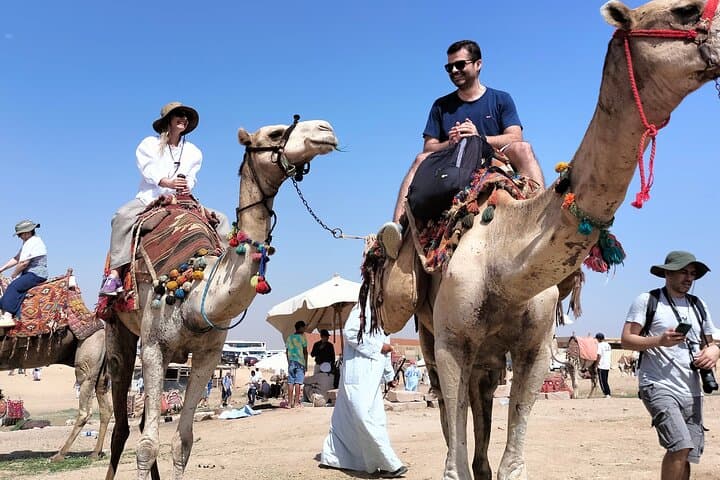
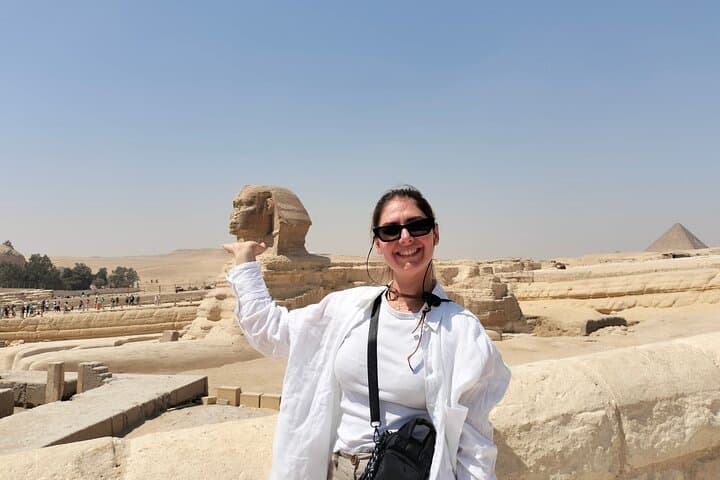
Experience the Giza Plateau up close: explore the Great Pyramids and Valley Temple, pose with the Sphinx, and take a guided 30-minute camel ride on this private half-day tour. Practical tips on timing, gear, and site rules keep the focus on safe, respectful exploration.
Experience the Giza Plateau up close: explore the Great Pyramids and Valley Temple, pose with the Sphinx, and take a guided 30-minute camel ride on this private half-day tour. Practical tips on timing, gear, and site rules keep the focus on safe, respectful exploration.
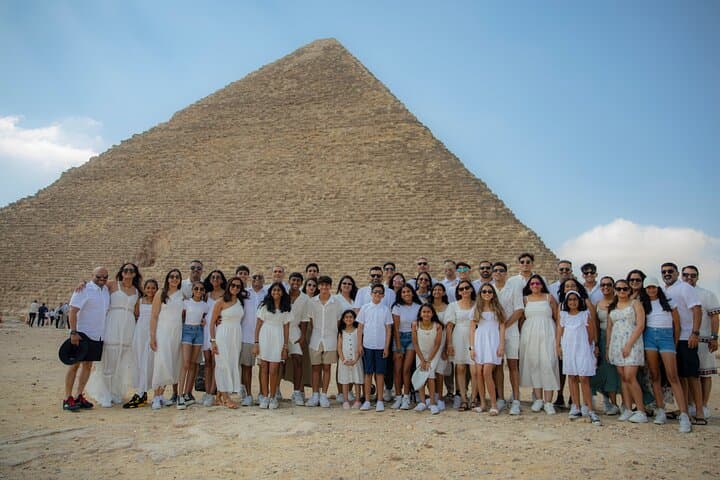
Early light spills across a heat-struck plain as sandstone and shadow lay out the silhouette of three monumental roofs of the ancient world. On the Giza Plateau, the Great Pyramid, Khafre and Menkaure stand like deliberate geometry against sky; the Sphinx sits guard with a weathered stare while the desert wind dares you to step closer.
Verified experiences and guided adventures in the surrounding area.
Operated by Emo Tours Swiss · Giza, Giza Governorate
Early light spills across a heat-struck plain as sandstone and shadow lay out the silhouette of three monumental roofs of the ancient world. On the Giza Plateau, the Great Pyramid, Khafre and Menkaure stand like deliberate geometry against sky; the Sphinx sits guard with a weathered stare while the desert wind dares you to step closer.
These structures date to Egypt’s Old Kingdom (c. 2600–2500 BCE), built from quarried limestone and topped originally with polished casing stones that caught the sun. The Sphinx was carved from natural bedrock to pair lion body with royal face; nearby the Valley Temple preserves the slick, red granite blocks used for funerary rites. Modern cultural life presses in at the edges: vendors selling bottles of water, local guides translating hieroglyphs into narratives, and camels threaded into the tourism economy.
Practical guidance is straightforward: this half-day private tour runs about four hours and includes a 30-minute camel ride across the plateau and bottled water. Wear sturdy closed shoes for walking on loose gravel and sand; sun protection is essential any month. Expect close-up photo opportunities at the Sphinx and plateau viewpoints, though access into pyramids or certain tombs may require separate tickets or reservations. Follow your guide’s route to minimize impact on fragile stone and respect restricted zones — climbing the pyramids is prohibited. Morning or late-afternoon departures avoid the harshest sun and produce the best light for photography. Bring small bills for tips, move deliberately around animals, and allow time to take in the scale: the stone blocks push history forward underfoot, reminding visitors this is both archaeological site and working landscape.
easy.
4 hours.
Suitable for most fitness levels; involves short walks on uneven sand and a 30-minute camel ride that requires basic balance.
This tour includes area access to the Giza Plateau, Sphinx and Valley Temple; entry inside the Great Pyramid or certain tombs may require separate entrance tickets or onsite purchase.
Camel rides are generally safe but not recommended for those with back or heart problems, pregnant travelers, or very small infants; inform the operator of mobility needs in advance.
Climbing pyramids is illegal and prohibited; touching vulnerable carved surfaces is discouraged to protect the ancient stone and preserve the site.
Tipping is customary; consider modest amounts in local currency for guides and a small tip for the camel handler after a satisfactory ride.
The pyramids at Giza were built during Egypt’s Fourth Dynasty as monumental royal tombs; the plateau functioned as an integrated funerary complex with temples and causeways.
Strict access rules help protect fragile masonry; visitors are encouraged to stay on designated routes, avoid taking stones or graffiti, and support conservation through authorized fees.
Emo Tours Swiss operates guided outdoor trips and adventures with an emphasis on safety, stewardship, and memorable experiences.

Early light spills across a heat-struck plain as sandstone and shadow lay out the silhouette of three monumental roofs of the ancient world. On the Giza Plateau, the Great Pyramid, Khafre and Menkaure stand like deliberate geometry against sky; the Sphinx sits guard with a weathered stare while the desert wind dares you to step closer.
Early light spills across a heat-struck plain as sandstone and shadow lay out the silhouette of three monumental roofs of the ancient world. On the Giza Plateau, the Great Pyramid, Khafre and Menkaure stand like deliberate geometry against sky; the Sphinx sits guard with a weathered stare while the desert wind dares you to step closer.
These structures date to Egypt’s Old Kingdom (c. 2600–2500 BCE), built from quarried limestone and topped originally with polished casing stones that caught the sun. The Sphinx was carved from natural bedrock to pair lion body with royal face; nearby the Valley Temple preserves the slick, red granite blocks used for funerary rites. Modern cultural life presses in at the edges: vendors selling bottles of water, local guides translating hieroglyphs into narratives, and camels threaded into the tourism economy.
Practical guidance is straightforward: this half-day private tour runs about four hours and includes a 30-minute camel ride across the plateau and bottled water. Wear sturdy closed shoes for walking on loose gravel and sand; sun protection is essential any month. Expect close-up photo opportunities at the Sphinx and plateau viewpoints, though access into pyramids or certain tombs may require separate tickets or reservations. Follow your guide’s route to minimize impact on fragile stone and respect restricted zones — climbing the pyramids is prohibited. Morning or late-afternoon departures avoid the harshest sun and produce the best light for photography. Bring small bills for tips, move deliberately around animals, and allow time to take in the scale: the stone blocks push history forward underfoot, reminding visitors this is both archaeological site and working landscape.