THE ADVENTURE COLLECTIVE® · Independent discovery and booking for outdoor travel

Walk the ancient Giza Plateau from the shadow of Khufu’s pyramid to the Sphinx, then swap sun for riverlight on a two-hour Nile dinner cruise. This combined half-day to evening tour pairs close-up archaeology with evening entertainment and practical logistics for first-time visitors.
Walk the ancient Giza Plateau from the shadow of Khufu’s pyramid to the Sphinx, then swap sun for riverlight on a two-hour Nile dinner cruise. This combined half-day to evening tour pairs close-up archaeology with evening entertainment and practical logistics for first-time visitors.
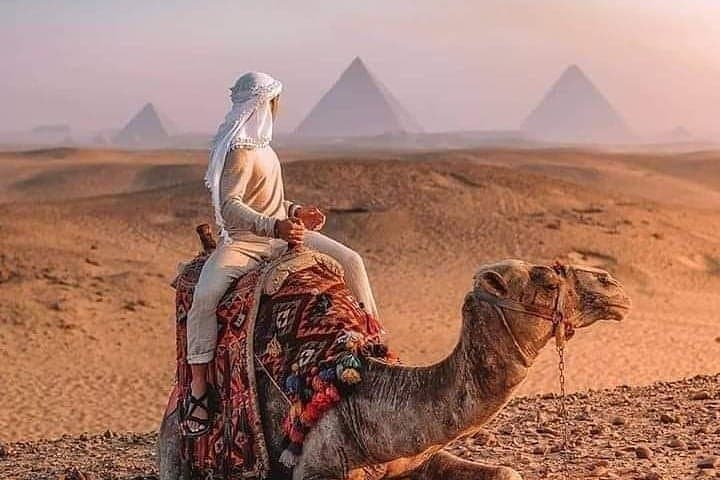
You step onto a sun-baked shelf of limestone, the city’s hum pulled behind you as the Great Pyramid rises like a deliberate machine of stone. Sand crunches underfoot, camels shift their weight, and the Sphinx watches with the patient indifference of carved rock.
Verified experiences and guided adventures in the surrounding area.
Operated by Guide Of Egypt Tours · Giza, Giza Governorate
You step onto a sun-baked shelf of limestone, the city’s hum pulled behind you as the Great Pyramid rises like a deliberate machine of stone. Sand crunches underfoot, camels shift their weight, and the Sphinx watches with the patient indifference of carved rock.
The Giza Plateau holds layers of history: the Fourth Dynasty tombs of Khufu and Khafre, quarried limestone casing now worn to angular faces, and the Valley Temple where the rituals of mummification once took place. Geology here is obvious—limestone beds formed in a shallow Tethys Sea, later cut and stacked into monumental geometry. Culturally, the site remains a living crossroads: local vendors, Egyptologists, and pilgrims share rhythms of trade and storytelling around the monuments.
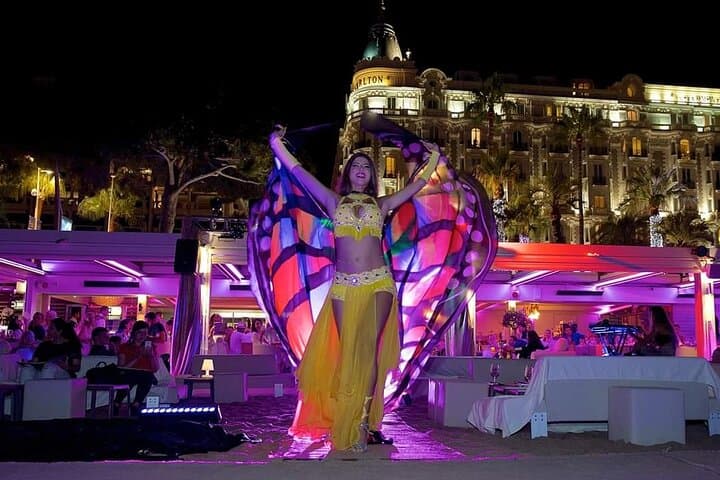
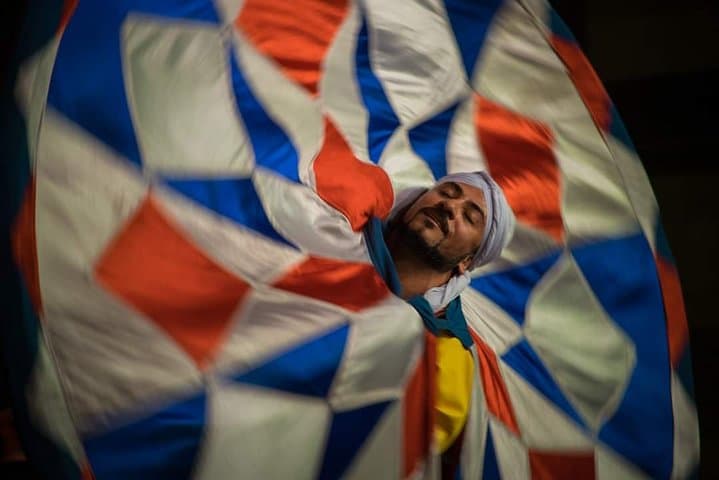
Expect short, uneven walks across the plateau (roughly 1–3 km total on stone and packed sand), close-up views of the Sphinx and Cheops, and a 30-minute camel ride that offers a slow, swaying vantage. An evening itinerary shifts to water: a two-hour Nile dinner cruise through downtown Cairo with traditional music and dance, where the river’s light dares you to relax.
Practical guidance: arrive early to avoid the worst sun and crowds, carry sun protection and at least 2 liters of water, and wear sturdy closed-toe shoes for uneven limestone and loose sand. If you plan photos at sunset, allow extra time—the plateau fills quickly. The tour’s transfers, guide, entrance fees and dinner cruise are typically included; check accessibility notes if mobility is a concern.
easy.
4–7 hours.
Suitable for most fitness levels; requires walking short distances over uneven ground and stable balance for camel rides.
This tour typically includes entrance fees for the listed sites; confirm at booking or with your guide on arrival.
Camel rides are usually included as a short 30-minute experience on the plateau, but participation is optional and may be subject to weather or operational limits.
The dinner cruise lasts about two hours and usually departs around 6–8 pm, featuring live music and traditional dance performances.
Transfers and some areas are wheelchair accessible, but the plateau itself has uneven surfaces; check with the operator for specific accessibility arrangements.
The Great Pyramid of Khufu dates to c. 2560 BCE and was built using locally quarried limestone; the Sphinx is associated with Khafre’s complex and ancient ritual landscapes.
Visitor pressure and urban encroachment are ongoing concerns; stick to marked paths, avoid touching masonry, and support local guides who promote respectful site use.
Guide Of Egypt Tours operates guided outdoor trips and adventures with an emphasis on safety, stewardship, and memorable experiences.
You step onto a sun-baked shelf of limestone, the city’s hum pulled behind you as the Great Pyramid rises like a deliberate machine of stone. Sand crunches underfoot, camels shift their weight, and the Sphinx watches with the patient indifference of carved rock.
You step onto a sun-baked shelf of limestone, the city’s hum pulled behind you as the Great Pyramid rises like a deliberate machine of stone. Sand crunches underfoot, camels shift their weight, and the Sphinx watches with the patient indifference of carved rock.
The Giza Plateau holds layers of history: the Fourth Dynasty tombs of Khufu and Khafre, quarried limestone casing now worn to angular faces, and the Valley Temple where the rituals of mummification once took place. Geology here is obvious—limestone beds formed in a shallow Tethys Sea, later cut and stacked into monumental geometry. Culturally, the site remains a living crossroads: local vendors, Egyptologists, and pilgrims share rhythms of trade and storytelling around the monuments.
Expect short, uneven walks across the plateau (roughly 1–3 km total on stone and packed sand), close-up views of the Sphinx and Cheops, and a 30-minute camel ride that offers a slow, swaying vantage. An evening itinerary shifts to water: a two-hour Nile dinner cruise through downtown Cairo with traditional music and dance, where the river’s light dares you to relax.
Practical guidance: arrive early to avoid the worst sun and crowds, carry sun protection and at least 2 liters of water, and wear sturdy closed-toe shoes for uneven limestone and loose sand. If you plan photos at sunset, allow extra time—the plateau fills quickly. The tour’s transfers, guide, entrance fees and dinner cruise are typically included; check accessibility notes if mobility is a concern.