THE ADVENTURE COLLECTIVE® · Independent discovery and booking for outdoor travel

A seven‑hour private tour that pairs the sheer scale of the Giza Pyramids and Sphinx with the compact, history‑dense quarters of Islamic and Coptic Cairo. Ideal for travelers who want a single‑day, guided overview of Egypt’s ancient monuments and medieval urban fabric.
A seven‑hour private tour that pairs the sheer scale of the Giza Pyramids and Sphinx with the compact, history‑dense quarters of Islamic and Coptic Cairo. Ideal for travelers who want a single‑day, guided overview of Egypt’s ancient monuments and medieval urban fabric.
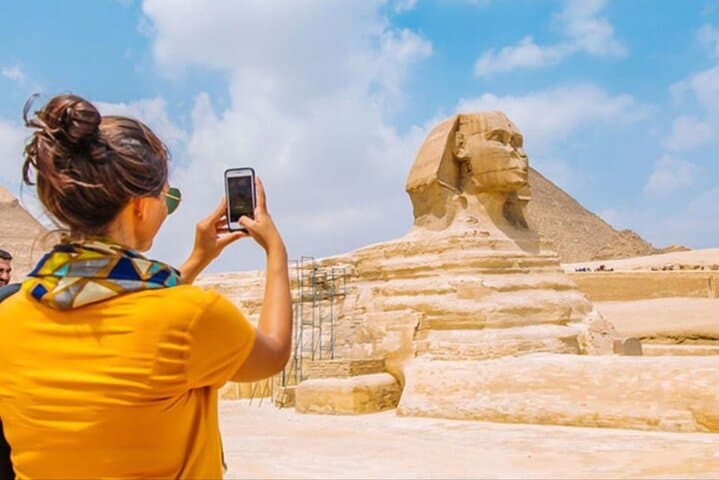
You step onto the Giza Plateau with wind that lifts grit against ancient stone; the three pyramids sit flat-backed against the horizon and the Sphinx watches traffic and tourists with the same inscrutable stillness it has kept for millennia.
Verified experiences and guided adventures in the surrounding area.
Operated by Egypt VIP Tours · Cairo, Cairo Governorate
You step onto the Giza Plateau with wind that lifts grit against ancient stone; the three pyramids sit flat-backed against the horizon and the Sphinx watches traffic and tourists with the same inscrutable stillness it has kept for millennia.
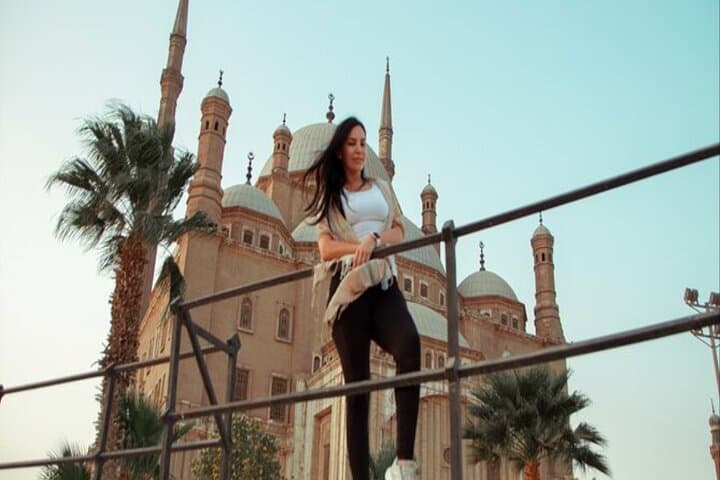
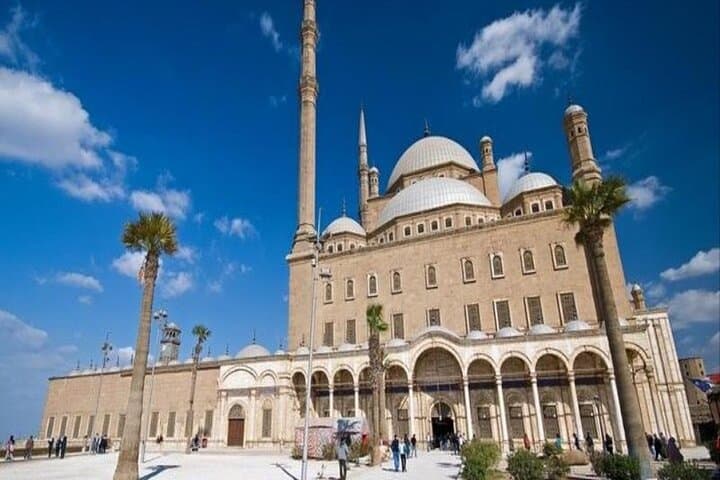
The route moves quickly from hard, sunbaked masonry to the narrow alleys of Islamic Cairo—minarets and carved woodwork rising above markets—and then into the cool, quieter courtyards of Coptic Cairo. Geology and human labor intersect here: the pyramids are primarily limestone quarried nearby, raised in a Bronze Age program of engineering and labor that predates the medieval Islamic architecture you’ll see by thousands of years.
Cairo’s Islamic quarter grew after the Fatimids in the 10th century; its mosques, sabils and madrasas reflect Mamluk and Ottoman patronage. Coptic Cairo preserves earlier Christian practice, with churches like the Hanging Church and the 4th‑century Church of St. Sergius showing continuity of worship through conquest and change.
Practicalities matter: this private tour runs about seven hours with hotel pick‑up, walking on uneven stone and cobbles, and intermittent vehicle transfers. Expect security checkpoints at major sites and bring ID for entry. Dress modestly for mosque visits, wear sturdy walking shoes, and plan to start early to avoid midday heat. Hydrate frequently and keep small local currency for entry fees, water and tips. The day balances open desert panoramas and intimate urban history—an efficient, single‑day cross-section of Egypt’s layered past.
easy.
7 hours.
Suitable for most fitness levels; expect several hours of walking and some short stairs.
This private itinerary includes admission to listed sites per the tour description, but confirm at booking since policies can change.
Yes—private pickup and drop-off from Cairo or Giza hotels is included in the tour package.
The tour is family-friendly; infants must sit on laps during transport and parents should account for extended walking and sun exposure.
Major sites have uneven surfaces and steps; some locations have limited wheelchair access—contact the operator to review specific accommodations.
The Giza pyramids date to the Fourth Dynasty (c. 2600–2500 BCE); Islamic Cairo expanded from the 10th century onward and contains Mamluk and Ottoman-era foundations, while Coptic sites preserve Christian practices from late antiquity.
High visitor volumes and urban pollution put pressure on ancient masonry and museum collections; stick to marked paths, avoid touching reliefs, and support local conservation efforts when possible.
Egypt VIP Tours operates guided outdoor trips and adventures with an emphasis on safety, stewardship, and memorable experiences.

You step onto the Giza Plateau with wind that lifts grit against ancient stone; the three pyramids sit flat-backed against the horizon and the Sphinx watches traffic and tourists with the same inscrutable stillness it has kept for millennia.
You step onto the Giza Plateau with wind that lifts grit against ancient stone; the three pyramids sit flat-backed against the horizon and the Sphinx watches traffic and tourists with the same inscrutable stillness it has kept for millennia.
The route moves quickly from hard, sunbaked masonry to the narrow alleys of Islamic Cairo—minarets and carved woodwork rising above markets—and then into the cool, quieter courtyards of Coptic Cairo. Geology and human labor intersect here: the pyramids are primarily limestone quarried nearby, raised in a Bronze Age program of engineering and labor that predates the medieval Islamic architecture you’ll see by thousands of years.
Cairo’s Islamic quarter grew after the Fatimids in the 10th century; its mosques, sabils and madrasas reflect Mamluk and Ottoman patronage. Coptic Cairo preserves earlier Christian practice, with churches like the Hanging Church and the 4th‑century Church of St. Sergius showing continuity of worship through conquest and change.
Practicalities matter: this private tour runs about seven hours with hotel pick‑up, walking on uneven stone and cobbles, and intermittent vehicle transfers. Expect security checkpoints at major sites and bring ID for entry. Dress modestly for mosque visits, wear sturdy walking shoes, and plan to start early to avoid midday heat. Hydrate frequently and keep small local currency for entry fees, water and tips. The day balances open desert panoramas and intimate urban history—an efficient, single‑day cross-section of Egypt’s layered past.