THE ADVENTURE COLLECTIVE® · Independent discovery and booking for outdoor travel

Race across the sandy apron of the Giza Plateau on a quad, ride a camel beneath the watchful Sphinx and visit the three pyramids with a private Egyptologist to cut through the crowds. Practical tips on timing, gear and etiquette help you make the most of this half-day, adventure-forward tour.
Race across the sandy apron of the Giza Plateau on a quad, ride a camel beneath the watchful Sphinx and visit the three pyramids with a private Egyptologist to cut through the crowds. Practical tips on timing, gear and etiquette help you make the most of this half-day, adventure-forward tour.
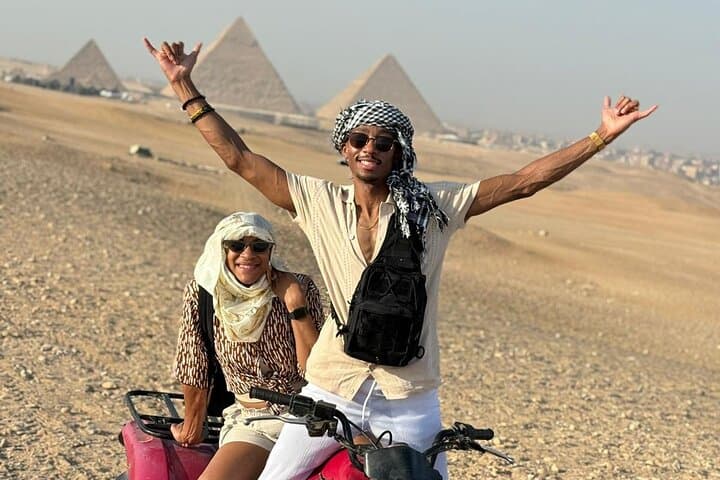
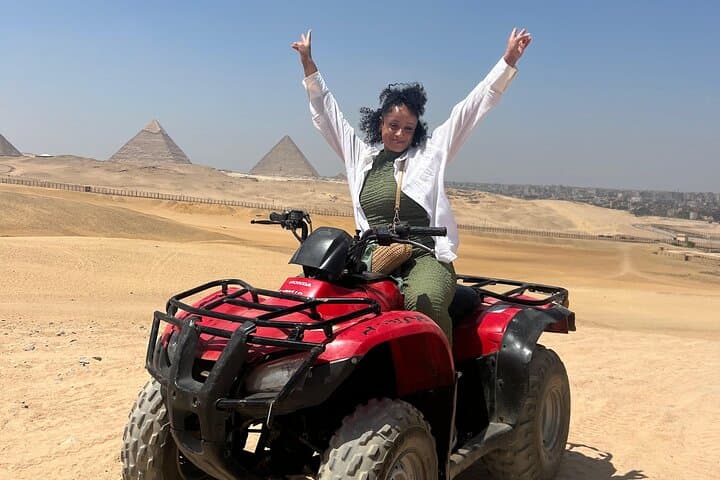
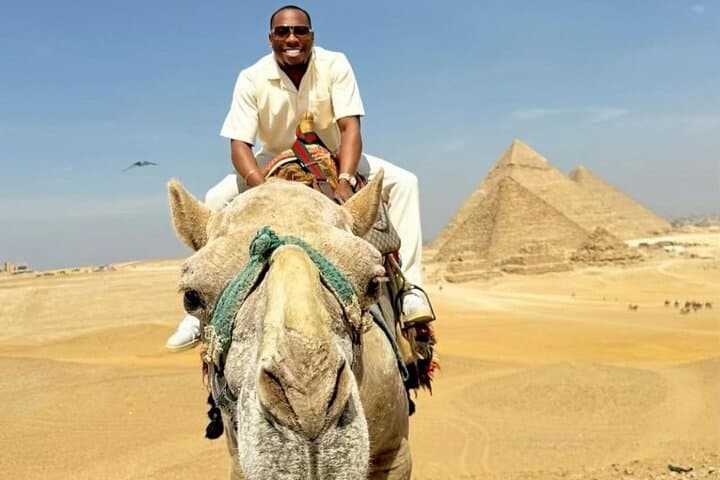
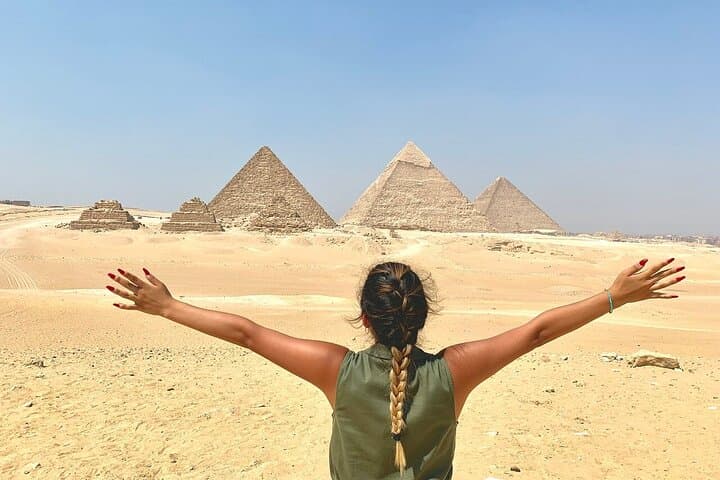
Dust lifts like a ledger as the quad charges across the flat apron of sand in front of the three great pyramids; the Sphinx watches with its half-smile as engines and hoofbeats cross a landscape that has held human ambition for millennia. This private half-day route pairs up-close views of Khufu, Khafre and Menkaure with a guided history brief, a one-hour ATV circuit around the plateau and a thirty-minute camel ride at a viewpoint ideal for photos.
Verified experiences and guided adventures in the surrounding area.
Operated by CGT Egypt Tours · Giza, Giza Governorate
Dust lifts like a ledger as the quad charges across the flat apron of sand in front of the three great pyramids; the Sphinx watches with its half-smile as engines and hoofbeats cross a landscape that has held human ambition for millennia. This private half-day route pairs up-close views of Khufu, Khafre and Menkaure with a guided history brief, a one-hour ATV circuit around the plateau and a thirty-minute camel ride at a viewpoint ideal for photos.
The plateau is limestone and wind-scoured sand over older bedrock; the pyramids themselves are built from millions of limestone blocks placed during the Fourth Dynasty (c. 2600–2500 BCE). Local guide commentary usually ties construction methods to the Nile’s ancient flood cycles and the funerary culture that shaped the surrounding necropolis.
Culturally, visitors should expect a bustling mix: souvenir sellers near the gates, curated bazaars arranged by the operator, and cordial interactions with handlers who know the animals. The private format minimizes the more persistent vendors and gives time to enter one smaller pyramid chamber, listen to Sphinx lore, and shoot photos from the plateau.
Practical guidance: bring a hat, high-SPF sunscreen and a refillable water bottle; sand and sun dominate. Wear closed-toe shoes for ATV stability and ask for a safety briefing before riding. Plan morning or late-afternoon departures to avoid mid-day heat and to catch the soft, angled light that improves photos. Respect handlers’ instructions around camels and follow the guide’s route to protect archaeological areas — the landscape is ancient and fragile, and small actions matter.
moderate.
6–7 hours.
Suitable for travelers with basic fitness: able to mount camels, handle brief ATV activity and walk short distances on uneven ground.
No — the operator provides a safety briefing and basic instruction; riders should be comfortable controlling a small quad for short circuits.
The itinerary often includes entry to a smaller pyramid or chamber; confirm availability when booking as space and permissions can change.
Children can participate but must be closely supervised; operators set age and weight limits, so check at booking and follow handlers' guidance.
This is a private tour with an Egyptologist and arranged stops; the guide helps navigate interactions and minimize pressure from sellers.
The Giza Plateau was developed in the Fourth Dynasty; Khufu’s Great Pyramid was constructed from roughly 2.3 million limestone blocks and dominated the ancient skyline.
The area faces wear from tourism and sand encroachment; stick to designated paths and follow guide instructions to limit damage to archaeological surfaces.
CGT Egypt Tours operates guided outdoor trips and adventures with an emphasis on safety, stewardship, and memorable experiences.
Dust lifts like a ledger as the quad charges across the flat apron of sand in front of the three great pyramids; the Sphinx watches with its half-smile as engines and hoofbeats cross a landscape that has held human ambition for millennia. This private half-day route pairs up-close views of Khufu, Khafre and Menkaure with a guided history brief, a one-hour ATV circuit around the plateau and a thirty-minute camel ride at a viewpoint ideal for photos.
Dust lifts like a ledger as the quad charges across the flat apron of sand in front of the three great pyramids; the Sphinx watches with its half-smile as engines and hoofbeats cross a landscape that has held human ambition for millennia. This private half-day route pairs up-close views of Khufu, Khafre and Menkaure with a guided history brief, a one-hour ATV circuit around the plateau and a thirty-minute camel ride at a viewpoint ideal for photos.
The plateau is limestone and wind-scoured sand over older bedrock; the pyramids themselves are built from millions of limestone blocks placed during the Fourth Dynasty (c. 2600–2500 BCE). Local guide commentary usually ties construction methods to the Nile’s ancient flood cycles and the funerary culture that shaped the surrounding necropolis.
Culturally, visitors should expect a bustling mix: souvenir sellers near the gates, curated bazaars arranged by the operator, and cordial interactions with handlers who know the animals. The private format minimizes the more persistent vendors and gives time to enter one smaller pyramid chamber, listen to Sphinx lore, and shoot photos from the plateau.
Practical guidance: bring a hat, high-SPF sunscreen and a refillable water bottle; sand and sun dominate. Wear closed-toe shoes for ATV stability and ask for a safety briefing before riding. Plan morning or late-afternoon departures to avoid mid-day heat and to catch the soft, angled light that improves photos. Respect handlers’ instructions around camels and follow the guide’s route to protect archaeological areas — the landscape is ancient and fragile, and small actions matter.