THE ADVENTURE COLLECTIVE® · Independent discovery and booking for outdoor travel

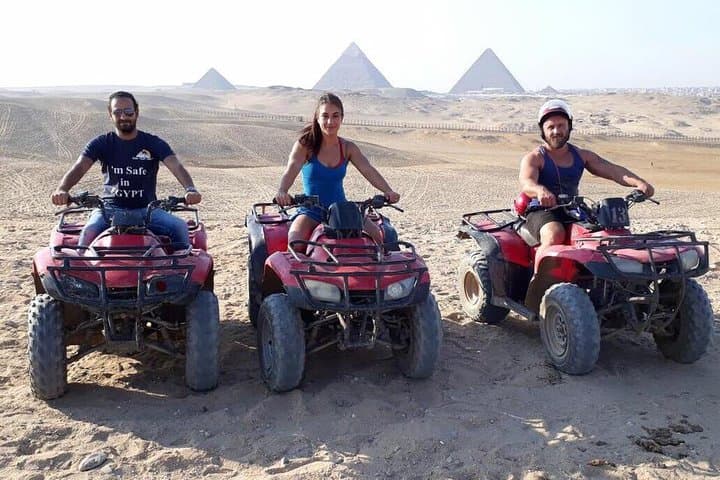
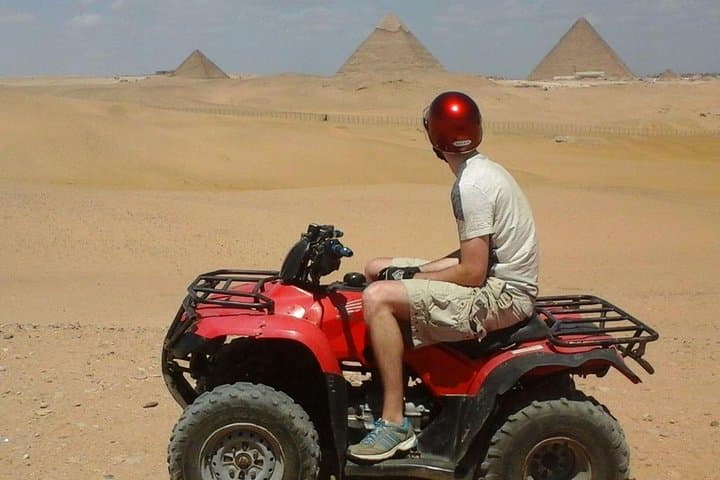
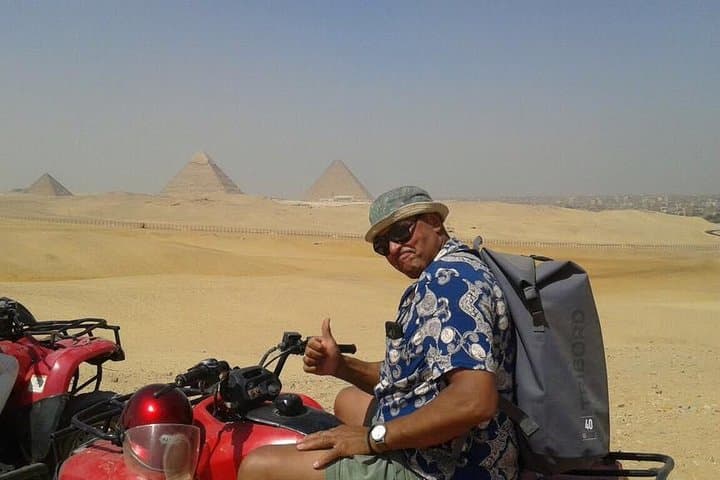
Race across the sands around the Giza Plateau on a quad, then slow to the rhythm of a camel as the pyramids glow at sunset. This four-hour combo mixes adrenaline with cultural perspective and practical comfort—ideal for an active, time-efficient visit.
Race across the sands around the Giza Plateau on a quad, then slow to the rhythm of a camel as the pyramids glow at sunset. This four-hour combo mixes adrenaline with cultural perspective and practical comfort—ideal for an active, time-efficient visit.
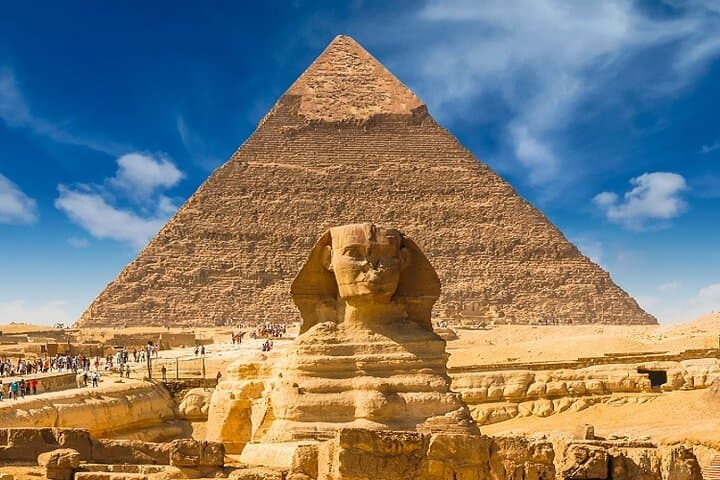
Late afternoon light carves long shadows across the plateau as the Great Pyramid stands rigid against a broad sky. You feel the desert push and pull beneath the quad’s wheels, then slow to a steady sway on a camel’s back—two speeds of the same ancient landscape.
Verified experiences and guided adventures in the surrounding area.
Operated by Koki Egypt Travel · Giza, Giza Governorate
Late afternoon light carves long shadows across the plateau as the Great Pyramid stands rigid against a broad sky. You feel the desert push and pull beneath the quad’s wheels, then slow to a steady sway on a camel’s back—two speeds of the same ancient landscape.
The Giza necropolis dates to Egypt’s Fourth Dynasty (c. 2600–2500 BC), when pharaohs raised the Great Pyramid, Khafre’s tomb and Menkaure’s smaller stonework. Geologically, the plateau is a raised limestone outcrop—the quarried stone visible in the pyramids’ cores—and the surrounding sands are reworked Nile silts and aeolian deposits that shift with seasonal winds.
Culturally, the camel ride touches a longstanding transport tradition while the quad-bike leg taps modern recreational appetite for desert terrain. Local guides often weave facts about the workers’ village, the Sphinx’s alignment and the seasonal cycles that shaped ancient Egypt’s agriculture.
Practical guidance: the tour runs about four hours with hotel pickup and entry fees included in many options. Expect one hour on a quad and one hour on a camel; the remainder covers transfers, short stops and photo time. Sunscreen, sturdy closed-toe shoes and a lightweight layer for cooling breezes after sunset are essential. Follow guide instructions for quad safety and keep water close in the heat. Aim for late afternoon to catch cooler air and a more dramatic light on the stones—sunset transforms the plateau and makes for the best photographs.
This combo balances adrenaline and quiet observation, giving you both the desert’s momentum and the measured pace of a camel’s stride.
moderate.
4 hours.
Basic fitness suited to short bursts of physical effort and stable balance on a quad and camel; not suitable for those with serious back or heart issues.
The tour typically includes one hour on a quad bike and one hour on a camel, with the remaining time for transfers, brief stops and photos—total around four hours.
No formal experience is required; instructors give a safety briefing and basic handling guidance, but you should be comfortable on uneven terrain and able to follow directions.
Not recommended for pregnant travelers or those with serious back, neck or cardiovascular conditions; always inform the operator of medical issues beforehand.
Late afternoon through sunset offers cooler temperatures and the most dramatic lighting on the pyramids, making it the preferred time for photographers.
The Giza complex was constructed during the Old Kingdom’s Fourth Dynasty and includes the Great Pyramid built for Khufu, Khafre’s pyramid with its complex, and Menkaure’s smaller tombs—sites central to ancient Egyptian funerary practice.
Visitor pressure challenges fragile desert and archaeological surfaces, so stick to marked paths, avoid climbing monuments and follow guide instructions to limit erosion and wear.
Koki Egypt Travel operates guided outdoor trips and adventures with an emphasis on safety, stewardship, and memorable experiences.
Late afternoon light carves long shadows across the plateau as the Great Pyramid stands rigid against a broad sky. You feel the desert push and pull beneath the quad’s wheels, then slow to a steady sway on a camel’s back—two speeds of the same ancient landscape.
Late afternoon light carves long shadows across the plateau as the Great Pyramid stands rigid against a broad sky. You feel the desert push and pull beneath the quad’s wheels, then slow to a steady sway on a camel’s back—two speeds of the same ancient landscape.
The Giza necropolis dates to Egypt’s Fourth Dynasty (c. 2600–2500 BC), when pharaohs raised the Great Pyramid, Khafre’s tomb and Menkaure’s smaller stonework. Geologically, the plateau is a raised limestone outcrop—the quarried stone visible in the pyramids’ cores—and the surrounding sands are reworked Nile silts and aeolian deposits that shift with seasonal winds.
Culturally, the camel ride touches a longstanding transport tradition while the quad-bike leg taps modern recreational appetite for desert terrain. Local guides often weave facts about the workers’ village, the Sphinx’s alignment and the seasonal cycles that shaped ancient Egypt’s agriculture.
Practical guidance: the tour runs about four hours with hotel pickup and entry fees included in many options. Expect one hour on a quad and one hour on a camel; the remainder covers transfers, short stops and photo time. Sunscreen, sturdy closed-toe shoes and a lightweight layer for cooling breezes after sunset are essential. Follow guide instructions for quad safety and keep water close in the heat. Aim for late afternoon to catch cooler air and a more dramatic light on the stones—sunset transforms the plateau and makes for the best photographs.
This combo balances adrenaline and quiet observation, giving you both the desert’s momentum and the measured pace of a camel’s stride.