THE ADVENTURE COLLECTIVE® · Independent discovery and booking for outdoor travel

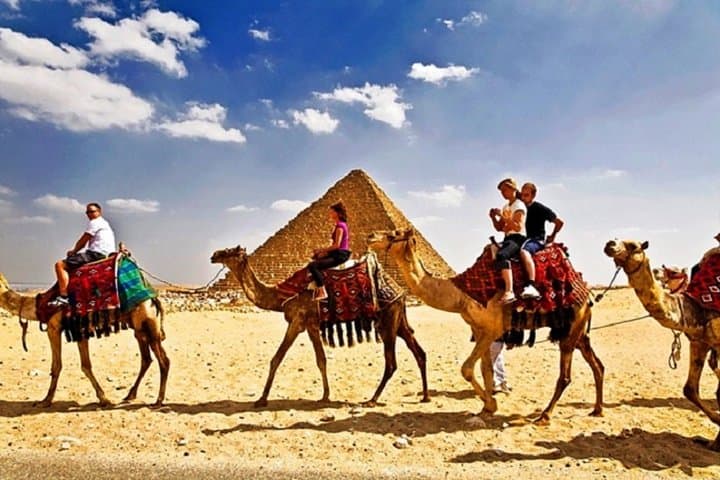
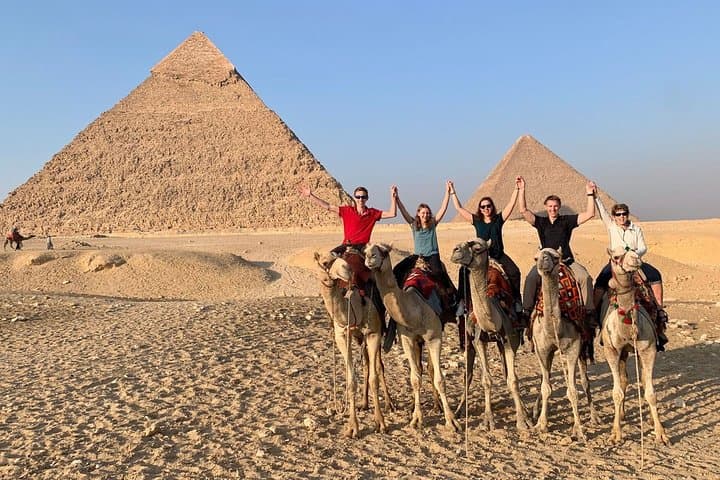
Combine high-rev quad riding and a gentle camel trek on the Giza Plateau for dramatic views of the pyramids and Sphinx. This 3–4 hour private excursion mixes desert riding with archaeological highlights and hotel pickup from Cairo.
Combine high-rev quad riding and a gentle camel trek on the Giza Plateau for dramatic views of the pyramids and Sphinx. This 3–4 hour private excursion mixes desert riding with archaeological highlights and hotel pickup from Cairo.
You step from the vehicle onto a low, wind-polished plateau and the pyramids rise like engineered mountains against a blue Cairo sky. Sand shifts underfoot; a warm breeze pushes grains against your boots and the Sphinx watches, unblinking. The smell of sun-warmed stone and engine oil mixes as guides fit helmets and a line of 250cc quads hums to life.
Verified experiences and guided adventures in the surrounding area.
Operated by Blue Tours · Giza, Giza Governorate
You step from the vehicle onto a low, wind-polished plateau and the pyramids rise like engineered mountains against a blue Cairo sky. Sand shifts underfoot; a warm breeze pushes grains against your boots and the Sphinx watches, unblinking. The smell of sun-warmed stone and engine oil mixes as guides fit helmets and a line of 250cc quads hums to life.
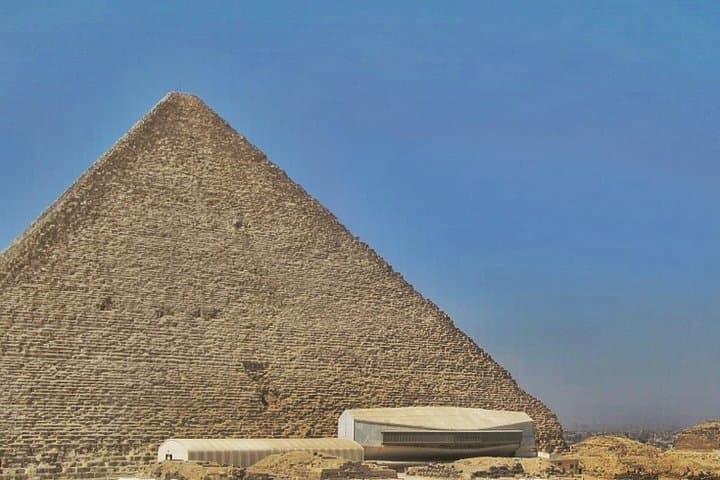
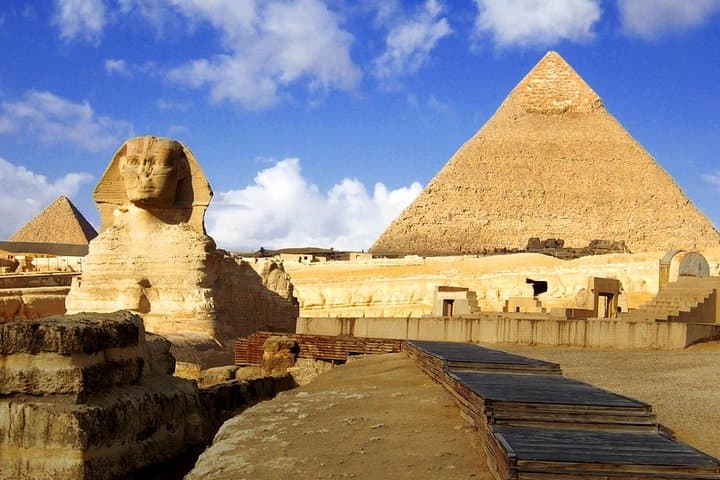
The Giza Plateau is both a manmade archive and a desert landscape. The Great Pyramid of Khufu dates to around 2560 BCE and dominates a field shaped by limestone geology and the Nile’s ancient sediment. The Sphinx, carved from bedrock in the age of Khafre, presides over a funerary complex that once included temples and causeways used in the mummification process.
Culturally, this is still a working place—local camel handlers, vendors, and guides keep the site alive. Geology is immediate: a ledge of hard limestone gives way to wind-sculpted dunes where quads cut shallow ruts. Expect brief climbs of 20–50 meters when you crest dunes for photos; overall elevation change is low but footing on dunes is loose.
Practically, pack sun protection, closed-toe shoes, and a hydration plan; the activity runs about 3–4 hours and includes a 1-hour quad session and a 30-minute camel ride. Operators provide helmets, bottled water, and pickup from Cairo hotels. Stay on designated routes, follow your guide’s instructions on machine handling, and avoid climbing monuments—both for preservation and safety. With a little respect and preparation, the combination of historical awe and desert motion makes for a compact, high-energy way to experience one of the world’s oldest landscapes.
moderate.
3–4 hours.
Moderate — you should be comfortable handling a quad for an hour and walking on uneven, sandy ground; not recommended for those with serious back or heart issues.
This tour’s itinerary notes admission to the Giza Plateau is included; access inside pyramids is typically not part of standard tours and may require a separate ticket.
Expect short periods of physical exertion: handling a quad for an hour, mounting/dismounting camels, and walking on sandy, uneven ground—moderate fitness recommended.
Yes — the tour lists hotel pickup and drop-off in Cairo as included in the service.
Children can join but operators often require they sit on laps for camels or meet minimum age/height limits for quads; check booking questions for age and passport details.
The Great Pyramid of Khufu was completed around 2560 BCE and served as a royal tomb; the Sphinx is associated with Pharaoh Khafre and stands beside his valley temple.
High visitor numbers stress the plateau; stay on approved routes, avoid touching carved stone, and follow local guides to reduce erosion and preserve site integrity.
Blue Tours operates guided outdoor trips and adventures with an emphasis on safety, stewardship, and memorable experiences.
You step from the vehicle onto a low, wind-polished plateau and the pyramids rise like engineered mountains against a blue Cairo sky. Sand shifts underfoot; a warm breeze pushes grains against your boots and the Sphinx watches, unblinking. The smell of sun-warmed stone and engine oil mixes as guides fit helmets and a line of 250cc quads hums to life.
You step from the vehicle onto a low, wind-polished plateau and the pyramids rise like engineered mountains against a blue Cairo sky. Sand shifts underfoot; a warm breeze pushes grains against your boots and the Sphinx watches, unblinking. The smell of sun-warmed stone and engine oil mixes as guides fit helmets and a line of 250cc quads hums to life.
The Giza Plateau is both a manmade archive and a desert landscape. The Great Pyramid of Khufu dates to around 2560 BCE and dominates a field shaped by limestone geology and the Nile’s ancient sediment. The Sphinx, carved from bedrock in the age of Khafre, presides over a funerary complex that once included temples and causeways used in the mummification process.
Culturally, this is still a working place—local camel handlers, vendors, and guides keep the site alive. Geology is immediate: a ledge of hard limestone gives way to wind-sculpted dunes where quads cut shallow ruts. Expect brief climbs of 20–50 meters when you crest dunes for photos; overall elevation change is low but footing on dunes is loose.
Practically, pack sun protection, closed-toe shoes, and a hydration plan; the activity runs about 3–4 hours and includes a 1-hour quad session and a 30-minute camel ride. Operators provide helmets, bottled water, and pickup from Cairo hotels. Stay on designated routes, follow your guide’s instructions on machine handling, and avoid climbing monuments—both for preservation and safety. With a little respect and preparation, the combination of historical awe and desert motion makes for a compact, high-energy way to experience one of the world’s oldest landscapes.