THE ADVENTURE COLLECTIVE® · Independent discovery and booking for outdoor travel

Walk into 4,500 years of history on a private Giza plateau tour that pairs pyramid interior entry, a panoramic Sphinx visit, and a camel ride for memorable photos. Expert Egyptologist guides and hotel pickup make this an efficient, immersive half-day adventure.
Walk into 4,500 years of history on a private Giza plateau tour that pairs pyramid interior entry, a panoramic Sphinx visit, and a camel ride for memorable photos. Expert Egyptologist guides and hotel pickup make this an efficient, immersive half-day adventure.
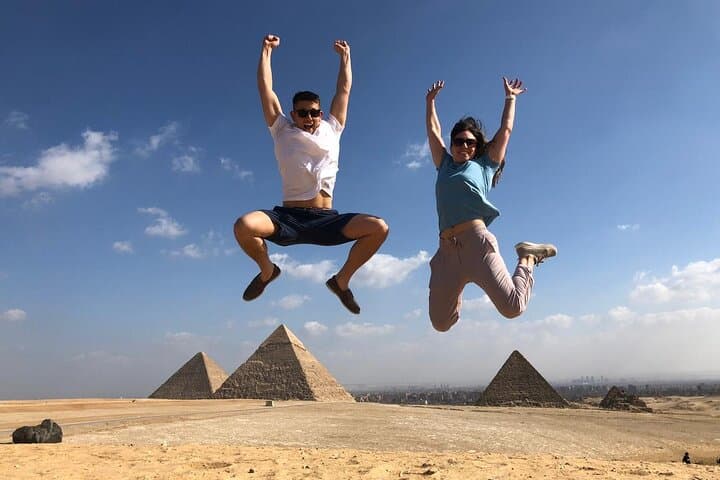
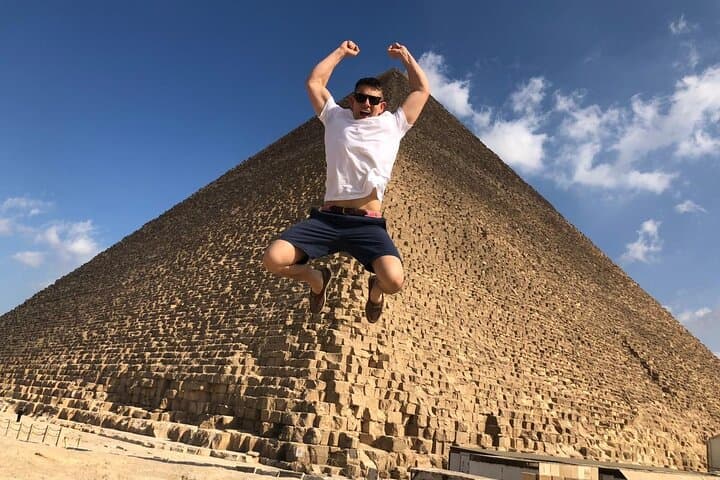
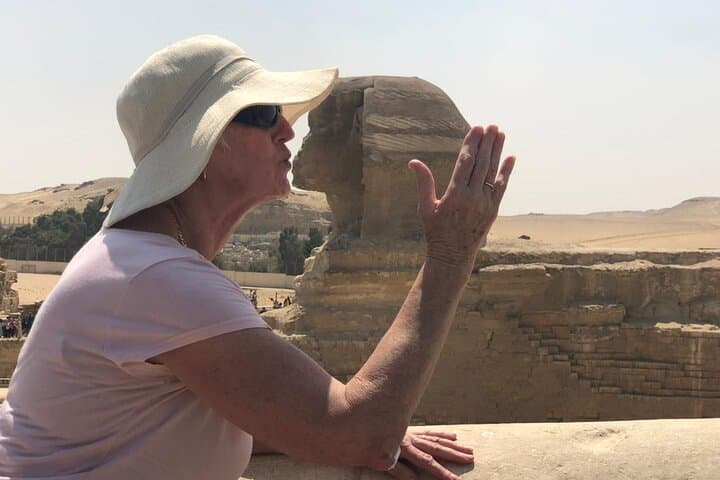
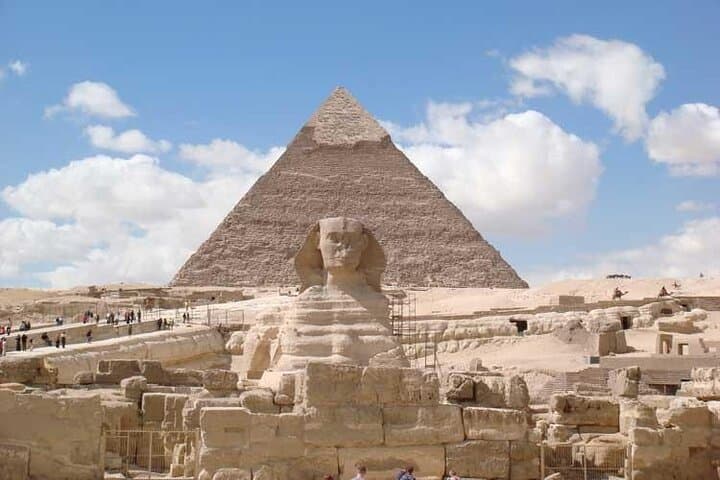
You step off the air-conditioned vehicle and the plateau opens: wind that has moved sand for millennia tugs at your clothing and dares you forward toward limestone faces rising from a flat, ochre plain. The three great pyramids—Khufu, Khafre, Menkaure—stand like engineered mountains, their edges catching hard sunlight while the Great Sphinx watches the horizon.
Verified experiences and guided adventures in the surrounding area.
Operated by Forever Egypt Tours · Giza, Giza Governorate
You step off the air-conditioned vehicle and the plateau opens: wind that has moved sand for millennia tugs at your clothing and dares you forward toward limestone faces rising from a flat, ochre plain. The three great pyramids—Khufu, Khafre, Menkaure—stand like engineered mountains, their edges catching hard sunlight while the Great Sphinx watches the horizon.
These monuments date to Egypt’s Old Kingdom (ca. 2600–2500 BCE), constructed as mortuary complexes for pharaohs and linked to funerary culture and solar theology. Geologically the plateau is a raised limestone shelf; ancient builders quarried locally for core blocks and imported finer Tura limestone for casing. Culturally, the site remains a living place: vendors, camel handlers, and guides translate millennia into stories and photographs.
Expect guided access to at least one interior passage if your ticket includes pyramid entry—claustrophobic, low-ceilinged corridors that feel cool compared with the bright desert. A panoramic photo stop puts all three pyramids in frame; a short camel ride gives a classic vantage and a rhythmic connection to the landscape.
Practical guidance: carry shade and water, protect skin and camera gear from grit, and plan for 4–5 hours including hotel pickup. Early morning or late afternoon visits reduce heat and harsh shadows for photos. Respect on-site rules, follow your Egyptologist’s route to avoid congested areas, and set aside local currency for tips and small purchases.
easy.
4–5 hours.
Suitable for most fitness levels; requires walking on uneven, sandy surfaces and short climbs up ramps and steps
Not always—this tour offers entry to one interior pyramid (options vary by ticket); confirm at booking which pyramid interior is included.
Camel rides are generally safe but require mounting assistance; they may not be suitable for guests with severe back issues or reduced mobility.
The full experience, including hotel pickup and drop-off, runs about 4–5 hours depending on traffic and group preferences.
Carry small Egyptian pounds in cash for tipping guides and vendors; credit cards are accepted at some locations but not for informal services like camel handlers.
The Giza necropolis was built during the Fourth Dynasty of the Old Kingdom as royal tomb complexes; Khufu’s pyramid remains the largest. These structures reflect early Egyptian advances in engineering, funerary ritual, and centralized labor organization.
Heavy visitation and basic erosion threaten surfaces and surrounding soil; Egyptian authorities limit certain interior entries and encourage guided routes to reduce wear, while visitors are asked to avoid climbing or touching sensitive stones.
Forever Egypt Tours operates guided outdoor trips and adventures with an emphasis on safety, stewardship, and memorable experiences.
You step off the air-conditioned vehicle and the plateau opens: wind that has moved sand for millennia tugs at your clothing and dares you forward toward limestone faces rising from a flat, ochre plain. The three great pyramids—Khufu, Khafre, Menkaure—stand like engineered mountains, their edges catching hard sunlight while the Great Sphinx watches the horizon.
You step off the air-conditioned vehicle and the plateau opens: wind that has moved sand for millennia tugs at your clothing and dares you forward toward limestone faces rising from a flat, ochre plain. The three great pyramids—Khufu, Khafre, Menkaure—stand like engineered mountains, their edges catching hard sunlight while the Great Sphinx watches the horizon.
These monuments date to Egypt’s Old Kingdom (ca. 2600–2500 BCE), constructed as mortuary complexes for pharaohs and linked to funerary culture and solar theology. Geologically the plateau is a raised limestone shelf; ancient builders quarried locally for core blocks and imported finer Tura limestone for casing. Culturally, the site remains a living place: vendors, camel handlers, and guides translate millennia into stories and photographs.
Expect guided access to at least one interior passage if your ticket includes pyramid entry—claustrophobic, low-ceilinged corridors that feel cool compared with the bright desert. A panoramic photo stop puts all three pyramids in frame; a short camel ride gives a classic vantage and a rhythmic connection to the landscape.
Practical guidance: carry shade and water, protect skin and camera gear from grit, and plan for 4–5 hours including hotel pickup. Early morning or late afternoon visits reduce heat and harsh shadows for photos. Respect on-site rules, follow your Egyptologist’s route to avoid congested areas, and set aside local currency for tips and small purchases.