THE ADVENTURE COLLECTIVE® · Independent discovery and booking for outdoor travel

Stand before the Great Pyramid, explore a royal chamber, and ride a camel across the plateau on a private, all‑inclusive Giza tour. Expert Egyptologist guides, skip‑the‑line access and practical tips make this a focused and accessible way to experience Egypt’s most iconic monuments.
Stand before the Great Pyramid, explore a royal chamber, and ride a camel across the plateau on a private, all‑inclusive Giza tour. Expert Egyptologist guides, skip‑the‑line access and practical tips make this a focused and accessible way to experience Egypt’s most iconic monuments.
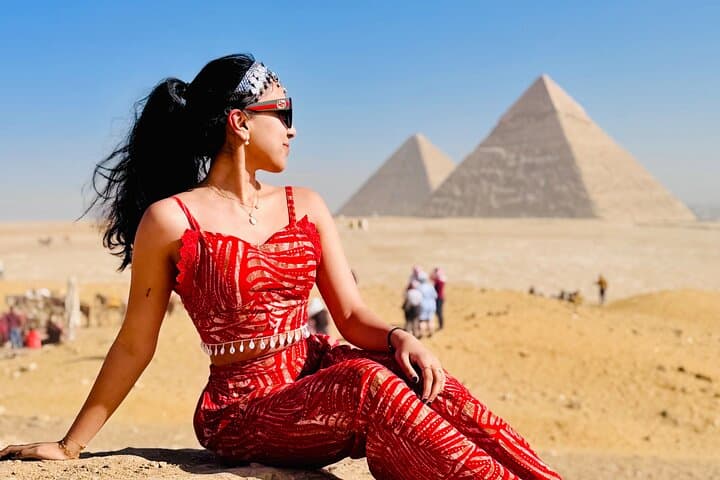
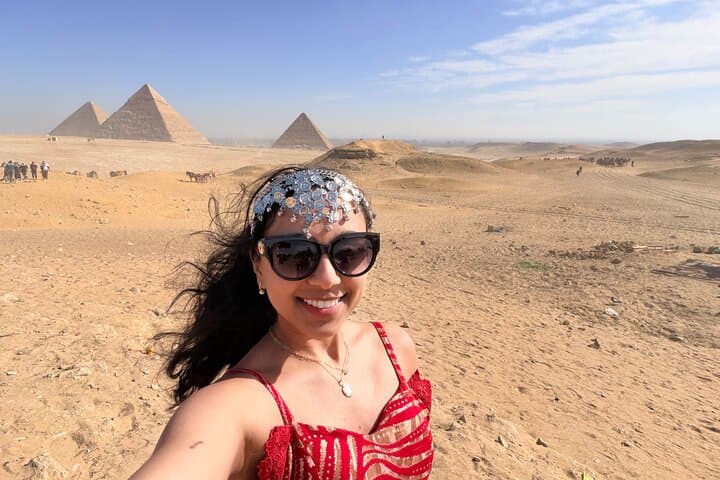
You step from the shaded van onto wind-scoured limestone and the desert opens into the silhouette of three giant triangles—the Great Pyramid, Khafre and Menkaure—rising against a hard blue sky. A single limestone slope seems to dare you forward while the Sphinx watches with an unreadable face; the air smells faintly of sunbaked stone and diesel from the service road.
Verified experiences and guided adventures in the surrounding area.
Operated by Cairo Portal Tours · Giza, Giza Governorate
You step from the shaded van onto wind-scoured limestone and the desert opens into the silhouette of three giant triangles—the Great Pyramid, Khafre and Menkaure—rising against a hard blue sky. A single limestone slope seems to dare you forward while the Sphinx watches with an unreadable face; the air smells faintly of sunbaked stone and diesel from the service road.
These monuments date to Egypt’s Fourth Dynasty (c. 2600–2500 BCE), carved and aligned with astronomical precision from local Tura and Giza limestone. The plateau is less a natural skyline and more the result of massive human engineering: blocks, ramps and labor organized to lift millions of tonnes into place. Around the pyramids, Bedouin and Cairo’s urban edge meet, producing a working landscape where camels, vendors and archaeological teams coexist.
On a private, all‑inclusive visit you’ll get Egyptologist commentary, skip‑the‑line access and the rare chance to enter one of the smaller royal chambers. Panoramic viewpoints give framed photos; an optional 30‑minute camel ride puts the monuments in motion behind you. Expect short walks on hard, uneven surfaces and sudden sun exposure—shade is limited.
Plan for midday heat by starting early or late afternoon, carry breathable sun protection and wear sturdy closed‑toe shoes for traction on loose gravel. Bring cash for small purchases and tip expectations; follow your guide’s routes to avoid sensitive excavation areas. With basic preparation, the Giza Plateau is an accessible, unforgettable crash course in ancient engineering and lived desert culture.
easy.
4–5 hours.
Suitable for most fitness levels; requires short walks on uneven ground and standing during explanations.
Access to the Great Pyramid interior is limited and often closed; many tours include entry to smaller royal chambers or a separate pyramid when interior access is available.
Camel rides are run by local operators and can be safe when using experienced handlers; confirm the duration and price in advance and avoid rides after dusk.
The tour lists wheelchair‑accessible transportation, but the plateau itself has uneven surfaces and interior pyramid passages are not accessible—consult the operator for specific accommodations.
Tipping is customary—expect to tip your Egyptologist guide and driver separately; typical amounts vary by group size and service quality, but small cash tips are appreciated.
The Giza complex was constructed in the Fourth Dynasty (c. 2600–2500 BCE) as a funerary landscape for pharaohs and remains central to studies of ancient Egyptian statecraft and engineering.
Visitor pressure, pollution and erosion threaten the plateau; staying on designated routes, avoiding graffiti and following guide directions helps protect fragile stone and ongoing excavations.
Cairo Portal Tours operates guided outdoor trips and adventures with an emphasis on safety, stewardship, and memorable experiences.

You step from the shaded van onto wind-scoured limestone and the desert opens into the silhouette of three giant triangles—the Great Pyramid, Khafre and Menkaure—rising against a hard blue sky. A single limestone slope seems to dare you forward while the Sphinx watches with an unreadable face; the air smells faintly of sunbaked stone and diesel from the service road.
You step from the shaded van onto wind-scoured limestone and the desert opens into the silhouette of three giant triangles—the Great Pyramid, Khafre and Menkaure—rising against a hard blue sky. A single limestone slope seems to dare you forward while the Sphinx watches with an unreadable face; the air smells faintly of sunbaked stone and diesel from the service road.
These monuments date to Egypt’s Fourth Dynasty (c. 2600–2500 BCE), carved and aligned with astronomical precision from local Tura and Giza limestone. The plateau is less a natural skyline and more the result of massive human engineering: blocks, ramps and labor organized to lift millions of tonnes into place. Around the pyramids, Bedouin and Cairo’s urban edge meet, producing a working landscape where camels, vendors and archaeological teams coexist.
On a private, all‑inclusive visit you’ll get Egyptologist commentary, skip‑the‑line access and the rare chance to enter one of the smaller royal chambers. Panoramic viewpoints give framed photos; an optional 30‑minute camel ride puts the monuments in motion behind you. Expect short walks on hard, uneven surfaces and sudden sun exposure—shade is limited.
Plan for midday heat by starting early or late afternoon, carry breathable sun protection and wear sturdy closed‑toe shoes for traction on loose gravel. Bring cash for small purchases and tip expectations; follow your guide’s routes to avoid sensitive excavation areas. With basic preparation, the Giza Plateau is an accessible, unforgettable crash course in ancient engineering and lived desert culture.