THE ADVENTURE COLLECTIVE® · Independent discovery and booking for outdoor travel

Stand on the Giza Plateau where geometry and wind meet: see the Great Pyramid up close, visit the Sphinx, and opt for a camel ride to a dramatic photo point. This 3–4 hour private tour combines multiple viewpoints with practical tips for visiting safely and respectfully.
Stand on the Giza Plateau where geometry and wind meet: see the Great Pyramid up close, visit the Sphinx, and opt for a camel ride to a dramatic photo point. This 3–4 hour private tour combines multiple viewpoints with practical tips for visiting safely and respectfully.
You step onto the plateau and the stone blocks alter the angle of the light—heat and history press in simultaneously. The Great Pyramid rises with deliberate geometry; wind teases coarse sand across the path and the Sphinx watches with a weathered, unblinking gaze. Guides direct foot traffic, vendors call softly, and the line of smaller queens' pyramids stages a low, steady horizon.
Verified experiences and guided adventures in the surrounding area.
Operated by nonaegypt · Giza, Giza Governorate
You step onto the plateau and the stone blocks alter the angle of the light—heat and history press in simultaneously. The Great Pyramid rises with deliberate geometry; wind teases coarse sand across the path and the Sphinx watches with a weathered, unblinking gaze. Guides direct foot traffic, vendors call softly, and the line of smaller queens' pyramids stages a low, steady horizon.
The site dates to the Old Kingdom (c. 2600–2500 BCE), when Khufu’s engineers raised the Great Pyramid from bedrock by hauling and placing millions of limestone and granite blocks. The plateau itself sits on a limestone outcrop created during the Tertiary; erosion exposed hard beds that made the site usable for monumental building. Culturally, Giza has been a point of pilgrimage, colonial study, and modern tourism; the local economy depends on careful access and sustainable visitor flow.
Practical guidance: tours run 3–4 hours and include multiple viewpoints, an approach to the largest pyramid, and a stop at the Sphinx; an optional camel ride reaches a panoramic photo plateau. Wear closed walking shoes for uneven limestone and sand, bring sun protection and plenty of water (bottled water is usually provided), and carry ID or a passport—sites enforce checks for inner-chamber access. Photography is allowed but avoid climbing on monuments; entry to some interior chambers is limited and may require additional permits.
Plan morning or late afternoon visits to avoid peak sun and crowds. With a guide, the plateau becomes legible: each shaft, statue, and tomb slot into a story of ancient statecraft and engineering that still shapes the desert’s silhouette.
easy.
3–4 hours.
Suitable for most fitness levels; requires walking on uneven ground and short stretches of standing, some slopes and sand.
Expect 3–4 hours on the plateau with multiple stops: viewpoints, approach to the Great Pyramid, optional inside visit to a smaller pyramid, and the Sphinx.
Standard private tours typically include access to the Giza Plateau and certain interior chambers when available, but inner-chamber entry can be limited and may require separate permits or fees.
Camel rides are usually optional; some packages include them but many offer them as an add-on—confirm before booking and agree on price if included locally.
The plateau is walkable but uneven; infants must sit on laps per operator rules. Mobility issues can limit access to some areas and interior chambers—discuss needs with your operator for tailored pickup and routes.
The Great Pyramid was built for Pharaoh Khufu around 2560 BCE; the Sphinx and Khafre’s complexes date from the same Old Kingdom era and reflect funerary landscape planning.
The site is managed by Egyptian antiquities authorities; visitors should stay on designated paths, avoid touching fragile masonry, and respect restrictions to limit erosion and wear on ancient stones.
nonaegypt operates guided outdoor trips and adventures with an emphasis on safety, stewardship, and memorable experiences.
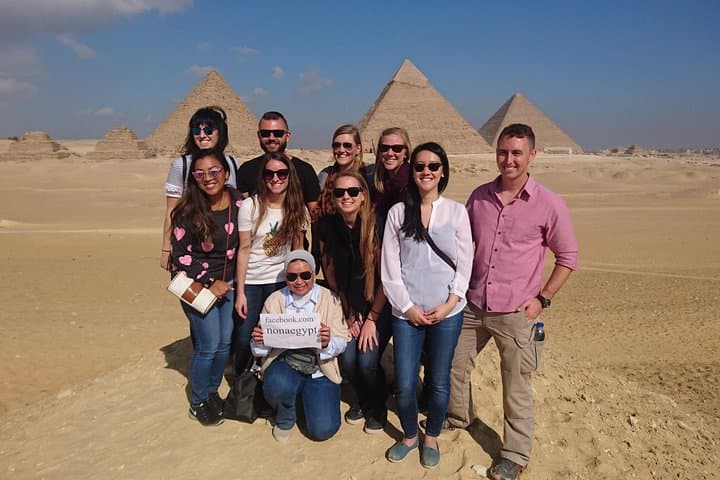
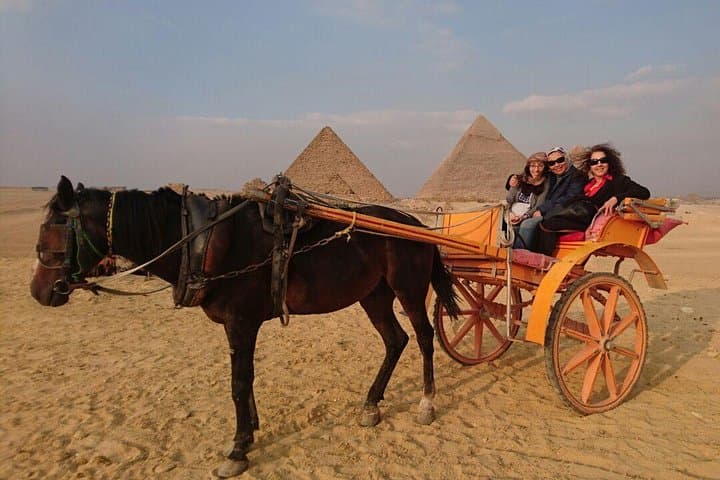
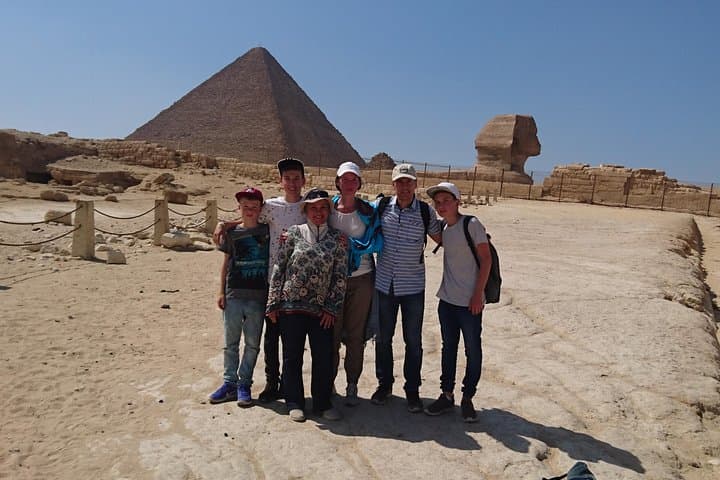

You step onto the plateau and the stone blocks alter the angle of the light—heat and history press in simultaneously. The Great Pyramid rises with deliberate geometry; wind teases coarse sand across the path and the Sphinx watches with a weathered, unblinking gaze. Guides direct foot traffic, vendors call softly, and the line of smaller queens' pyramids stages a low, steady horizon.
You step onto the plateau and the stone blocks alter the angle of the light—heat and history press in simultaneously. The Great Pyramid rises with deliberate geometry; wind teases coarse sand across the path and the Sphinx watches with a weathered, unblinking gaze. Guides direct foot traffic, vendors call softly, and the line of smaller queens' pyramids stages a low, steady horizon.
The site dates to the Old Kingdom (c. 2600–2500 BCE), when Khufu’s engineers raised the Great Pyramid from bedrock by hauling and placing millions of limestone and granite blocks. The plateau itself sits on a limestone outcrop created during the Tertiary; erosion exposed hard beds that made the site usable for monumental building. Culturally, Giza has been a point of pilgrimage, colonial study, and modern tourism; the local economy depends on careful access and sustainable visitor flow.
Practical guidance: tours run 3–4 hours and include multiple viewpoints, an approach to the largest pyramid, and a stop at the Sphinx; an optional camel ride reaches a panoramic photo plateau. Wear closed walking shoes for uneven limestone and sand, bring sun protection and plenty of water (bottled water is usually provided), and carry ID or a passport—sites enforce checks for inner-chamber access. Photography is allowed but avoid climbing on monuments; entry to some interior chambers is limited and may require additional permits.
Plan morning or late afternoon visits to avoid peak sun and crowds. With a guide, the plateau becomes legible: each shaft, statue, and tomb slot into a story of ancient statecraft and engineering that still shapes the desert’s silhouette.