THE ADVENTURE COLLECTIVE® · Independent discovery and booking for outdoor travel

See the Great Pyramid up close on a private guided visit that pairs a short camel ride, Sphinx photos, and a local lunch. This 4–8 hour tour combines easy walking on the Giza plateau with expert local insights and practical service like private transport and included lunch.
See the Great Pyramid up close on a private guided visit that pairs a short camel ride, Sphinx photos, and a local lunch. This 4–8 hour tour combines easy walking on the Giza plateau with expert local insights and practical service like private transport and included lunch.
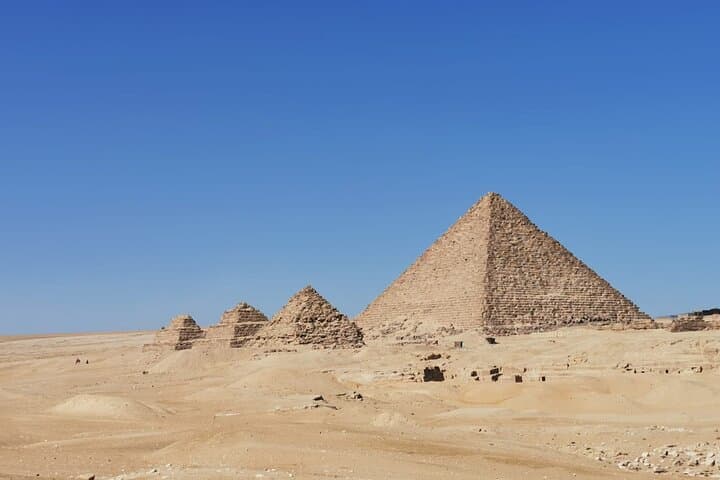
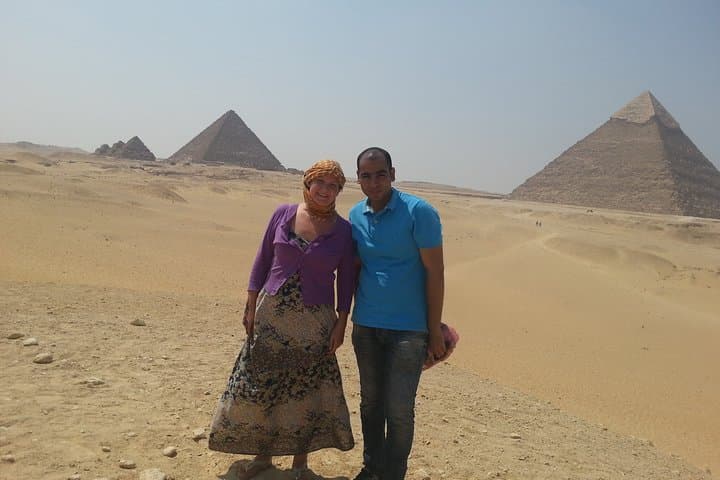
Sand presses against the wheel wells as the air-conditioned van hums toward the plateau; the desert opens like a page and, at its center, the pyramids insist on being seen. Approaching Khufu’s massive silhouette, the scale registers slowly — each dressed block a measured argument against time — while the Sphinx watches the road and the dust devils that dare to cross it.
Verified experiences and guided adventures in the surrounding area.
Operated by Bastet Tours · Giza, Giza Governorate
Sand presses against the wheel wells as the air-conditioned van hums toward the plateau; the desert opens like a page and, at its center, the pyramids insist on being seen. Approaching Khufu’s massive silhouette, the scale registers slowly — each dressed block a measured argument against time — while the Sphinx watches the road and the dust devils that dare to cross it.
These monuments trace back to Egypt’s Old Kingdom (circa 26th century BCE), when royal tombs were engineered from limestone and granite hauled across the Nile. The plateau’s geology is simple: a raised band of limestone and bedrock that made large-scale construction feasible and now yields sharp views over Greater Cairo. Local culture around Giza mixes long-standing souvenir trade, Coptic and Islamic urban life, and the ritual of tea shared among guides and vendors.
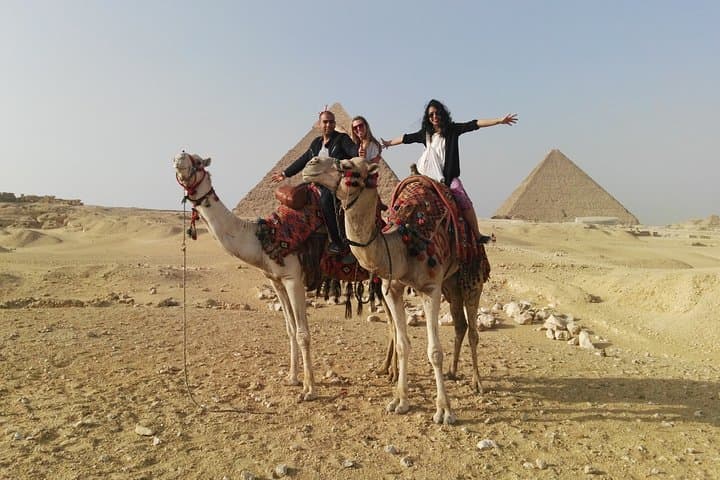
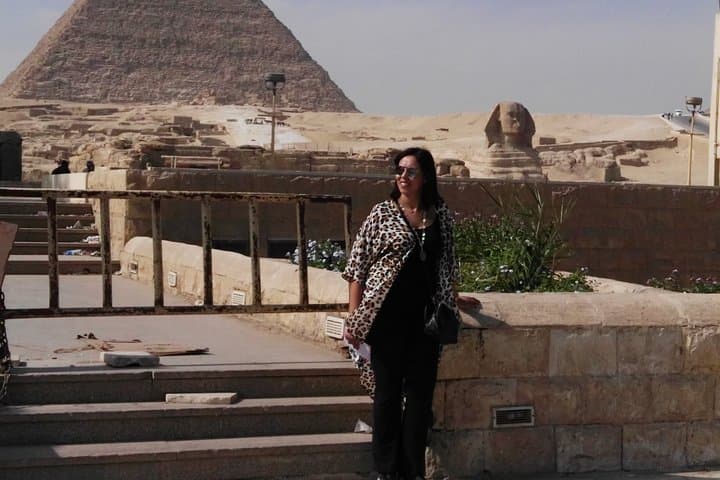
On this private, 4–8 hour outing expect guided access to the plateau, a short camel loop around the pyramids (typically 20 minutes), photo stops at the Sphinx, and lunch at a local restaurant. Walks are short but across uneven stone, loose sand, and heat-reflecting surfaces; wear sturdy shoes and sun protection. Bring small bills for tips and souvenirs; practice respectful photography near locals and religious sites. Timing matters: early morning or late afternoon light flattens the heat and sharpens shadows for photos. Stay on designated paths, listen to your guide about restricted areas, and remember that these stones are fragile — look, don’t touch.
easy.
4–8 hours.
Suitable for most fitness levels; requires short walks on uneven ground and mounting a camel for a brief ride.
The tour covers access to the Giza plateau and typical viewpoint stops; access inside specific pyramid chambers may require a separate ticket—confirm with the operator before booking.
The camel ride included on this itinerary is a short loop around the pyramids, approximately 20 minutes, intended for photos and a desert experience rather than long-distance travel.
Vehicles and some staging areas are wheelchair accessible, but the plateau terrain is uneven and access to certain monuments may be limited—notify the operator in advance to plan accommodations.
Early morning or late afternoon offers cooler temperatures and better light for photography; midday can be hot and harsh for extended outdoor time.
The Great Pyramid (Khufu) dates to the 4th Dynasty (~2560 BCE) and was constructed from local limestone and imported granite; the Sphinx has been associated with pharaonic funerary complexes and later restorations.
Preservation efforts limit where tourists can walk and prohibit touching soft stone; stay on marked areas, avoid flash photography near ancient reliefs, and follow your guide to minimize impact.
Bastet Tours operates guided outdoor trips and adventures with an emphasis on safety, stewardship, and memorable experiences.
Sand presses against the wheel wells as the air-conditioned van hums toward the plateau; the desert opens like a page and, at its center, the pyramids insist on being seen. Approaching Khufu’s massive silhouette, the scale registers slowly — each dressed block a measured argument against time — while the Sphinx watches the road and the dust devils that dare to cross it.
Sand presses against the wheel wells as the air-conditioned van hums toward the plateau; the desert opens like a page and, at its center, the pyramids insist on being seen. Approaching Khufu’s massive silhouette, the scale registers slowly — each dressed block a measured argument against time — while the Sphinx watches the road and the dust devils that dare to cross it.
These monuments trace back to Egypt’s Old Kingdom (circa 26th century BCE), when royal tombs were engineered from limestone and granite hauled across the Nile. The plateau’s geology is simple: a raised band of limestone and bedrock that made large-scale construction feasible and now yields sharp views over Greater Cairo. Local culture around Giza mixes long-standing souvenir trade, Coptic and Islamic urban life, and the ritual of tea shared among guides and vendors.
On this private, 4–8 hour outing expect guided access to the plateau, a short camel loop around the pyramids (typically 20 minutes), photo stops at the Sphinx, and lunch at a local restaurant. Walks are short but across uneven stone, loose sand, and heat-reflecting surfaces; wear sturdy shoes and sun protection. Bring small bills for tips and souvenirs; practice respectful photography near locals and religious sites. Timing matters: early morning or late afternoon light flattens the heat and sharpens shadows for photos. Stay on designated paths, listen to your guide about restricted areas, and remember that these stones are fragile — look, don’t touch.