THE ADVENTURE COLLECTIVE® · Independent discovery and booking for outdoor travel

Spend a private half-day on the Giza Plateau combining archaeological highlights with desert action: a guided visit to the pyramids, a camel circuit, an hour of ATV quad-biking and a stop for authentic Egyptian shopping and lunch. Practical planning notes help you make the most of cooler morning light and sandy terrain.
Spend a private half-day on the Giza Plateau combining archaeological highlights with desert action: a guided visit to the pyramids, a camel circuit, an hour of ATV quad-biking and a stop for authentic Egyptian shopping and lunch. Practical planning notes help you make the most of cooler morning light and sandy terrain.
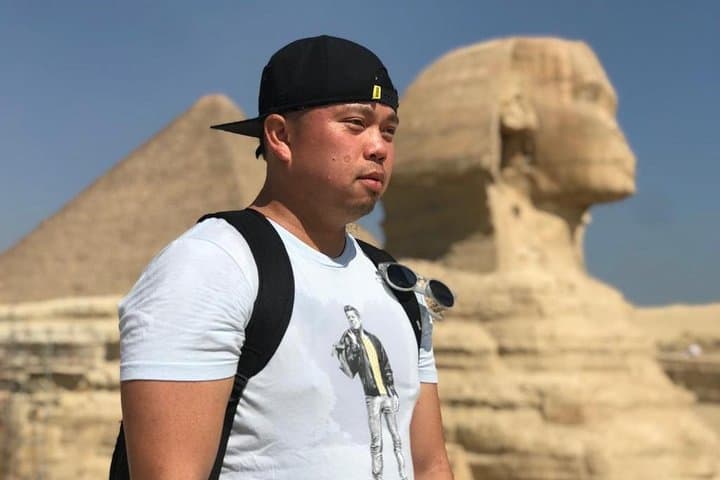
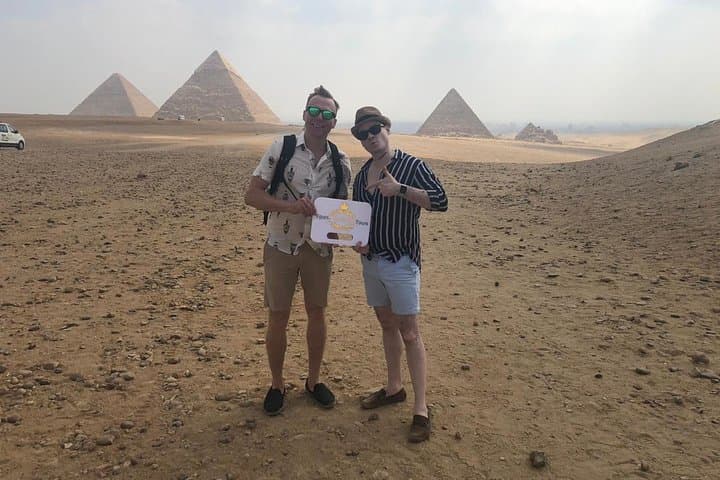
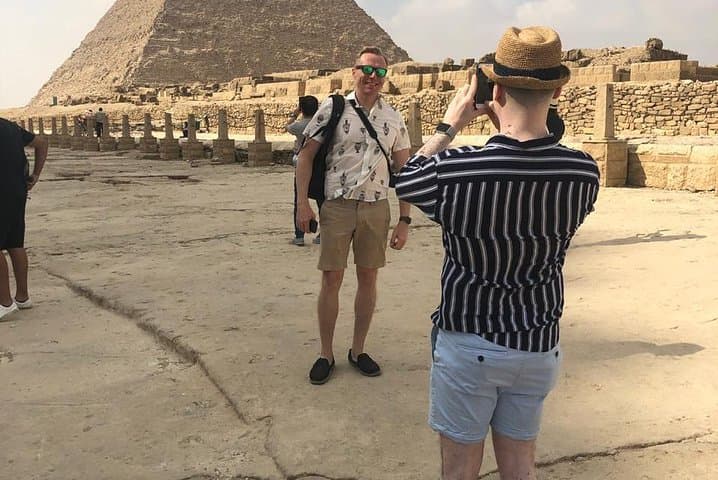
A low sun throws long shadows across the Giza Plateau as a private vehicle deposits the group at the edge of ancient stone. The three pyramids — Khufu (Cheops), Khafre (Chephren) and Menkaure — dominate the sweep of desert; the Sphinx watches, wind-abraded, as sand and time continue their quiet work. The air smells faintly of dust and diesel, the desert daring you forward with open, rolling space.
Verified experiences and guided adventures in the surrounding area.
Operated by Egypt Royal Tours · Giza, Giza Governorate
A low sun throws long shadows across the Giza Plateau as a private vehicle deposits the group at the edge of ancient stone. The three pyramids — Khufu (Cheops), Khafre (Chephren) and Menkaure — dominate the sweep of desert; the Sphinx watches, wind-abraded, as sand and time continue their quiet work. The air smells faintly of dust and diesel, the desert daring you forward with open, rolling space.
The plateau is limestone and desert pavement, formed as the Nile once shaped and retreated across this plain. Khufu’s Great Pyramid is the last standing of the classical Seven Wonders and is surrounded by smaller funerary structures: valley temples, causeways and workers’ cemeteries that speak to the logistics of ancient statecraft. Modern culture here mixes showmanship and craft — papyrus workshops, cotton ateliers and bazaars that trade in replicas, spices and stories.
On this private half-day itinerary expect a guided walkthrough of primary monuments, a roughly 45-minute camel circuit around the pyramids, and a one-hour ATV stretch into adjacent dunes, plus a sit-down Egyptian lunch and curated shopping stops. Terrain alternates between packed sand, loose windblown dunes and paved terraces at monument entrances. Guides will advise camera angles, safe distances from monuments and basic etiquette around religious sites and vendors.
Practical notes: rise early for cooler light, carry sun protection and a refillable water bottle, wear closed-toe shoes for ATV and sandy approaches, and budget time for traffic back to Cairo. Respect site rules — climbing is prohibited — and leave no trace of your passage on these millennia-old stones.
moderate.
5–6 hours.
Should be comfortable walking on uneven sand for short periods and mounting a camel or quad; basic mobility required.
The private itinerary runs about 5–6 hours; most departures are morning to avoid the hottest part of the day and to catch better light on the monuments.
Camel rides involve mounting and a bouncy gait; travelers with significant spinal issues should avoid the ride or notify the operator for alternatives.
Main entry to the Giza Plateau is listed as included, but access to internal chambers (e.g., Pyramid interior) usually requires separate tickets purchased on-site.
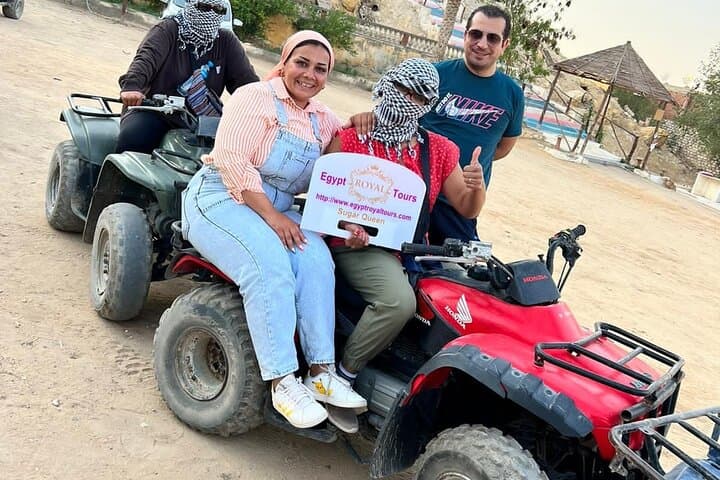
ATV sessions are typically in controlled desert loops and guided by staff; riders should follow instructions, wear closed-toe shoes, and disclose any motorcycle experience limits to the provider.
The Giza Plateau holds the 4th-Dynasty pyramids (around 2580–2500 BCE) and the Sphinx, linked to royal funerary complexes and ancient Nile logistics that shaped Egyptian state construction.
Visitors should stay on designated paths, avoid touching carved stone, and support local conservation by choosing guides who follow site regulations and use licensed vendors.
Egypt Royal Tours operates guided outdoor trips and adventures with an emphasis on safety, stewardship, and memorable experiences.
A low sun throws long shadows across the Giza Plateau as a private vehicle deposits the group at the edge of ancient stone. The three pyramids — Khufu (Cheops), Khafre (Chephren) and Menkaure — dominate the sweep of desert; the Sphinx watches, wind-abraded, as sand and time continue their quiet work. The air smells faintly of dust and diesel, the desert daring you forward with open, rolling space.
A low sun throws long shadows across the Giza Plateau as a private vehicle deposits the group at the edge of ancient stone. The three pyramids — Khufu (Cheops), Khafre (Chephren) and Menkaure — dominate the sweep of desert; the Sphinx watches, wind-abraded, as sand and time continue their quiet work. The air smells faintly of dust and diesel, the desert daring you forward with open, rolling space.
The plateau is limestone and desert pavement, formed as the Nile once shaped and retreated across this plain. Khufu’s Great Pyramid is the last standing of the classical Seven Wonders and is surrounded by smaller funerary structures: valley temples, causeways and workers’ cemeteries that speak to the logistics of ancient statecraft. Modern culture here mixes showmanship and craft — papyrus workshops, cotton ateliers and bazaars that trade in replicas, spices and stories.
On this private half-day itinerary expect a guided walkthrough of primary monuments, a roughly 45-minute camel circuit around the pyramids, and a one-hour ATV stretch into adjacent dunes, plus a sit-down Egyptian lunch and curated shopping stops. Terrain alternates between packed sand, loose windblown dunes and paved terraces at monument entrances. Guides will advise camera angles, safe distances from monuments and basic etiquette around religious sites and vendors.
Practical notes: rise early for cooler light, carry sun protection and a refillable water bottle, wear closed-toe shoes for ATV and sandy approaches, and budget time for traffic back to Cairo. Respect site rules — climbing is prohibited — and leave no trace of your passage on these millennia-old stones.