THE ADVENTURE COLLECTIVE® · Independent discovery and booking for outdoor travel

Spend a full day exploring the Giza Plateau, Saqqara and ancient Memphis with a private Egyptologist guide. This 6–8 hour tour includes hotel transfer, many entrance fees, and in-depth context at each site—ideal for first-time visitors who want the highlights efficiently.
Spend a full day exploring the Giza Plateau, Saqqara and ancient Memphis with a private Egyptologist guide. This 6–8 hour tour includes hotel transfer, many entrance fees, and in-depth context at each site—ideal for first-time visitors who want the highlights efficiently.
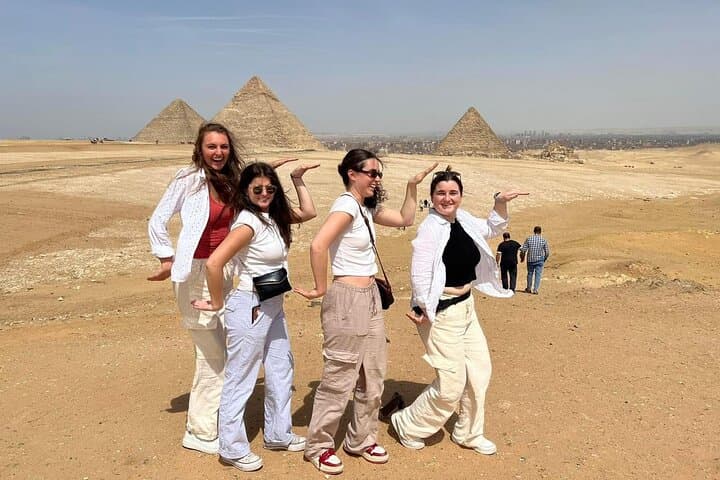
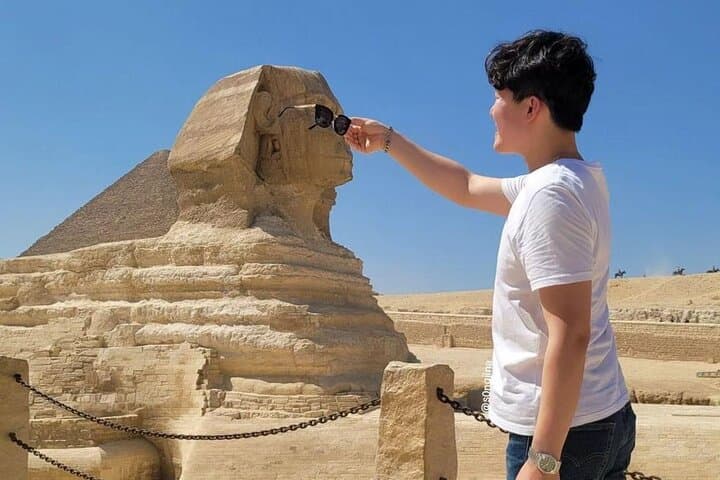
You arrive on the Giza Plateau with the city shrinking behind you and the desert wind already at work, lifting grains of sand that streak across the limestone like a slow curtain. The three great pyramids puncture the horizon, their faces catching sun and shadow, while the Sphinx looks eastward as if daring the Nile sunrise to wake the ancient capital.
Verified experiences and guided adventures in the surrounding area.
Operated by Kemet Grand Tours · Giza, Giza Governorate
You arrive on the Giza Plateau with the city shrinking behind you and the desert wind already at work, lifting grains of sand that streak across the limestone like a slow curtain. The three great pyramids puncture the horizon, their faces catching sun and shadow, while the Sphinx looks eastward as if daring the Nile sunrise to wake the ancient capital.
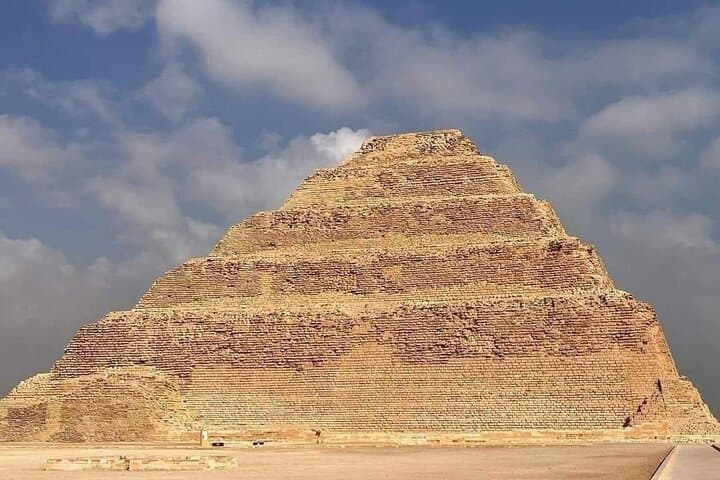
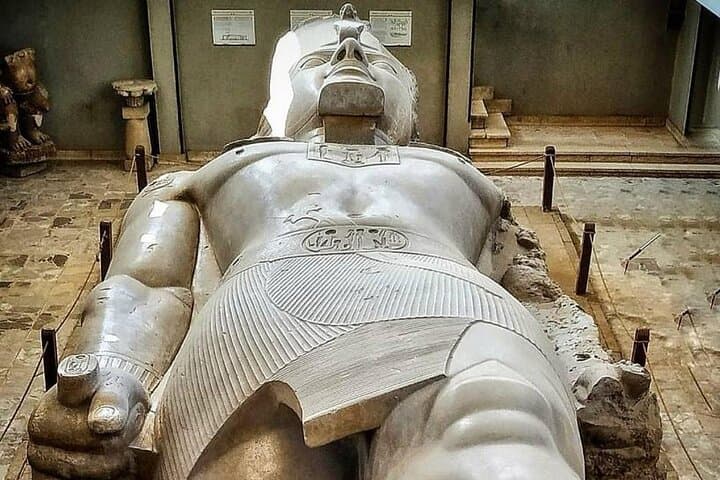
This route stitches together thousands of years of Egyptian history: the Fourth Dynasty kings who raised the Great Pyramid, the stepped innovation of Djoser’s complex at Saqqara, and the stone remains of Memphis—the first dynastic capital where colossal statuary once declared pharaonic power. Geology is part of the story here; the pyramids are hewn from local limestone and sit at the edge of the Western Desert, where wind and occasional flash rains sculpt the landscape and reveal layers of human reuse.
On a practical level, expect a 6–8 hour private day with hotel pickup, an Egyptologist guide, and transport in an air-conditioned vehicle. Walks are short but over uneven, sandy surfaces—good footwear and sun protection matter more than endurance. Many entry fees are included, though interior visits (Great Pyramid or some tombs) can require extra tickets and limited reservations.
Plan to go early to avoid heat and crowds, carry refillable water, and leave time to absorb details: relief carvings at Saqqara, the angled causeways of Khafre, and the colossal fragments at Memphis. Respect barrier ropes, follow your guide’s directions, and you’ll leave with a clearer sense of how stone, sand, and human ambition built the skyline you’re breathing beneath.
easy.
6–8 hours.
Suitable for most fitness levels; the tour involves short walks over uneven ground and standing during explanations.
Most major site fees listed in the itinerary (Giza pyramids area, Saqqara, Memphis) are covered, but optional interior visits or special museum exhibitions can require extra payment on the day.
Expect a 6–8 hour private day with hotel pickup; the pace is moderate with short walks and time for guided interpretation at each stop.
Interior access to pyramids is limited and may incur additional fees or strict time slots; access to the Sphinx interior is generally restricted—your guide can advise on availability and costs.
Yes—infants and small children can use strollers for much of the tour, but some areas have steps or uneven ground where a carrier may be easier.
These sites span early dynastic Memphis through the Old Kingdom; Saqqara’s Step Pyramid predates the smooth-sided Giza pyramids and marks a key evolution in funerary architecture.
Visitor pressure and urban encroachment are ongoing concerns—stay on marked paths, avoid touching reliefs, and support licensed guides and local conservation fees when offered.
Kemet Grand Tours operates guided outdoor trips and adventures with an emphasis on safety, stewardship, and memorable experiences.
You arrive on the Giza Plateau with the city shrinking behind you and the desert wind already at work, lifting grains of sand that streak across the limestone like a slow curtain. The three great pyramids puncture the horizon, their faces catching sun and shadow, while the Sphinx looks eastward as if daring the Nile sunrise to wake the ancient capital.
You arrive on the Giza Plateau with the city shrinking behind you and the desert wind already at work, lifting grains of sand that streak across the limestone like a slow curtain. The three great pyramids puncture the horizon, their faces catching sun and shadow, while the Sphinx looks eastward as if daring the Nile sunrise to wake the ancient capital.
This route stitches together thousands of years of Egyptian history: the Fourth Dynasty kings who raised the Great Pyramid, the stepped innovation of Djoser’s complex at Saqqara, and the stone remains of Memphis—the first dynastic capital where colossal statuary once declared pharaonic power. Geology is part of the story here; the pyramids are hewn from local limestone and sit at the edge of the Western Desert, where wind and occasional flash rains sculpt the landscape and reveal layers of human reuse.
On a practical level, expect a 6–8 hour private day with hotel pickup, an Egyptologist guide, and transport in an air-conditioned vehicle. Walks are short but over uneven, sandy surfaces—good footwear and sun protection matter more than endurance. Many entry fees are included, though interior visits (Great Pyramid or some tombs) can require extra tickets and limited reservations.
Plan to go early to avoid heat and crowds, carry refillable water, and leave time to absorb details: relief carvings at Saqqara, the angled causeways of Khafre, and the colossal fragments at Memphis. Respect barrier ropes, follow your guide’s directions, and you’ll leave with a clearer sense of how stone, sand, and human ambition built the skyline you’re breathing beneath.