THE ADVENTURE COLLECTIVE® · Independent discovery and booking for outdoor travel

Spend a private half‑day moving from the sand to the Nile: ATV across Giza’s plateau, take a camel’s steady pace, then unwind on a felucca. This compact tour pairs hands‑on desert riding with up‑close views of the pyramids and a quiet river crossing.
Spend a private half‑day moving from the sand to the Nile: ATV across Giza’s plateau, take a camel’s steady pace, then unwind on a felucca. This compact tour pairs hands‑on desert riding with up‑close views of the pyramids and a quiet river crossing.
You step out into a pale‑gold morning and the three pyramids rise like geological exclamation points on the horizon — Khufu’s bulk cutting the sky, the Sphinx watching the approach. The day moves at a deliberate pace: an hour of quad riding across the wind‑sculpted sands, a measured camel walk that lets the plateau breathe around you, then a quiet felucca glide on the Nile as the city drifts past.
Verified experiences and guided adventures in the surrounding area.
Operated by Hesham Egypt tour guide · Giza, Giza Governorate
You step out into a pale‑gold morning and the three pyramids rise like geological exclamation points on the horizon — Khufu’s bulk cutting the sky, the Sphinx watching the approach. The day moves at a deliberate pace: an hour of quad riding across the wind‑sculpted sands, a measured camel walk that lets the plateau breathe around you, then a quiet felucca glide on the Nile as the city drifts past.
The structures themselves date to Egypt’s 4th Dynasty; Khufu’s Great Pyramid once dominated the human skyline for millennia. The plateau is primarily limestone and wind‑blown sand, the same surfaces that have preserved carved stones and burial chambers for 4,500 years. Nearby bazaars carry goods and crafts shaped by Cairo’s long trade history — brasswork, papyrus prints and spices — useful context after time on the desert floor.
Practical rhythm matters: this private tour runs roughly 4–6 hours with hotel pickup, and admission to the pyramid complex is typically separate. Expect sand, sun and short bursts of activity rather than continuous exertion; the quad is on soft sand and the camel pace is steady but gentle. Bring sun protection, closed‑toe shoes for the quad, small change for market purchases, and a light layer for the felucca breeze. Morning or late afternoon departures cut the heat and sharpen the light for photos. Guides will provide safety briefings for vehicles and animals; follow instructions and conserve water. This is a compact blend of archaeology, active desert travel and river calm — efficient, sensory and steeped in visible history.
moderate.
4–6 hours.
Suitable for most fitness levels; involves short bursts of activity (ATV, mounting camels) but mostly low‑intensity walking and sitting.
No — most operators charge the tour fee separately from official site admission; confirm before you book and carry cash or card for ticket purchase.
The itinerary typically allocates about 30–60 minutes for a private felucca ride on the Nile, enough for photos and a relaxed stretch.
Yes — quads are usually ridden on open sand with a short safety briefing; operators expect no prior experience but will instruct you on basics.
Policies vary; the booking requires passenger names and ages — check with the operator for age limits and whether child seats or restrictions apply.
The Giza monuments were built during Egypt’s Old Kingdom (4th Dynasty); Khufu’s pyramid was the tallest man‑made structure for about 3,800 years.
Respect marked paths and avoid climbing on monuments; tourism revenue supports site maintenance, so choose operators who follow local guidelines.
Hesham Egypt tour guide operates guided outdoor trips and adventures with an emphasis on safety, stewardship, and memorable experiences.
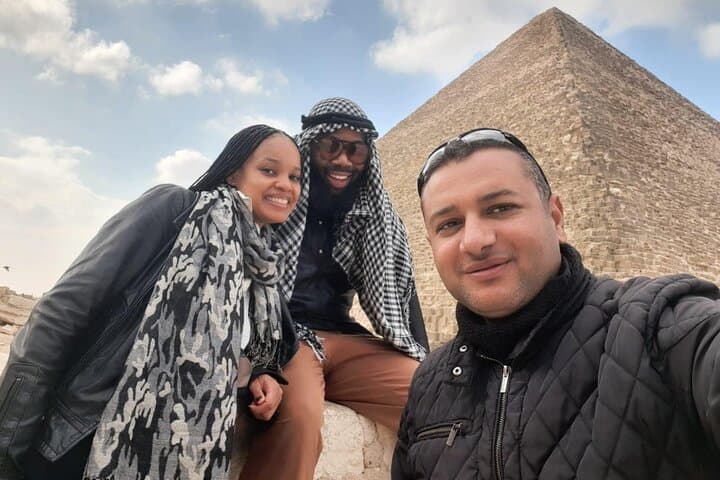


You step out into a pale‑gold morning and the three pyramids rise like geological exclamation points on the horizon — Khufu’s bulk cutting the sky, the Sphinx watching the approach. The day moves at a deliberate pace: an hour of quad riding across the wind‑sculpted sands, a measured camel walk that lets the plateau breathe around you, then a quiet felucca glide on the Nile as the city drifts past.
You step out into a pale‑gold morning and the three pyramids rise like geological exclamation points on the horizon — Khufu’s bulk cutting the sky, the Sphinx watching the approach. The day moves at a deliberate pace: an hour of quad riding across the wind‑sculpted sands, a measured camel walk that lets the plateau breathe around you, then a quiet felucca glide on the Nile as the city drifts past.
The structures themselves date to Egypt’s 4th Dynasty; Khufu’s Great Pyramid once dominated the human skyline for millennia. The plateau is primarily limestone and wind‑blown sand, the same surfaces that have preserved carved stones and burial chambers for 4,500 years. Nearby bazaars carry goods and crafts shaped by Cairo’s long trade history — brasswork, papyrus prints and spices — useful context after time on the desert floor.
Practical rhythm matters: this private tour runs roughly 4–6 hours with hotel pickup, and admission to the pyramid complex is typically separate. Expect sand, sun and short bursts of activity rather than continuous exertion; the quad is on soft sand and the camel pace is steady but gentle. Bring sun protection, closed‑toe shoes for the quad, small change for market purchases, and a light layer for the felucca breeze. Morning or late afternoon departures cut the heat and sharpen the light for photos. Guides will provide safety briefings for vehicles and animals; follow instructions and conserve water. This is a compact blend of archaeology, active desert travel and river calm — efficient, sensory and steeped in visible history.