THE ADVENTURE COLLECTIVE® · Independent discovery and booking for outdoor travel

Short on time but keen to see the Great Pyramid and Sphinx? This four‑hour private tour offers close‑in views, an Egyptology guide and a quick camel ride, with hotel pickup in an air‑conditioned vehicle.
Short on time but keen to see the Great Pyramid and Sphinx? This four‑hour private tour offers close‑in views, an Egyptology guide and a quick camel ride, with hotel pickup in an air‑conditioned vehicle.
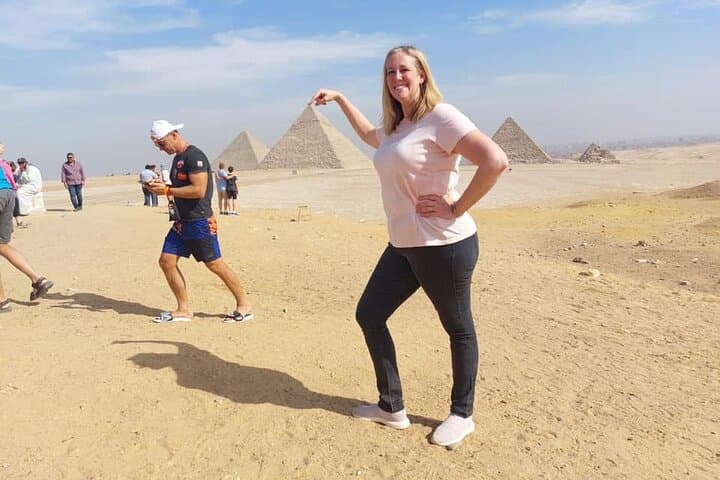
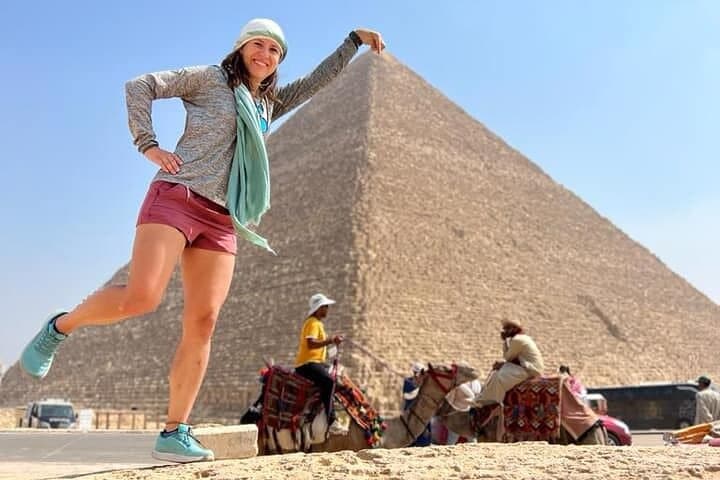
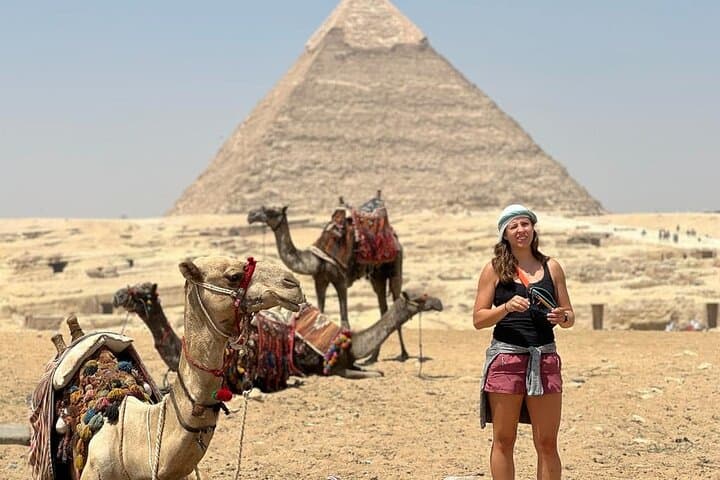
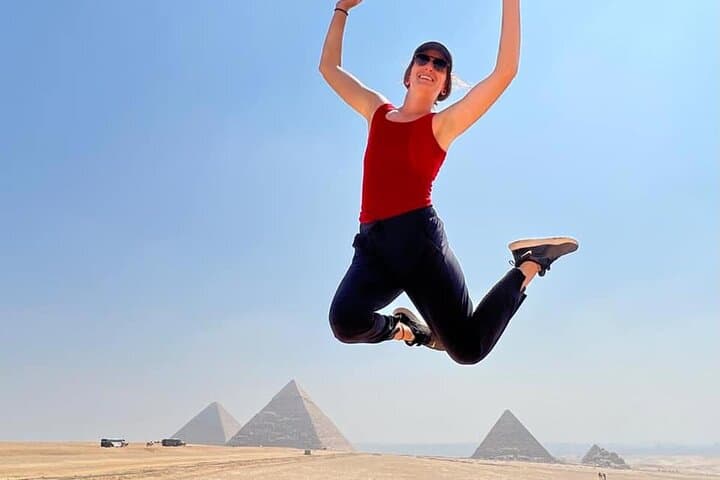
You step out of an air‑conditioned car and the plateau opens: a row of colossal limestone blocks catching a hard, dry light while a guide’s voice threads history between the stones. The Great Pyramid looms nearest, its rough outer casing long-sheared but its scale undiminished; the Sphinx sits watchful, sand at its paws and traces of ancient paint in the shadows.
Verified experiences and guided adventures in the surrounding area.
Operated by Hesham Egypt tour guide · Giza, Giza
You step out of an air‑conditioned car and the plateau opens: a row of colossal limestone blocks catching a hard, dry light while a guide’s voice threads history between the stones. The Great Pyramid looms nearest, its rough outer casing long-sheared but its scale undiminished; the Sphinx sits watchful, sand at its paws and traces of ancient paint in the shadows.
This short, focused tour places the three pyramids of Khufu, Khafre and Menkaure at the center of a funerary landscape built in the mid‑3rd millennium BCE. Geologically, the plateau is Eocene limestone sitting above Nile alluvium, the stone quarried on site and shaped into funerary complexes that anchored ancient Egyptian political and ritual life. Local culture today threads through the site: licensed guides translate hieroglyphs and explain burial practices while camel handlers offer quick desert rides.
Expect compact walking on packed sand and worn stone, close‑up views rather than interior access (entrance tickets are often extra). The rhythm is brisk—photo stops, a guided interpretation of the Sphinx and Valley Temple, and an optional camel ride across soft sand.
Practical notes: go early to avoid heat and crowds, wear sturdy shoes and sun protection, carry water, and clarify in advance whether pyramid interior entry is included. Respect barriers and the guidance of site staff—preservation depends on visitor care. This four‑hour outing is ideal for travelers who want a concentrated, comfortable introduction to one of the world’s oldest monumental landscapes.
easy.
4 hours.
Suitable for most fitness levels; requires short periods of walking and standing on uneven ground.
Most bookings do not include interior pyramid tickets; exterior viewing and the plateau visit are generally included—confirm with your operator before arrival.
Camel rides are commonly offered as an optional add‑on and may cost extra; confirm availability and price in advance.
Walking is limited and paced for a private group—plan for intermittent 10–20 minute walks between viewpoints with standing time for explanations and photos.
The tour is family‑friendly, but the plateau has uneven surfaces; people with limited mobility should check pickup/drop‑off logistics and accessibility with the operator first.
The Giza complex dates to roughly 2600–2500 BCE and contains the tombs of pharaohs Khufu (Cheops), Khafre and Menkaure—core monuments of Old Kingdom Egypt.
Visitor pressure and urban encroachment are ongoing concerns; stick to marked paths, avoid climbing on monuments and support licensed guides who follow site rules.
Hesham Egypt tour guide operates guided outdoor trips and adventures with an emphasis on safety, stewardship, and memorable experiences.
You step out of an air‑conditioned car and the plateau opens: a row of colossal limestone blocks catching a hard, dry light while a guide’s voice threads history between the stones. The Great Pyramid looms nearest, its rough outer casing long-sheared but its scale undiminished; the Sphinx sits watchful, sand at its paws and traces of ancient paint in the shadows.
You step out of an air‑conditioned car and the plateau opens: a row of colossal limestone blocks catching a hard, dry light while a guide’s voice threads history between the stones. The Great Pyramid looms nearest, its rough outer casing long-sheared but its scale undiminished; the Sphinx sits watchful, sand at its paws and traces of ancient paint in the shadows.
This short, focused tour places the three pyramids of Khufu, Khafre and Menkaure at the center of a funerary landscape built in the mid‑3rd millennium BCE. Geologically, the plateau is Eocene limestone sitting above Nile alluvium, the stone quarried on site and shaped into funerary complexes that anchored ancient Egyptian political and ritual life. Local culture today threads through the site: licensed guides translate hieroglyphs and explain burial practices while camel handlers offer quick desert rides.
Expect compact walking on packed sand and worn stone, close‑up views rather than interior access (entrance tickets are often extra). The rhythm is brisk—photo stops, a guided interpretation of the Sphinx and Valley Temple, and an optional camel ride across soft sand.
Practical notes: go early to avoid heat and crowds, wear sturdy shoes and sun protection, carry water, and clarify in advance whether pyramid interior entry is included. Respect barriers and the guidance of site staff—preservation depends on visitor care. This four‑hour outing is ideal for travelers who want a concentrated, comfortable introduction to one of the world’s oldest monumental landscapes.