THE ADVENTURE COLLECTIVE® · Independent discovery and booking for outdoor travel

Combine the open-air scale of the Giza Plateau with the modern galleries of the National Museum of Egyptian Civilization on a private, guided day trip from Cairo. This tour blends desert panoramas, optional camel rides and in-depth Egyptology for a full-picture look at Egyptian history.
Combine the open-air scale of the Giza Plateau with the modern galleries of the National Museum of Egyptian Civilization on a private, guided day trip from Cairo. This tour blends desert panoramas, optional camel rides and in-depth Egyptology for a full-picture look at Egyptian history.
The wind off the Sahara pushes grit across a low desert plain as the three great pyramids come into view—stone faces catching late-morning sun while the Sphinx watches, patient and unblinking. This private day tour pairs that immediate, physical encounter with the cool, climate‑controlled galleries of the National Museum of Egyptian Civilization (NMEC), moving you from the open desert’s scale to the intimate detail of millennia-old craftsmanship.
Verified experiences and guided adventures in the surrounding area.
Operated by Travel2cairo Nile Dinner Cruise · Cairo, Cairo Governorate
The wind off the Sahara pushes grit across a low desert plain as the three great pyramids come into view—stone faces catching late-morning sun while the Sphinx watches, patient and unblinking. This private day tour pairs that immediate, physical encounter with the cool, climate‑controlled galleries of the National Museum of Egyptian Civilization (NMEC), moving you from the open desert’s scale to the intimate detail of millennia-old craftsmanship.
The Giza Plateau records funerary ambition from the Fourth Dynasty: the Great Pyramid of Khufu (c. 2560 BCE) and its companions built from quarried limestone and granite; geology here frames human engineering against flat desert bedrock and wind-polished sand. At NMEC in Fustat, exhibits run chronologically—prehistoric tools, pharaonic statuary, the royal mummies hall—tracing cultural continuity to modern Egyptian life. Your Egyptologist guide connects mortuary architecture, ritual practice and the modern conservation work that preserves them.
Expect panoramic photo stops, optional short camel outings, and a museum walkthrough that centers royal mummies and context—why objects mattered then and how they inform national identity today. Practicalities: the tour runs 5–8 hours with hotel pickup in Cairo, air‑conditioned transport, bottled water and lunch included. Wear sturdy closed shoes for uneven stone, bring sun protection and a refillable water bottle; plan museum time for a cooler, quieter contrast after the heat and dust of Giza. Timing your visit for early morning or late afternoon eases temperatures and light for photography. Move deliberately: step on paved paths, follow your guide’s route, and give both the desert and the galleries the attention they deserve.
easy.
5–8 hours.
Suitable for most fitness levels; expect short walks on uneven surfaces and some standing during museum visits.
This tour description indicates admission is not included for the pyramids; check your booking for NMEC—confirm which tickets you or the operator will provide prior to travel.
Optional entry inside a pyramid typically requires a separate ticket and can be arranged subject to availability and additional cost—ask your guide on arrival.
Yes; the operator notes stroller access and infant seating are possible, but pyramid areas involve uneven ground where assistance will help.
Camel rides are usually optional and offered for short photo experiences; animals are domesticated and handlers are present—use caution mounting and dismounting and follow handlers’ instructions.
The Great Pyramid of Khufu dates to around 2560 BCE and represents the apex of Old Kingdom funerary architecture; NMEC collects artifacts spanning prehistoric eras through modern Egypt, including royal mummies.
High visitor numbers stress archaeological sites—stay on marked paths, avoid touching stones, and use refillable bottles when possible; NMEC supports conservation through controlled environments and public education.
Travel2cairo Nile Dinner Cruise operates guided outdoor trips and adventures with an emphasis on safety, stewardship, and memorable experiences.
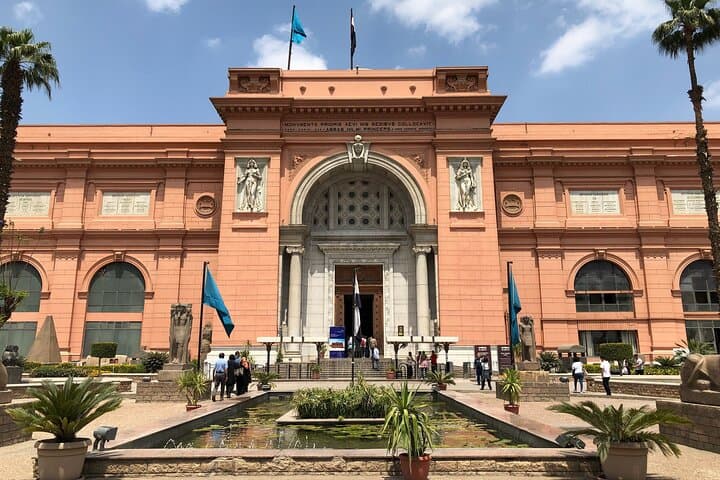
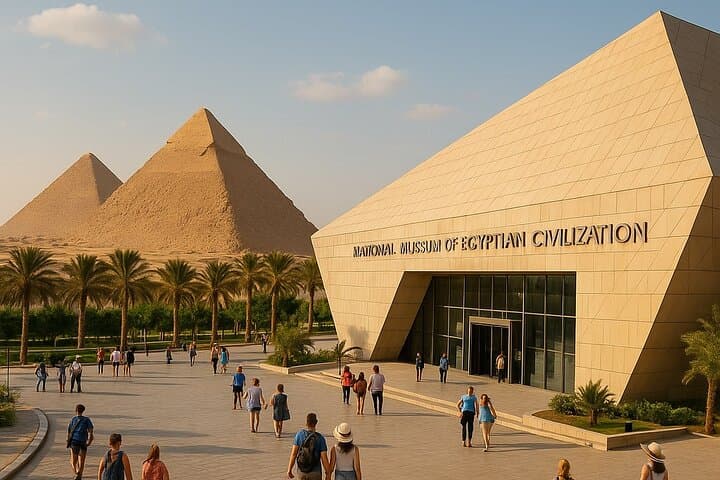
The wind off the Sahara pushes grit across a low desert plain as the three great pyramids come into view—stone faces catching late-morning sun while the Sphinx watches, patient and unblinking. This private day tour pairs that immediate, physical encounter with the cool, climate‑controlled galleries of the National Museum of Egyptian Civilization (NMEC), moving you from the open desert’s scale to the intimate detail of millennia-old craftsmanship.
The wind off the Sahara pushes grit across a low desert plain as the three great pyramids come into view—stone faces catching late-morning sun while the Sphinx watches, patient and unblinking. This private day tour pairs that immediate, physical encounter with the cool, climate‑controlled galleries of the National Museum of Egyptian Civilization (NMEC), moving you from the open desert’s scale to the intimate detail of millennia-old craftsmanship.
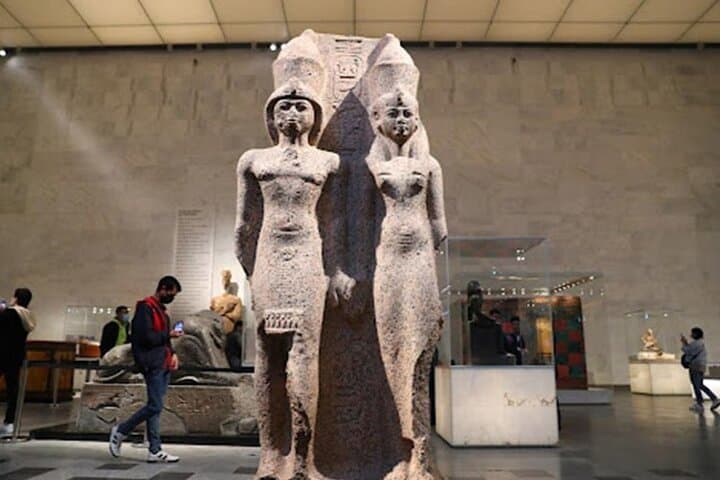
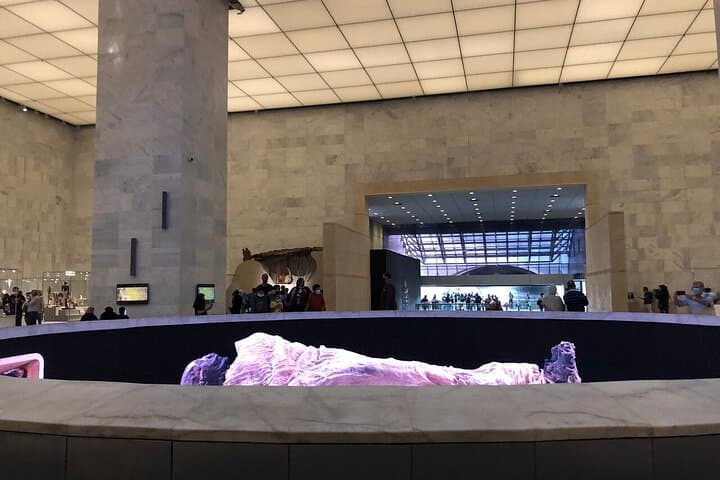
The Giza Plateau records funerary ambition from the Fourth Dynasty: the Great Pyramid of Khufu (c. 2560 BCE) and its companions built from quarried limestone and granite; geology here frames human engineering against flat desert bedrock and wind-polished sand. At NMEC in Fustat, exhibits run chronologically—prehistoric tools, pharaonic statuary, the royal mummies hall—tracing cultural continuity to modern Egyptian life. Your Egyptologist guide connects mortuary architecture, ritual practice and the modern conservation work that preserves them.
Expect panoramic photo stops, optional short camel outings, and a museum walkthrough that centers royal mummies and context—why objects mattered then and how they inform national identity today. Practicalities: the tour runs 5–8 hours with hotel pickup in Cairo, air‑conditioned transport, bottled water and lunch included. Wear sturdy closed shoes for uneven stone, bring sun protection and a refillable water bottle; plan museum time for a cooler, quieter contrast after the heat and dust of Giza. Timing your visit for early morning or late afternoon eases temperatures and light for photography. Move deliberately: step on paved paths, follow your guide’s route, and give both the desert and the galleries the attention they deserve.