THE ADVENTURE COLLECTIVE® · Independent discovery and booking for outdoor travel

A private, full‑day Cairo experience pairing the ancient engineering of the Giza pyramids with the modern storytelling of the National Museum of Egyptian Civilization. Expect 7 hours of guided history, desert light, and museum galleries with included admissions.
A private, full‑day Cairo experience pairing the ancient engineering of the Giza pyramids with the modern storytelling of the National Museum of Egyptian Civilization. Expect 7 hours of guided history, desert light, and museum galleries with included admissions.
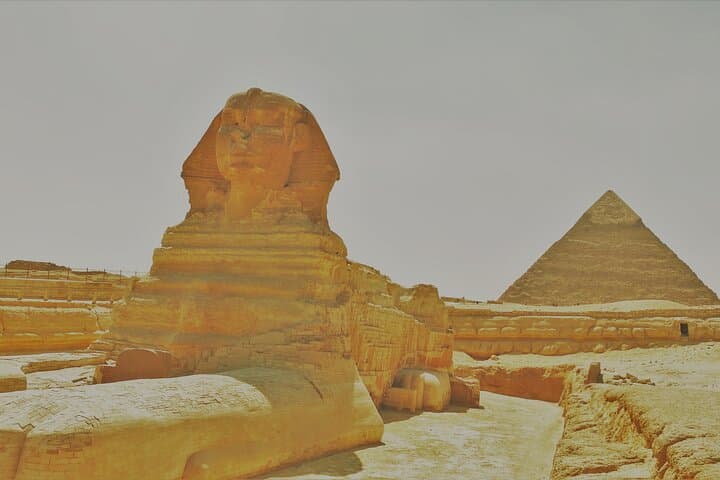
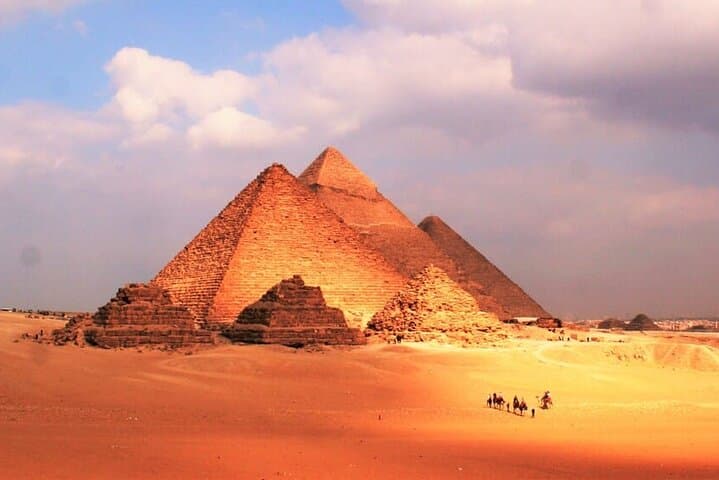
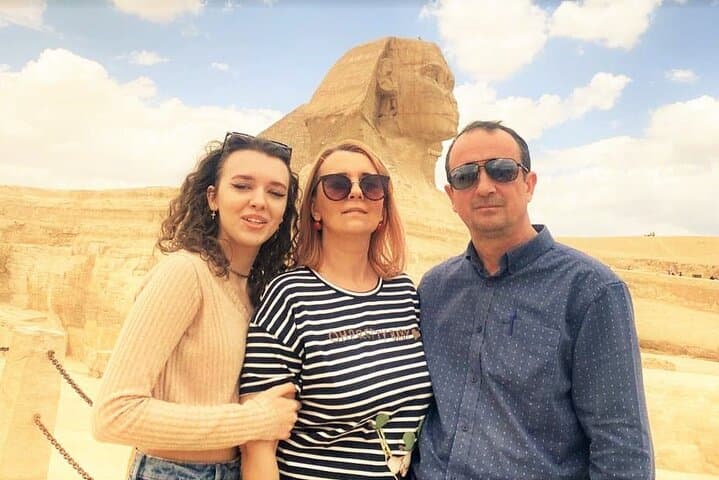
The sun rises over the Giza Plateau and the limestone faces of the pyramids catch light like pages of an ancient book. You step from an air‑conditioned vehicle onto warm sand; wind pushes the edge of the desert toward the city and the Sphinx watches with a quiet, carved patience. This full‑day private tour threads two contrasting Cairo experiences: the 4th‑Dynasty monuments on the western bank of the Nile and the National Museum of Egyptian Civilization (NMEC), a modern, thematic retelling of Egypt’s long human story.
Verified experiences and guided adventures in the surrounding area.
Operated by Travabia Travel · Giza, Cairo Governorate
The sun rises over the Giza Plateau and the limestone faces of the pyramids catch light like pages of an ancient book. You step from an air‑conditioned vehicle onto warm sand; wind pushes the edge of the desert toward the city and the Sphinx watches with a quiet, carved patience. This full‑day private tour threads two contrasting Cairo experiences: the 4th‑Dynasty monuments on the western bank of the Nile and the National Museum of Egyptian Civilization (NMEC), a modern, thematic retelling of Egypt’s long human story.
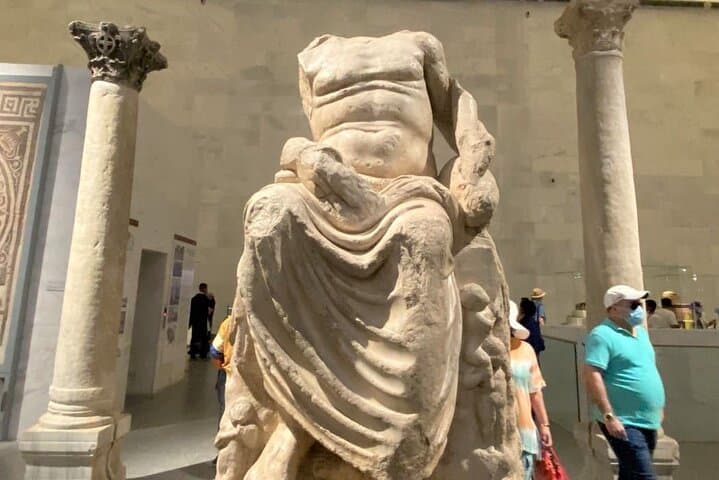
Giza’s pyramids date to c. 2600 BCE and are engineered from quarried limestone and granite—gigantic masonry that defined royal burial practices for millennia. Geologically, the plateau sits on Miocene limestone over older sedimentary layers, its exposed rock worn by millennia of wind and human touch. The NMEC, by contrast, curates artifacts from prehistory to present, reframing ritual objects, mummies, and living traditions for a 21st‑century audience. Between sites you’ll pass neighborhoods where Ottoman, Fatimid and modern Cairo overlap—markets, minarets, and street vendors offering strong black tea.
Practical guidance: plan for seven hours on a guided schedule, bring sun protection and a refillable bottle, and wear sturdy walking shoes for uneven desert footing and museum floors. Carry local currency for tips and market purchases; photo rules vary inside exhibits. Midday in summer gets hot—schedule early starts or late afternoons when possible. Respect protected areas, stay on permitted paths at Giza, and follow your Egyptologist guide for the best context and quieter vantage points.
easy.
7 hours.
Suitable for most fitness levels; requires walking on uneven ground and standing during museum visits.
Yes—this tour listing indicates admission tickets to the Giza Plateau sites and the NMEC are included; always confirm if any optional internal entries (e.g., inside Khufu’s pyramid) require additional permits.
Expect several hours of walking and standing during museum galleries and on the plateau; surfaces range from paved paths to loose sand and limestone steps.
The tour is listed as suitable for all fitness levels; infant seats are available and infants often sit on laps—check with the operator for specific child policies and pacing preferences.
Access to interior chambers is limited and sometimes restricted for conservation or capacity reasons; ask your guide in advance to confirm current availability and any extra fees.
The Giza complex dates to Egypt’s Old Kingdom (c. 2613–2494 BCE) as royal funerary architecture; NMEC presents Egypt’s continuous civilization from prehistory to the modern state.
The plateau and museum follow site protection rules—stay on designated paths, avoid touching fragile stone and artifacts, and follow guide instructions to limit wear and impact.
Travabia Travel operates guided outdoor trips and adventures with an emphasis on safety, stewardship, and memorable experiences.
The sun rises over the Giza Plateau and the limestone faces of the pyramids catch light like pages of an ancient book. You step from an air‑conditioned vehicle onto warm sand; wind pushes the edge of the desert toward the city and the Sphinx watches with a quiet, carved patience. This full‑day private tour threads two contrasting Cairo experiences: the 4th‑Dynasty monuments on the western bank of the Nile and the National Museum of Egyptian Civilization (NMEC), a modern, thematic retelling of Egypt’s long human story.
The sun rises over the Giza Plateau and the limestone faces of the pyramids catch light like pages of an ancient book. You step from an air‑conditioned vehicle onto warm sand; wind pushes the edge of the desert toward the city and the Sphinx watches with a quiet, carved patience. This full‑day private tour threads two contrasting Cairo experiences: the 4th‑Dynasty monuments on the western bank of the Nile and the National Museum of Egyptian Civilization (NMEC), a modern, thematic retelling of Egypt’s long human story.
Giza’s pyramids date to c. 2600 BCE and are engineered from quarried limestone and granite—gigantic masonry that defined royal burial practices for millennia. Geologically, the plateau sits on Miocene limestone over older sedimentary layers, its exposed rock worn by millennia of wind and human touch. The NMEC, by contrast, curates artifacts from prehistory to present, reframing ritual objects, mummies, and living traditions for a 21st‑century audience. Between sites you’ll pass neighborhoods where Ottoman, Fatimid and modern Cairo overlap—markets, minarets, and street vendors offering strong black tea.
Practical guidance: plan for seven hours on a guided schedule, bring sun protection and a refillable bottle, and wear sturdy walking shoes for uneven desert footing and museum floors. Carry local currency for tips and market purchases; photo rules vary inside exhibits. Midday in summer gets hot—schedule early starts or late afternoons when possible. Respect protected areas, stay on permitted paths at Giza, and follow your Egyptologist guide for the best context and quieter vantage points.