THE ADVENTURE COLLECTIVE® · Independent discovery and booking for outdoor travel

Spend a full day moving between three of ancient Egypt’s definitive sites: the Giza plateau, the Step Pyramid at Saqqara, and the ruins of ancient Memphis. This guided loop mixes short walks, archaeological highlights, and practical tips for coping with desert heat and uneven terrain.
Spend a full day moving between three of ancient Egypt’s definitive sites: the Giza plateau, the Step Pyramid at Saqqara, and the ruins of ancient Memphis. This guided loop mixes short walks, archaeological highlights, and practical tips for coping with desert heat and uneven terrain.
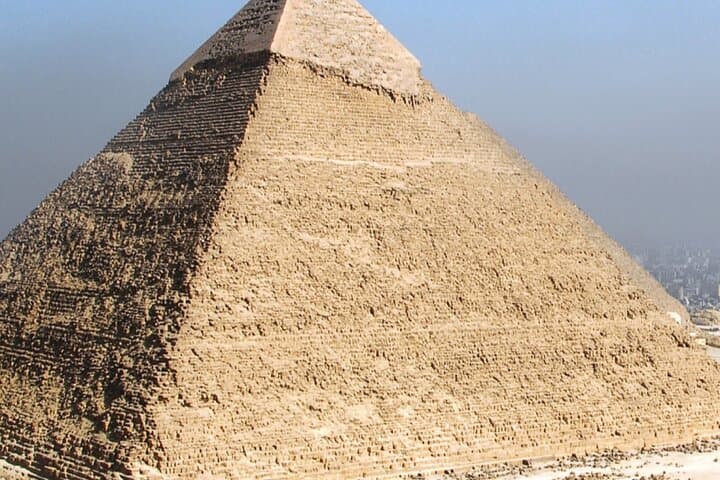
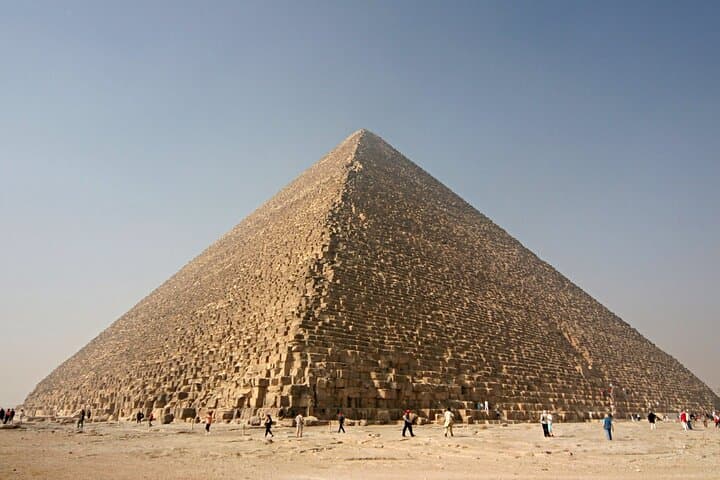
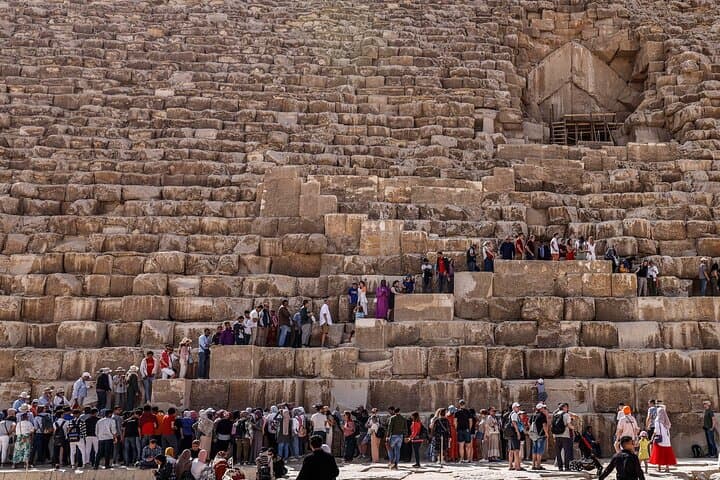
You step from the air‑conditioned minivan onto the flat, sun-baked ridge that holds the Great Pyramid, and the desert seems to lean in—heat pressing, wind nudging grit across stone. The three pyramids of Giza rise in deliberate geometry: Cheops rigid and monumental, Khafre shadowed by his mortuary complex and the Sphinx guarding the approach.
Verified experiences and guided adventures in the surrounding area.
Operated by Emo Tours Swiss · Giza, Cairo Governorate
You step from the air‑conditioned minivan onto the flat, sun-baked ridge that holds the Great Pyramid, and the desert seems to lean in—heat pressing, wind nudging grit across stone. The three pyramids of Giza rise in deliberate geometry: Cheops rigid and monumental, Khafre shadowed by his mortuary complex and the Sphinx guarding the approach.
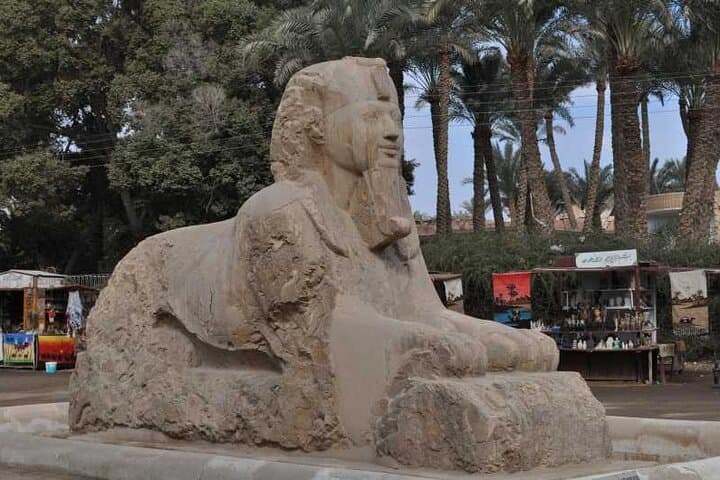
This loop tour threads three chapters of early Egyptian civilization. Giza’s plateau showcases Old Kingdom funerary architecture and the Valley Temple where embalming rituals once played out. Saqqara, 27 km southwest of Cairo, holds Djoser’s Step Pyramid — the first large-scale stone construction engineered by Imhotep — a pivot from flat mastabas to true pyramids. Memphis, Egypt’s first capital (c. 3100 BCE), contains the colossus of Ramses II and the alabaster sphinx, traces of a city that organized a civilization. Geology here is limestone plateaus and wind-polished bedrock; the sand and fragmented calcarenite reveal how builders quarried and adapted local materials.
Practically, the day is a mix of short walks, uneven stone and sand, and vehicle transfers totaling roughly 6–8 hours. Start early to avoid peak heat, carry sun protection, and expect brief climbs and steps inside some tombs. Cameras are welcome but be respectful of signs and guide instructions—many surfaces are fragile. The trip balances open-air exploration with curated stops, giving a clear, grounded view of ancient Egypt’s monumental decisions and the landscape that shaped them.
easy.
6–8 hours.
Suitable for most fitness levels; expect short walks of 2–4 km on uneven, sandy or stone surfaces and some steps.
Itinerary notes Giza admission is included for the main plateau; confirm with the operator whether specific tomb or museum entries at Saqqara and Memphis are included on your booking.
Expect roughly 2–4 km of walking across open sites with intermittent stops; surfaces include packed sand, loose gravel and stone steps.
The tour is rated easy but not recommended for travelers with spinal, cardiac conditions, or pregnancy due to uneven terrain and heat—check operator guidance for specific needs.
Yes—private air‑conditioned transfers and hotel pickup from Cairo or Giza are included in this tour package.
Memphis was founded around 3100 BCE as an administrative hub; Djoser’s Step Pyramid at Saqqara — built by Imhotep — marks the shift to large-scale stone architecture.
High visitor numbers and wind-borne sand stress fragile stone and painted surfaces; follow paths, avoid touching reliefs, and use local guides to minimize impact.
Emo Tours Swiss operates guided outdoor trips and adventures with an emphasis on safety, stewardship, and memorable experiences.
You step from the air‑conditioned minivan onto the flat, sun-baked ridge that holds the Great Pyramid, and the desert seems to lean in—heat pressing, wind nudging grit across stone. The three pyramids of Giza rise in deliberate geometry: Cheops rigid and monumental, Khafre shadowed by his mortuary complex and the Sphinx guarding the approach.
You step from the air‑conditioned minivan onto the flat, sun-baked ridge that holds the Great Pyramid, and the desert seems to lean in—heat pressing, wind nudging grit across stone. The three pyramids of Giza rise in deliberate geometry: Cheops rigid and monumental, Khafre shadowed by his mortuary complex and the Sphinx guarding the approach.
This loop tour threads three chapters of early Egyptian civilization. Giza’s plateau showcases Old Kingdom funerary architecture and the Valley Temple where embalming rituals once played out. Saqqara, 27 km southwest of Cairo, holds Djoser’s Step Pyramid — the first large-scale stone construction engineered by Imhotep — a pivot from flat mastabas to true pyramids. Memphis, Egypt’s first capital (c. 3100 BCE), contains the colossus of Ramses II and the alabaster sphinx, traces of a city that organized a civilization. Geology here is limestone plateaus and wind-polished bedrock; the sand and fragmented calcarenite reveal how builders quarried and adapted local materials.
Practically, the day is a mix of short walks, uneven stone and sand, and vehicle transfers totaling roughly 6–8 hours. Start early to avoid peak heat, carry sun protection, and expect brief climbs and steps inside some tombs. Cameras are welcome but be respectful of signs and guide instructions—many surfaces are fragile. The trip balances open-air exploration with curated stops, giving a clear, grounded view of ancient Egypt’s monumental decisions and the landscape that shaped them.