THE ADVENTURE COLLECTIVE® · Independent discovery and booking for outdoor travel

See the Giza pyramids at dawn, haggle through Khan El-Khalili’s lively alleys, then unwind on a traditional Nile felucca. This full-day Cairo tour blends monumental history, street-level culture, and a tranquil river glide.
See the Giza pyramids at dawn, haggle through Khan El-Khalili’s lively alleys, then unwind on a traditional Nile felucca. This full-day Cairo tour blends monumental history, street-level culture, and a tranquil river glide.
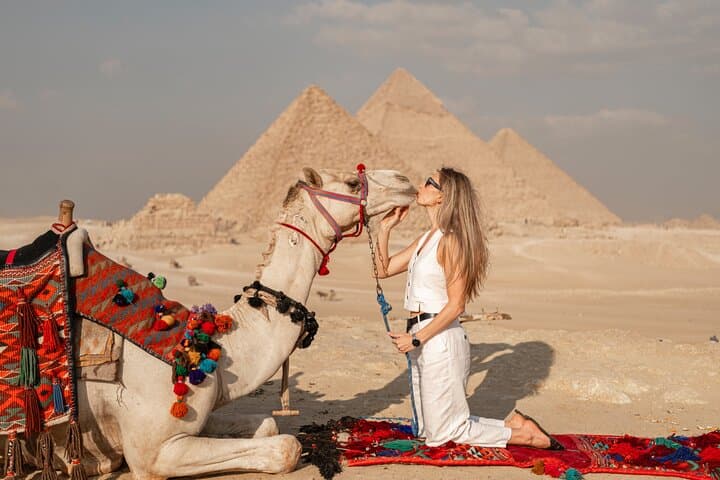
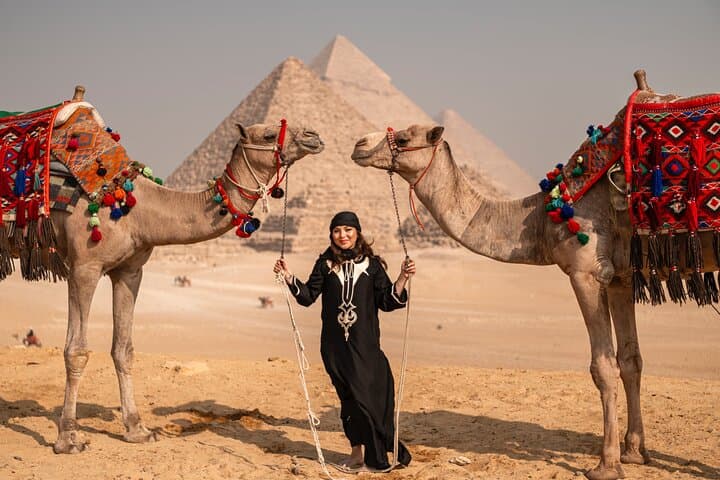
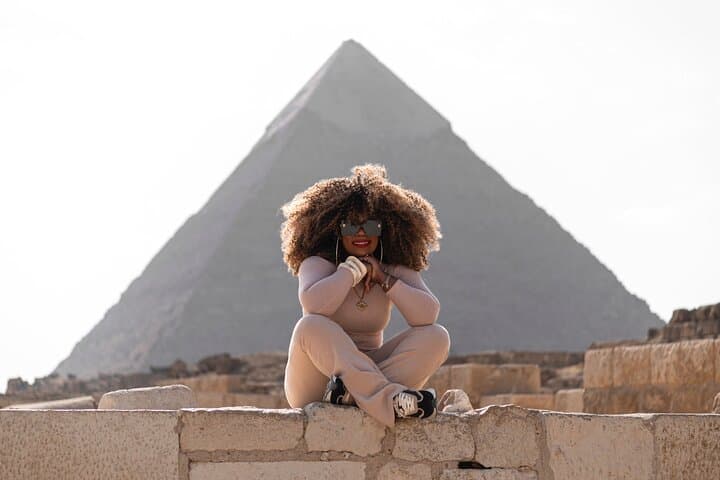
Morning light strips the desert to its bones as you step onto the Giza Plateau—sand underfoot, stone that has watched four millennia. The three great pyramids rise in angled geometry; the Sphinx stares east, wind-polished and inscrutable. Your guide cues the stories—royal tombs, quarry logistics, and the shifting sands that reveal and hide history.
Verified experiences and guided adventures in the surrounding area.
Operated by Egypt Discovery Tours · Cairo, Cairo Governorate
Morning light strips the desert to its bones as you step onto the Giza Plateau—sand underfoot, stone that has watched four millennia. The three great pyramids rise in angled geometry; the Sphinx stares east, wind-polished and inscrutable. Your guide cues the stories—royal tombs, quarry logistics, and the shifting sands that reveal and hide history.
Geology here is blunt: limestone beds quarried into blocks, bedrock steps and ancient ramp theories. Culturally, the plateau anchors Egypt’s identity; nearby Khan El-Khalili carries the city’s living pulse—alleys of brass lamps, spice stalls, and voices bargaining in practiced rhythms. Slip into a backstreet café for koshari or falafel to sample the urban palate.
By afternoon the Nile cools the air. Boarding a felucca, the river takes on a will of its own—gentle pushes that ease you past island gardens and the modern skyline. The felucca cut the city into a quieter pace where fishermen mend nets and herons pick the mudflats.
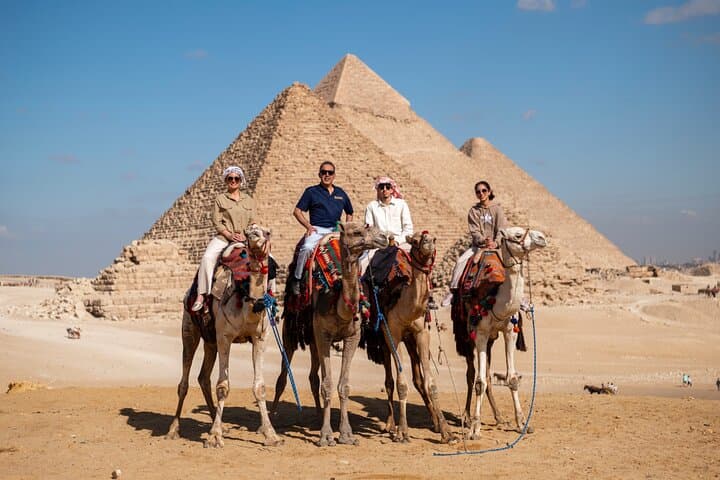
Practical guidance: the full loop runs about 5–6 hours with light walking across uneven stone and sand; wear sturdy closed shoes, sun protection, and bring cash for entry fees, tips, and market finds. Expect modest climbing for photographic viewpoints and short camel or horse rides on the plateau. Morning visits avoid heat and crowds; felucca rides are best late afternoon for cooler winds and soft light. Respect sites—no climbing on monuments—and negotiate prices politely in Khan El-Khalili. With planning, this single day layers Egypt’s ancient engineering, living commerce, and riverborne calm into a coherent, memorable itinerary.
easy.
5–6 hours.
Suitable for most fitness levels; involves multiple short walks across uneven ground and brief climbs for viewpoints
The tour runs about 5–6 hours (approximately 315 minutes) including transport, guided stops, lunch, and a one-hour felucca ride.
This tour lists entry fees as included—confirm at booking and have ID handy for site access.
Yes; the tour notes infants must sit on laps. The itinerary is low-impact but includes outdoor exposure and short rides.
Yes—camel rides are offered in the panoramic area; agree on price and duration before mounting and avoid long rides in peak heat.
The Giza pyramids date to the Fourth Dynasty (~4,500 years ago); the Sphinx and surrounding structures reflect ancient funerary and astronomical practices.
Tourism pressure and urban expansion affect the plateau and Nile shores; stick to marked areas, avoid littering, and support local guides who follow site regulations.
Egypt Discovery Tours operates guided outdoor trips and adventures with an emphasis on safety, stewardship, and memorable experiences.
Morning light strips the desert to its bones as you step onto the Giza Plateau—sand underfoot, stone that has watched four millennia. The three great pyramids rise in angled geometry; the Sphinx stares east, wind-polished and inscrutable. Your guide cues the stories—royal tombs, quarry logistics, and the shifting sands that reveal and hide history.
Morning light strips the desert to its bones as you step onto the Giza Plateau—sand underfoot, stone that has watched four millennia. The three great pyramids rise in angled geometry; the Sphinx stares east, wind-polished and inscrutable. Your guide cues the stories—royal tombs, quarry logistics, and the shifting sands that reveal and hide history.
Geology here is blunt: limestone beds quarried into blocks, bedrock steps and ancient ramp theories. Culturally, the plateau anchors Egypt’s identity; nearby Khan El-Khalili carries the city’s living pulse—alleys of brass lamps, spice stalls, and voices bargaining in practiced rhythms. Slip into a backstreet café for koshari or falafel to sample the urban palate.
By afternoon the Nile cools the air. Boarding a felucca, the river takes on a will of its own—gentle pushes that ease you past island gardens and the modern skyline. The felucca cut the city into a quieter pace where fishermen mend nets and herons pick the mudflats.
Practical guidance: the full loop runs about 5–6 hours with light walking across uneven stone and sand; wear sturdy closed shoes, sun protection, and bring cash for entry fees, tips, and market finds. Expect modest climbing for photographic viewpoints and short camel or horse rides on the plateau. Morning visits avoid heat and crowds; felucca rides are best late afternoon for cooler winds and soft light. Respect sites—no climbing on monuments—and negotiate prices politely in Khan El-Khalili. With planning, this single day layers Egypt’s ancient engineering, living commerce, and riverborne calm into a coherent, memorable itinerary.