THE ADVENTURE COLLECTIVE® · Independent discovery and booking for outdoor travel

See the Great Pyramid and Sphinx from a traditional horse-drawn carriage on a private half-day tour. Combines expert interpretation, hotel transfers and a relaxed one-hour carriage circuit around the Giza plateau.
See the Great Pyramid and Sphinx from a traditional horse-drawn carriage on a private half-day tour. Combines expert interpretation, hotel transfers and a relaxed one-hour carriage circuit around the Giza plateau.
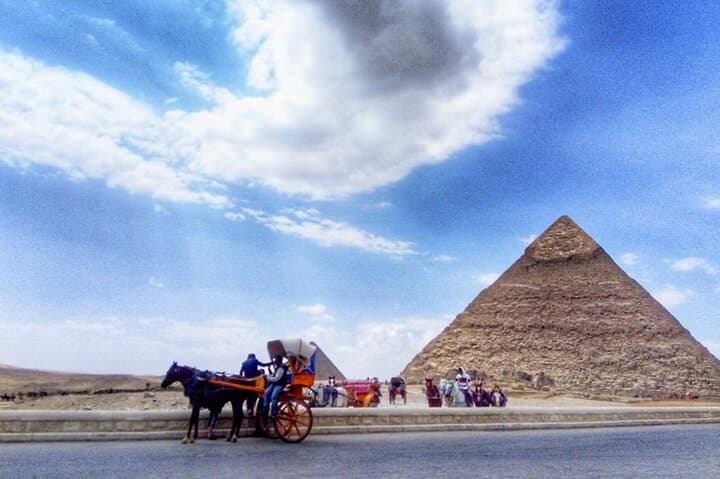
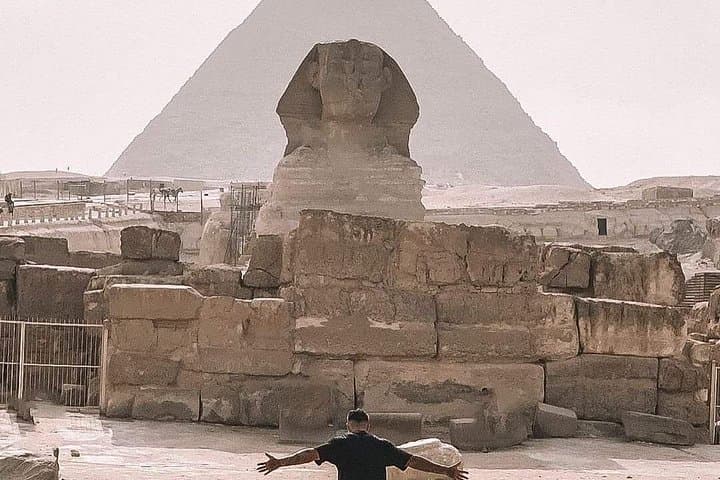
Morning light cuts across the dusty plateau as a private van drops visitors at the edge of one of history’s largest constructions. The stones of Khufu catch the sun while the Sphinx watches, patient and immovable; from a wooden horse carriage, the plateau expands into broad views and measured pace as horses pick their way past ancient mastabas.
Verified experiences and guided adventures in the surrounding area.
Operated by Sun Pyramids Vip Tours · Giza, Giza Governorate
Morning light cuts across the dusty plateau as a private van drops visitors at the edge of one of history’s largest constructions. The stones of Khufu catch the sun while the Sphinx watches, patient and immovable; from a wooden horse carriage, the plateau expands into broad views and measured pace as horses pick their way past ancient mastabas.
The Giza plateau formed over 4,500 years ago as pharaonic tombs for kings like Khufu, Khafre and Menkaure. Geologically the site sits on limestone bedrock that human hands shaped into blocks weighing tons; culturally, the pyramids remain a center of Egyptian heritage and local livelihoods—guides, carriage drivers and vendors who have long worked around the monuments.
This half-day private tour pairs guided interpretation with a one-hour horse carriage circuit, plus stops at the Sphinx and the Valley Temple. It’s built for spectatorship rather than strenuous hiking: expect short walks on compacted sand, paved sections near ticketed areas and broad, open exposure to sun and wind.
Practical guidance: arrive early to avoid heat and midday crowds, bring sun protection and at least one liter of water, and confirm pickup details since the tour includes hotel transfers by air-conditioned vehicle. Respect site rules—stay on designated paths, follow your Egyptologist’s notes on where photography is allowed, and negotiate extras like photos or camel rides up front. For a compact, accessible introduction to Giza, the carriage ride widens perspective while a local guide anchors the stones to story and context.
easy.
4 hours.
Minimal fitness required; able-bodied travellers who can manage brief walks and step-ups are fine.
This half-day tour notes admission included for the listed stops; verify whether entry inside a pyramid is part of the itinerary, as that sometimes requires an additional ticket.
Carriage services are common at Giza; choose licensed operators through your tour provider and follow handler instructions—avoid unregulated rides away from official paths.
The provider lists wheelchair-accessible transport; however, some plateau areas and carriage boarding may still present challenges—discuss specific needs with the operator in advance.
Tipping is customary: small tips for the Egyptologist guide and carriage driver are appreciated—adjust amounts based on service and group size.
The Giza pyramids were constructed in the Old Kingdom (c. 2600–2500 BCE) as monumental tombs for pharaohs; nearby temples and boat pits reflect funerary practices tied to afterlife beliefs.
Conservation efforts focus on controlling visitor impact and pollution; staying on marked routes and heeding guide instructions helps protect fragile stonework and archaeological context.
Sun Pyramids Vip Tours operates guided outdoor trips and adventures with an emphasis on safety, stewardship, and memorable experiences.
Morning light cuts across the dusty plateau as a private van drops visitors at the edge of one of history’s largest constructions. The stones of Khufu catch the sun while the Sphinx watches, patient and immovable; from a wooden horse carriage, the plateau expands into broad views and measured pace as horses pick their way past ancient mastabas.
Morning light cuts across the dusty plateau as a private van drops visitors at the edge of one of history’s largest constructions. The stones of Khufu catch the sun while the Sphinx watches, patient and immovable; from a wooden horse carriage, the plateau expands into broad views and measured pace as horses pick their way past ancient mastabas.
The Giza plateau formed over 4,500 years ago as pharaonic tombs for kings like Khufu, Khafre and Menkaure. Geologically the site sits on limestone bedrock that human hands shaped into blocks weighing tons; culturally, the pyramids remain a center of Egyptian heritage and local livelihoods—guides, carriage drivers and vendors who have long worked around the monuments.
This half-day private tour pairs guided interpretation with a one-hour horse carriage circuit, plus stops at the Sphinx and the Valley Temple. It’s built for spectatorship rather than strenuous hiking: expect short walks on compacted sand, paved sections near ticketed areas and broad, open exposure to sun and wind.
Practical guidance: arrive early to avoid heat and midday crowds, bring sun protection and at least one liter of water, and confirm pickup details since the tour includes hotel transfers by air-conditioned vehicle. Respect site rules—stay on designated paths, follow your Egyptologist’s notes on where photography is allowed, and negotiate extras like photos or camel rides up front. For a compact, accessible introduction to Giza, the carriage ride widens perspective while a local guide anchors the stones to story and context.