THE ADVENTURE COLLECTIVE® · Independent discovery and booking for outdoor travel

Witness the Great Pyramids and the newly opened galleries of the Grand Egyptian Museum on a private, full-day Cairo tour that includes a complimentary night in the city. Start early, dress for sun and sand, and expect a mix of ancient engineering, museum conservation, and vibrant street culture.
Witness the Great Pyramids and the newly opened galleries of the Grand Egyptian Museum on a private, full-day Cairo tour that includes a complimentary night in the city. Start early, dress for sun and sand, and expect a mix of ancient engineering, museum conservation, and vibrant street culture.
You arrive at first light: the plateau breathes dust and sun, the Great Pyramid’s edges catching a thin gold. Guides move with practiced ease, and the Sphinx sits watchful, its weathered face testing your sense of scale—these stones don't just occupy space, they demand attention.
Verified experiences and guided adventures in the surrounding area.
Operated by Youssef Mohamed · Giza, Cairo Governorate
You arrive at first light: the plateau breathes dust and sun, the Great Pyramid’s edges catching a thin gold. Guides move with practiced ease, and the Sphinx sits watchful, its weathered face testing your sense of scale—these stones don't just occupy space, they demand attention.
The Giza Plateau is both archaeological stage and geographic feature. The pyramids—built as royal tombs over 4,500 years ago—rise from Pliocene limestone, their blocks quarried locally and set against the older bedrock below. Nearby, the Grand Egyptian Museum (GEM) re-houses artifacts that trace millennia of pharaonic Egypt; recent galleries focus on Tutankhamun and conservation labs open to public view.
Culture here is tactile: vendors call out handcrafted scarabs and koshari stalls scent the air, while Egyptian guides fold history into human stories—dynasties, funerary rites, and engineering choices that shaped the Nile's civilizations.
Practical guidance: this is a full-day, mostly easy walking tour (6–8 hours) with time for lunch; note that museum admissions are often separate from private transfers. Start early to avoid heat and crowds, wear sturdy closed shoes for uneven stone and sand, and carry sun protection and at least 2 liters of water. Cameras are welcome but check signage at each site—some exhibits restrict flash or tripods. If visiting during peak summer, plan for midday shelter in the museum galleries; during cooler months the plateau is excellent for longer walks and photography.
Approach the day with curiosity and respect: stay on designated paths, follow your Egyptologist’s guidance, and leave the stones—and their stories—intact for the next traveler.
easy.
6–8 hours.
Light walking ability; must be comfortable on uneven ground and short stair sections.
Not usually; many private tours include transfers and a guide but require separate admission fees for the pyramid complex interiors and museum galleries—confirm at booking.
This private tour runs about 6–8 hours and typically includes hotel pickup and drop-off in central Cairo as part of transfers.
Access to the pyramid interior is limited, may require an additional ticket, and can be claustrophobic—check availability and physical requirements before entering.
Lightweight, modest clothing that covers shoulders and knees is advisable for museums and religious sites; comfortable shoes are important for the plateau.
The Giza Pyramids date to Egypt's Fourth Dynasty (c. 2600–2500 BCE); the Grand Egyptian Museum centralizes artifacts from across Egyptian history, including extensive Tutankhamun holdings.
The GEM emphasizes artifact conservation and reduced handling; at the plateau, site managers encourage staying on marked paths to protect fragile structures and desert soils.
Youssef Mohamed operates guided outdoor trips and adventures with an emphasis on safety, stewardship, and memorable experiences.
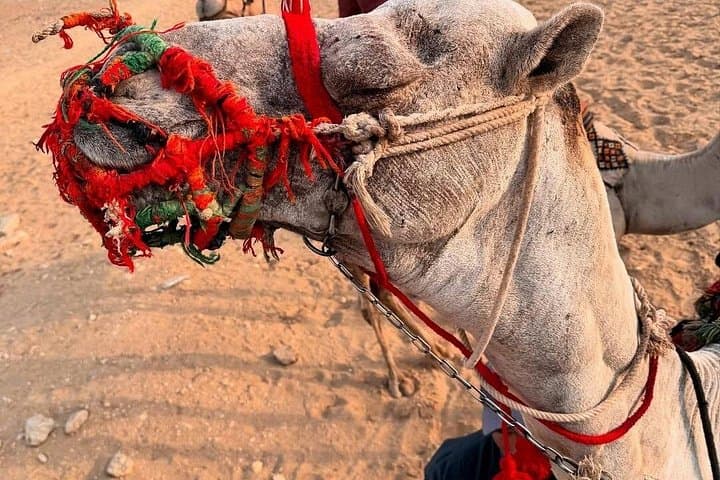
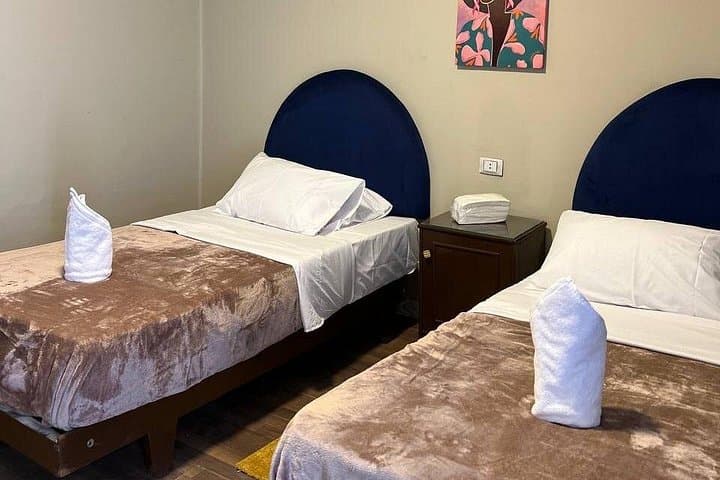
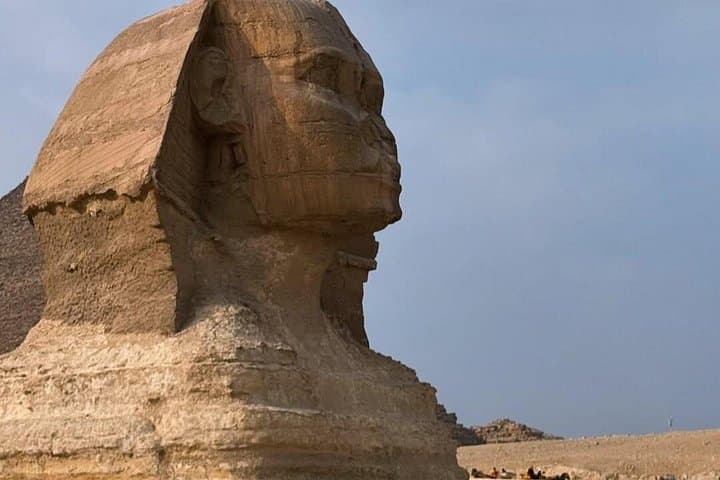
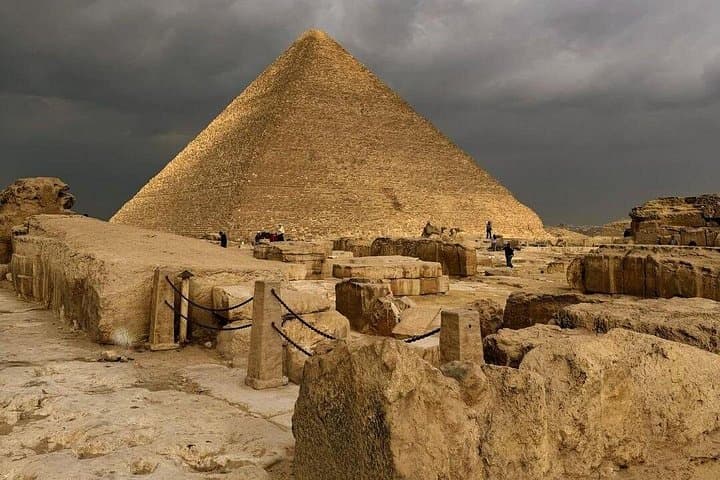
You arrive at first light: the plateau breathes dust and sun, the Great Pyramid’s edges catching a thin gold. Guides move with practiced ease, and the Sphinx sits watchful, its weathered face testing your sense of scale—these stones don't just occupy space, they demand attention.
You arrive at first light: the plateau breathes dust and sun, the Great Pyramid’s edges catching a thin gold. Guides move with practiced ease, and the Sphinx sits watchful, its weathered face testing your sense of scale—these stones don't just occupy space, they demand attention.
The Giza Plateau is both archaeological stage and geographic feature. The pyramids—built as royal tombs over 4,500 years ago—rise from Pliocene limestone, their blocks quarried locally and set against the older bedrock below. Nearby, the Grand Egyptian Museum (GEM) re-houses artifacts that trace millennia of pharaonic Egypt; recent galleries focus on Tutankhamun and conservation labs open to public view.
Culture here is tactile: vendors call out handcrafted scarabs and koshari stalls scent the air, while Egyptian guides fold history into human stories—dynasties, funerary rites, and engineering choices that shaped the Nile's civilizations.
Practical guidance: this is a full-day, mostly easy walking tour (6–8 hours) with time for lunch; note that museum admissions are often separate from private transfers. Start early to avoid heat and crowds, wear sturdy closed shoes for uneven stone and sand, and carry sun protection and at least 2 liters of water. Cameras are welcome but check signage at each site—some exhibits restrict flash or tripods. If visiting during peak summer, plan for midday shelter in the museum galleries; during cooler months the plateau is excellent for longer walks and photography.
Approach the day with curiosity and respect: stay on designated paths, follow your Egyptologist’s guidance, and leave the stones—and their stories—intact for the next traveler.