THE ADVENTURE COLLECTIVE® · Independent discovery and booking for outdoor travel

Combine the ancient scale of the Giza pyramids with a gentle felucca ride on the Nile in a single private day. Expect close-up views of Khufu, Khafre and the Sphinx, followed by an hour of wind-driven river calm.
Combine the ancient scale of the Giza pyramids with a gentle felucca ride on the Nile in a single private day. Expect close-up views of Khufu, Khafre and the Sphinx, followed by an hour of wind-driven river calm.
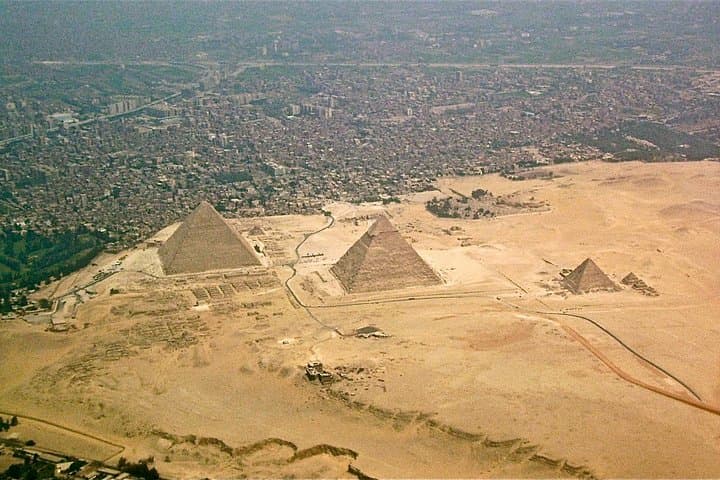
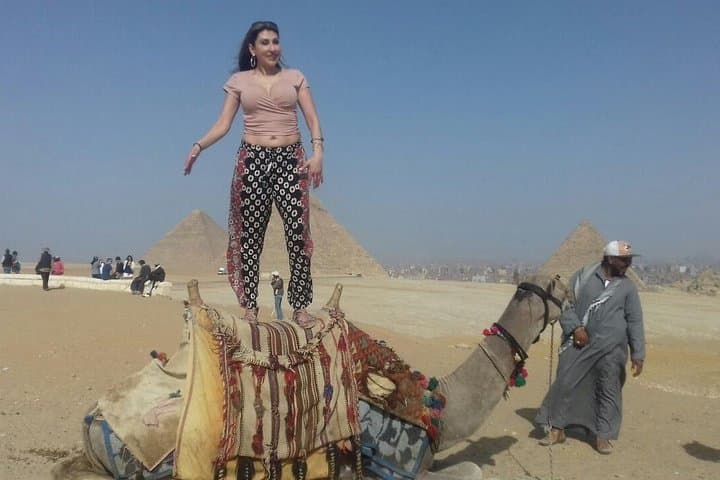
You arrive in the dry heat of midday with the desert sun flattening shadows across limestone blocks; the Great Pyramid rises like a deliberate challenge—rough, immense and silent—while the Sphinx watches traffic and tourists with an unchanged expression. The stones underfoot carry centuries: mortarless masonry from the Old Kingdom, quarry scars, and later repairs that mark human hands across millennia.
Verified experiences and guided adventures in the surrounding area.
Operated by Egypt lovely holidays · Giza, Giza Governorate
You arrive in the dry heat of midday with the desert sun flattening shadows across limestone blocks; the Great Pyramid rises like a deliberate challenge—rough, immense and silent—while the Sphinx watches traffic and tourists with an unchanged expression. The stones underfoot carry centuries: mortarless masonry from the Old Kingdom, quarry scars, and later repairs that mark human hands across millennia.
This combined day tour pairs archaeology with river life. The Giza Plateau holds the Great Pyramid of Khufu, Khafre’s pyramid still capped by casing stones near the top, and Menkaure’s smaller structure; the Sphinx—cut from the bedrock—anchors funerary complex engineering and ancient ritual pathways. Geologically, you’re on Pleistocene limestone and compacted sand deposits; culturally, the plateau has been a focus of pilgrimage, scholarship, and tourism for 4,500 years.
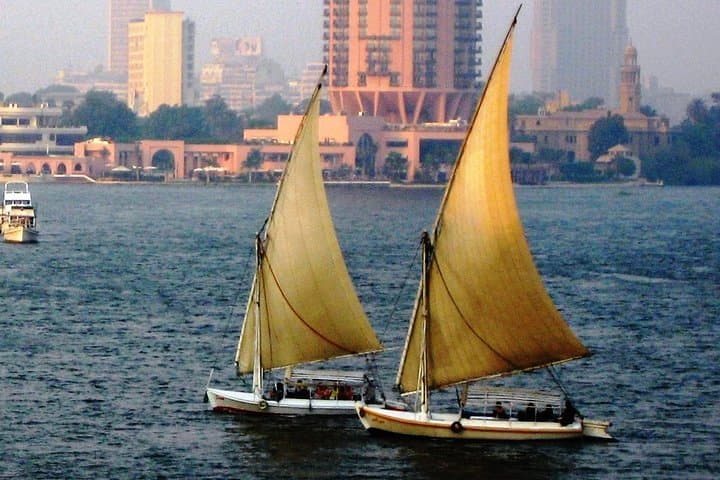
Transitioning downstream, the Nile shifts tone from monumental to intimate: a traditional felucca slips along under a linen sail, wind nudging passengers past palm-lined quays and fishermen repairing nets. The river moves like a quiet planner, pushing the city’s rhythm forward.
Practical guidance: plan 6–8 hours, wear sturdy walking shoes for uneven stone and sand, and bring sun protection and at least 2 liters of water. Cameras are fine but expect checkpoints and possible bag checks; tipping the licensed guide is customary. The felucca leg is calm but can be cool on the water—bring a light layer. For a focused day in Cairo, this private combination delivers monumental history and restful river time in one itinerary.
moderate.
6–8 hours.
Requires moderate fitness for walking on uneven surfaces and some standing; comfortable for most travelers who can manage several hours on foot.
Site admission is not always included; check your booking details—your private guide typically handles ticket purchase and logistics at the gate.
The itinerary includes about a 60-minute felucca sail—enough time to relax on the water and view the riverbanks.
Handheld cameras are allowed; drones are restricted and usually require special permits—ask your guide before attempting.
Yes, with caveats: moderate mobility is required for uneven terrain; infants and children should be supervised, and some guests may prefer to skip the longer walks.
The Giza complex dates to Egypt’s Fourth Dynasty (c. 2600–2500 BCE) and served as royal tomb complexes and ritual landscapes for pharaonic funerary rites.
Ongoing conservation balances tourism and preservation—stay on marked paths and avoid touching ancient stone to limit erosion and wear.
Egypt lovely holidays operates guided outdoor trips and adventures with an emphasis on safety, stewardship, and memorable experiences.
You arrive in the dry heat of midday with the desert sun flattening shadows across limestone blocks; the Great Pyramid rises like a deliberate challenge—rough, immense and silent—while the Sphinx watches traffic and tourists with an unchanged expression. The stones underfoot carry centuries: mortarless masonry from the Old Kingdom, quarry scars, and later repairs that mark human hands across millennia.
You arrive in the dry heat of midday with the desert sun flattening shadows across limestone blocks; the Great Pyramid rises like a deliberate challenge—rough, immense and silent—while the Sphinx watches traffic and tourists with an unchanged expression. The stones underfoot carry centuries: mortarless masonry from the Old Kingdom, quarry scars, and later repairs that mark human hands across millennia.
This combined day tour pairs archaeology with river life. The Giza Plateau holds the Great Pyramid of Khufu, Khafre’s pyramid still capped by casing stones near the top, and Menkaure’s smaller structure; the Sphinx—cut from the bedrock—anchors funerary complex engineering and ancient ritual pathways. Geologically, you’re on Pleistocene limestone and compacted sand deposits; culturally, the plateau has been a focus of pilgrimage, scholarship, and tourism for 4,500 years.
Transitioning downstream, the Nile shifts tone from monumental to intimate: a traditional felucca slips along under a linen sail, wind nudging passengers past palm-lined quays and fishermen repairing nets. The river moves like a quiet planner, pushing the city’s rhythm forward.
Practical guidance: plan 6–8 hours, wear sturdy walking shoes for uneven stone and sand, and bring sun protection and at least 2 liters of water. Cameras are fine but expect checkpoints and possible bag checks; tipping the licensed guide is customary. The felucca leg is calm but can be cool on the water—bring a light layer. For a focused day in Cairo, this private combination delivers monumental history and restful river time in one itinerary.