THE ADVENTURE COLLECTIVE® · Independent discovery and booking for outdoor travel

Make the most of a Cairo layover with a five-hour circuit that pairs the Giza pyramids and Sphinx with a short felucca ride on the Nile. Fast-paced and guide-led, it’s ideal for travelers with limited time who want a targeted taste of ancient Egypt.
Make the most of a Cairo layover with a five-hour circuit that pairs the Giza pyramids and Sphinx with a short felucca ride on the Nile. Fast-paced and guide-led, it’s ideal for travelers with limited time who want a targeted taste of ancient Egypt.
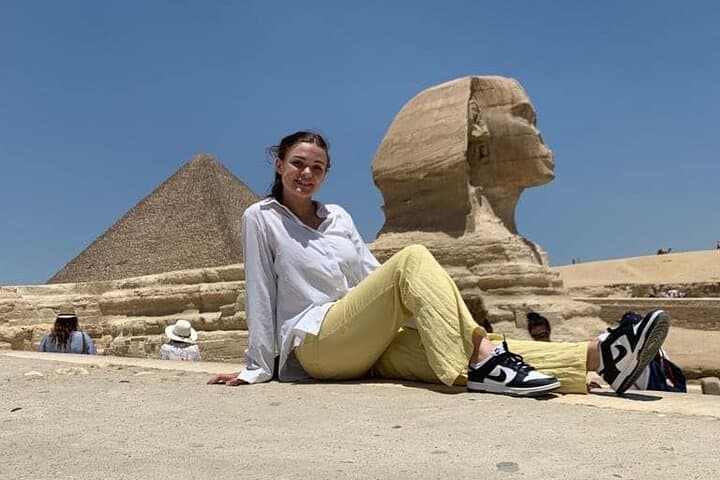
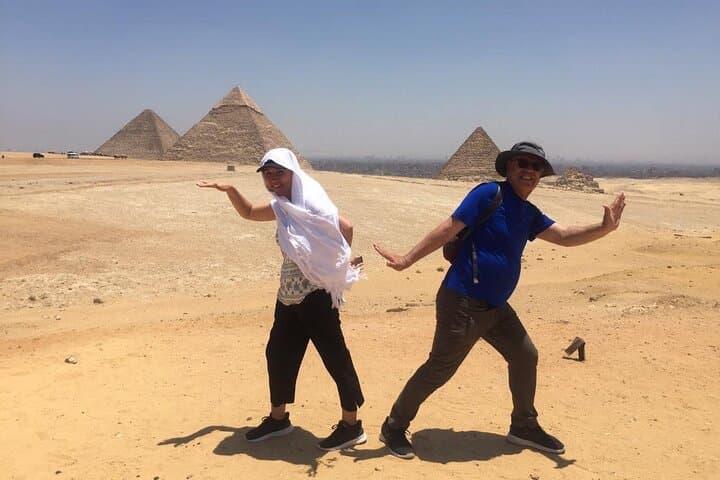
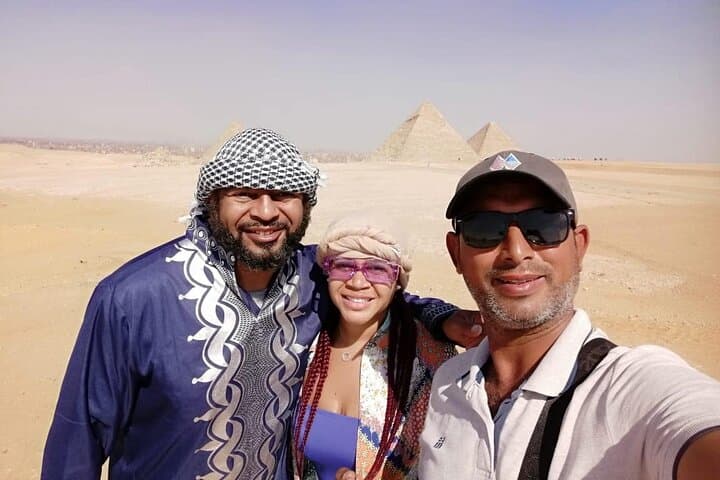
You step from the airport into a dry, bright air that presses the edges of the modern city away, and minutes later the plateau rises before you: three geometric ridges of stone—Khufu, Khafre and Menkaure—sculpting the skyline with blunt, ancient geometry.
Verified experiences and guided adventures in the surrounding area.
Operated by Hesham Egypt tour guide · Giza, Giza Governorate
You step from the airport into a dry, bright air that presses the edges of the modern city away, and minutes later the plateau rises before you: three geometric ridges of stone—Khufu, Khafre and Menkaure—sculpting the skyline with blunt, ancient geometry.
The guide leads a measured loop: viewpoints at the base of the pyramids, the Sphinx’s weathered face, and the Valley Temple with its blocks of dressed stone. Beneath soles of dust and sand, geology reads like edited history—limestone bedrock quarried and shaped more than 4,500 years ago. After the plateau, the mood shifts; the Nile unfurls itself in broad, slow curves and a low-slung felucca waits to rock the group for a short sail, the river pushing gentle reflections against the hull.
Culturally, the route stitches pharaonic monuments to modern Cairo: local stalls selling papyrus and small statues, the calls of vendors, and the steady stream of guides translating inscriptions into context. Practicalities rule the visit: the main complexes do not include interior pyramid access on every ticket, and time margins depend on airport procedures. Travelers should budget five hours total, expect uneven ground and sun exposure, and plan pickups that allow for customs and security.
This is a layover designed to maximize a short window—intense, tactile and logistical: photograph vantage points quickly, respect restricted areas, sip water before boarding the felucca, and keep transit times firm to ensure you return to the airport with time to spare.
easy.
5 hours.
Suitable for most fitness levels; requires short walks on uneven ground and minimal stair use.
No; standard layover tours typically include viewpoints and the Valley Temple but not interior pyramid access. Ask your operator if you want tickets to enter a pyramid, which may require extra time and cost.
The tour offers a short felucca leg—usually 30–60 minutes depending on schedule and river conditions—designed to fit the layover window.
Yes; this private tour includes pickup from Cairo Airport and return transfer—confirm your flight details and allow adequate time for immigration and security.
Light carry-ons are usually accommodated in the private vehicle; large checked luggage should remain at the airport or in secure storage when possible.
The Giza necropolis was constructed during Egypt’s Fourth Dynasty (c. 2600–2500 BCE) with the Great Pyramid attributed to Khufu (Cheops), Khafre (Chephren) and Menkaure (Mykerinos) following.
Visitor pressure and modern pollution impact the site; stick to marked paths, avoid touching carved surfaces and support licensed guides to help protect the monuments.
Hesham Egypt tour guide operates guided outdoor trips and adventures with an emphasis on safety, stewardship, and memorable experiences.

You step from the airport into a dry, bright air that presses the edges of the modern city away, and minutes later the plateau rises before you: three geometric ridges of stone—Khufu, Khafre and Menkaure—sculpting the skyline with blunt, ancient geometry.
You step from the airport into a dry, bright air that presses the edges of the modern city away, and minutes later the plateau rises before you: three geometric ridges of stone—Khufu, Khafre and Menkaure—sculpting the skyline with blunt, ancient geometry.
The guide leads a measured loop: viewpoints at the base of the pyramids, the Sphinx’s weathered face, and the Valley Temple with its blocks of dressed stone. Beneath soles of dust and sand, geology reads like edited history—limestone bedrock quarried and shaped more than 4,500 years ago. After the plateau, the mood shifts; the Nile unfurls itself in broad, slow curves and a low-slung felucca waits to rock the group for a short sail, the river pushing gentle reflections against the hull.
Culturally, the route stitches pharaonic monuments to modern Cairo: local stalls selling papyrus and small statues, the calls of vendors, and the steady stream of guides translating inscriptions into context. Practicalities rule the visit: the main complexes do not include interior pyramid access on every ticket, and time margins depend on airport procedures. Travelers should budget five hours total, expect uneven ground and sun exposure, and plan pickups that allow for customs and security.
This is a layover designed to maximize a short window—intense, tactile and logistical: photograph vantage points quickly, respect restricted areas, sip water before boarding the felucca, and keep transit times firm to ensure you return to the airport with time to spare.