THE ADVENTURE COLLECTIVE® · Independent discovery and booking for outdoor travel

See the Giza Plateau’s monumental pyramids by day, roam local bazaars for papyrus and cotton, then unwind on a two-hour evening Nile dinner cruise with live entertainment. This private tour pairs Egyptology with hands-on local encounters and practical logistics.
See the Giza Plateau’s monumental pyramids by day, roam local bazaars for papyrus and cotton, then unwind on a two-hour evening Nile dinner cruise with live entertainment. This private tour pairs Egyptology with hands-on local encounters and practical logistics.
You arrive at dawn to a wind that feels like an ancient script being turned—sand lifts, light sharpens along limestone faces, and the three great pyramids of Giza stand like careful architects of time. The plateau opens in tiered stages: broad, dusty approaches, the abrupt vertical of casing stones, and the long, low silhouette of the Sphinx keeping watch.
Verified experiences and guided adventures in the surrounding area.
Operated by Hesham Egypt tour guide · Giza, Giza Governorate
You arrive at dawn to a wind that feels like an ancient script being turned—sand lifts, light sharpens along limestone faces, and the three great pyramids of Giza stand like careful architects of time. The plateau opens in tiered stages: broad, dusty approaches, the abrupt vertical of casing stones, and the long, low silhouette of the Sphinx keeping watch.
This route threads history, geology and everyday Cairo life. The pyramids date from the Old Kingdom (around 2580–2560 BCE for Khufu) and are built from local limestone and Tura marble quarried along the Nile; you’ll hear Egyptological context from a guide and pass the Valley Temple where mortuary rituals once took place. Later, the Nile—still a city’s lifeblood—offers a gentler pace: broad water pushing the current of commerce and evening light as feluccas and modern boats glide past.
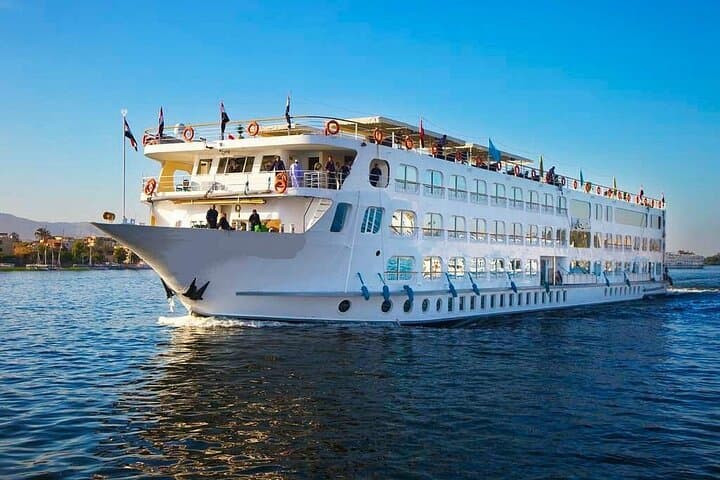
Between monuments you’ll step into bazaars that sell papyrus, Egyptian cotton and hand-blown perfumes—markets shaped by centuries of trade. The evening two-hour dinner cruise presents Cairo’s riverfront by night with buffet service and traditional dance.
Practical edge: the day runs about five hours with modest walking, short camel ride (about 15 minutes), and periods of standing for photos. Expect sun, dust and crowds; plan for layered clothing, closed shoes for the plateau, and a reusable water bottle you can refill. Choose an early start for cooler temperatures and clearer light, and save your bargaining energy for the bazaars—you’ll want it.
easy.
5 hours.
Suitable for most fitness levels; requires short walks on uneven ground and standing for guided explanations
The camel ride included in the tour is approximately 15 minutes, typically on flat approaches to the plateau for photo opportunities.
This tour lists pyramid visits but does not include official site admission; verify admission details with your operator before booking.
Yes; the two-hour dinner cruise is family-friendly with buffet dining and cultural performances—supervision is advisable for young children near railings.
Round-trip pickup and drop-off from Cairo or Giza hotels are included; you’ll select your pickup point when booking.
The Giza complex was constructed during Egypt’s Fourth Dynasty; the pyramids served as tombs for pharaohs and were part of larger funerary complexes that included mortuary temples and causeways.
Visitor impacts include erosion of pathways and litter on the plateau; stick to designated routes, avoid climbing monuments, and use refillable water to reduce plastic waste.
Hesham Egypt tour guide operates guided outdoor trips and adventures with an emphasis on safety, stewardship, and memorable experiences.


You arrive at dawn to a wind that feels like an ancient script being turned—sand lifts, light sharpens along limestone faces, and the three great pyramids of Giza stand like careful architects of time. The plateau opens in tiered stages: broad, dusty approaches, the abrupt vertical of casing stones, and the long, low silhouette of the Sphinx keeping watch.
You arrive at dawn to a wind that feels like an ancient script being turned—sand lifts, light sharpens along limestone faces, and the three great pyramids of Giza stand like careful architects of time. The plateau opens in tiered stages: broad, dusty approaches, the abrupt vertical of casing stones, and the long, low silhouette of the Sphinx keeping watch.
This route threads history, geology and everyday Cairo life. The pyramids date from the Old Kingdom (around 2580–2560 BCE for Khufu) and are built from local limestone and Tura marble quarried along the Nile; you’ll hear Egyptological context from a guide and pass the Valley Temple where mortuary rituals once took place. Later, the Nile—still a city’s lifeblood—offers a gentler pace: broad water pushing the current of commerce and evening light as feluccas and modern boats glide past.
Between monuments you’ll step into bazaars that sell papyrus, Egyptian cotton and hand-blown perfumes—markets shaped by centuries of trade. The evening two-hour dinner cruise presents Cairo’s riverfront by night with buffet service and traditional dance.
Practical edge: the day runs about five hours with modest walking, short camel ride (about 15 minutes), and periods of standing for photos. Expect sun, dust and crowds; plan for layered clothing, closed shoes for the plateau, and a reusable water bottle you can refill. Choose an early start for cooler temperatures and clearer light, and save your bargaining energy for the bazaars—you’ll want it.