THE ADVENTURE COLLECTIVE® · Independent discovery and booking for outdoor travel

Walk the Giza Plateau with an Egyptologist and see the Great Pyramid, Sphinx and Valley Temple on a 3–4 hour guided tour. Practical tips on timing, terrain and what’s included help you plan whether you’re aiming for sunrise light or a cooler afternoon visit.
Walk the Giza Plateau with an Egyptologist and see the Great Pyramid, Sphinx and Valley Temple on a 3–4 hour guided tour. Practical tips on timing, terrain and what’s included help you plan whether you’re aiming for sunrise light or a cooler afternoon visit.
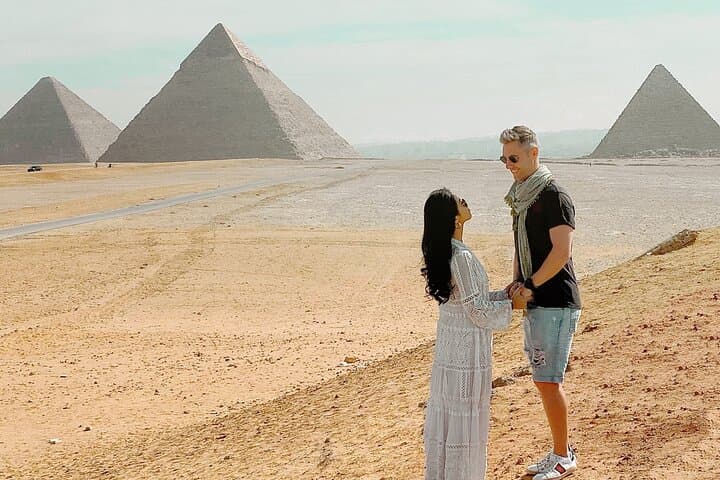
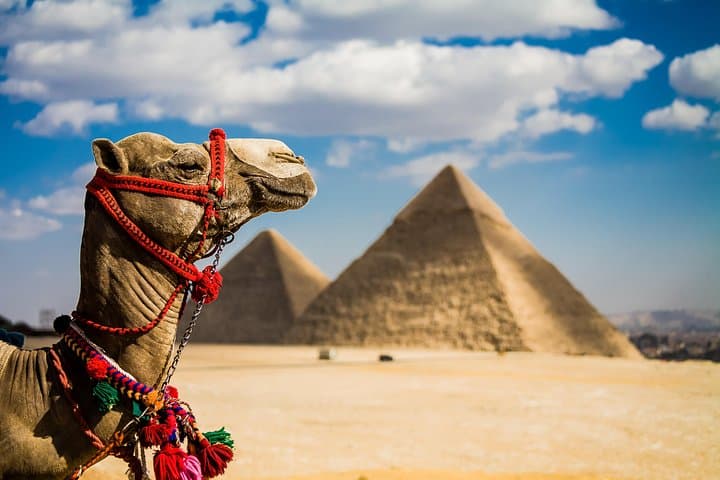
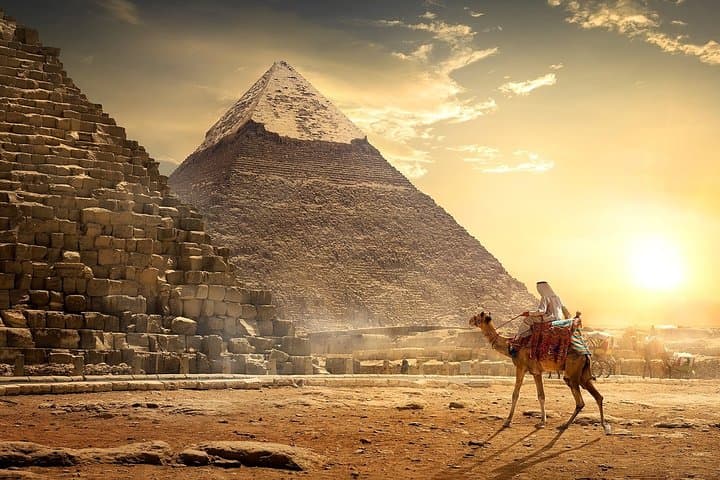
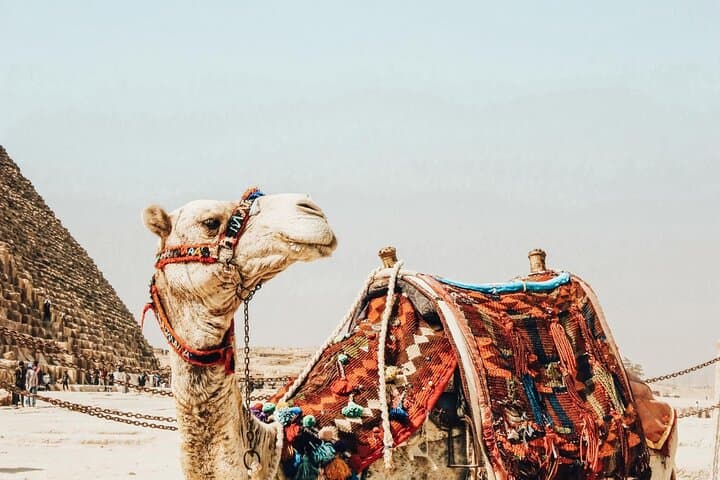
Standing on the limestone sweep of the Giza Plateau, the Pyramids push up from the desert like deliberate machines built to outlast empires. A local Egyptologist guides small groups between the Great Pyramid of Khufu, Khafre's angled silhouette and Menkaure’s compact form, pausing at the Great Sphinx where wind-polished stone keeps its silence.
Verified experiences and guided adventures in the surrounding area.
Operated by Ramasside Tours · Giza, Cairo Governorate
Standing on the limestone sweep of the Giza Plateau, the Pyramids push up from the desert like deliberate machines built to outlast empires. A local Egyptologist guides small groups between the Great Pyramid of Khufu, Khafre's angled silhouette and Menkaure’s compact form, pausing at the Great Sphinx where wind-polished stone keeps its silence.
These monuments date to Egypt’s Old Kingdom (c. 2686–2181 BCE); the Great Pyramid was completed around 2560 BCE as the tomb of Pharaoh Khufu. The plateau’s bedrock and quarried limestone tell the same story the guides narrate: an engineered landscape shaped by quarrying, transport and astronomical alignments. Nearby, the Valley Temple and the Solar Boat Museum offer quieter artifacts and context beyond the photogenic faces.
Expect a 3–4 hour outing with hotel pickup and air‑conditioned transport. Terrain is mainly flat but uneven—packed sand, loose stones and paved ramps—so steady footwear is important. Peak sun between late morning and mid‑afternoon makes early starts or late afternoons better for light and cooler temperatures. Interiors of pyramids are subject to separate entry rules and can be excluded; ask about inclusion when you book.
Bring water, sun protection, a camera with spare power, and cash for tipping and small purchases. If you want fewer crowds, request an early departure and plan an add‑on visit to Saqqara or the Solar Boat Museum. Guides can translate inscriptions, explain burial rites, and point out the subtle geometry that still fascinates architects and travelers alike. Book a guide to maximize context and early access when possible.
easy.
3–4 hours.
Light walking ability; able to stand and walk on uneven ground for several hours.
Interior access is not automatically guaranteed; entrances are limited and often require a separate ticket—confirm with the operator when booking.
Yes; the tour includes pickup and return by modern air‑conditioned vehicle from central Cairo hotels.
The operator lists wheelchair‑accessible transportation and surfaces for much of the site, but certain ruins and slopes may remain challenging—check specific accessibility needs in advance.
Typical duration is 3–4 hours with light to moderate walking over uneven ground and short uphill ramps on the plateau.
The Giza complex was built during Egypt’s Old Kingdom; the Great Pyramid (Khufu) dates to c. 2560 BCE and served as a royal tomb within a larger funerary landscape.
High visitor numbers and urban pollution stress the stone surfaces; follow marked paths, avoid touching carved faces and support operators that limit group sizes and use responsible transport.
Ramasside Tours operates guided outdoor trips and adventures with an emphasis on safety, stewardship, and memorable experiences.
Standing on the limestone sweep of the Giza Plateau, the Pyramids push up from the desert like deliberate machines built to outlast empires. A local Egyptologist guides small groups between the Great Pyramid of Khufu, Khafre's angled silhouette and Menkaure’s compact form, pausing at the Great Sphinx where wind-polished stone keeps its silence.
Standing on the limestone sweep of the Giza Plateau, the Pyramids push up from the desert like deliberate machines built to outlast empires. A local Egyptologist guides small groups between the Great Pyramid of Khufu, Khafre's angled silhouette and Menkaure’s compact form, pausing at the Great Sphinx where wind-polished stone keeps its silence.
These monuments date to Egypt’s Old Kingdom (c. 2686–2181 BCE); the Great Pyramid was completed around 2560 BCE as the tomb of Pharaoh Khufu. The plateau’s bedrock and quarried limestone tell the same story the guides narrate: an engineered landscape shaped by quarrying, transport and astronomical alignments. Nearby, the Valley Temple and the Solar Boat Museum offer quieter artifacts and context beyond the photogenic faces.
Expect a 3–4 hour outing with hotel pickup and air‑conditioned transport. Terrain is mainly flat but uneven—packed sand, loose stones and paved ramps—so steady footwear is important. Peak sun between late morning and mid‑afternoon makes early starts or late afternoons better for light and cooler temperatures. Interiors of pyramids are subject to separate entry rules and can be excluded; ask about inclusion when you book.
Bring water, sun protection, a camera with spare power, and cash for tipping and small purchases. If you want fewer crowds, request an early departure and plan an add‑on visit to Saqqara or the Solar Boat Museum. Guides can translate inscriptions, explain burial rites, and point out the subtle geometry that still fascinates architects and travelers alike. Book a guide to maximize context and early access when possible.