THE ADVENTURE COLLECTIVE® · Independent discovery and booking for outdoor travel

See the Giza pyramids and Sphinx, explore the Egyptian Museum’s pharaonic treasures, then unwind with dinner and entertainment on a two-hour Nile cruise—an accessible full-day cultural loop through Cairo’s most iconic sites.
See the Giza pyramids and Sphinx, explore the Egyptian Museum’s pharaonic treasures, then unwind with dinner and entertainment on a two-hour Nile cruise—an accessible full-day cultural loop through Cairo’s most iconic sites.
The first light hits the Giza Plateau and the stones appear to rearrange themselves—angles and shadows defining the Great Pyramid as if it were a living geometry. Visitors start on the warm, stony apron below Cheops, Chephren and Mykerinus, feeling the scale of human ambition beside the silent Sphinx.
Verified experiences and guided adventures in the surrounding area.
Operated by Sun Pyramids Vip Tours · Cairo, Cairo Governorate
The first light hits the Giza Plateau and the stones appear to rearrange themselves—angles and shadows defining the Great Pyramid as if it were a living geometry. Visitors start on the warm, stony apron below Cheops, Chephren and Mykerinus, feeling the scale of human ambition beside the silent Sphinx.
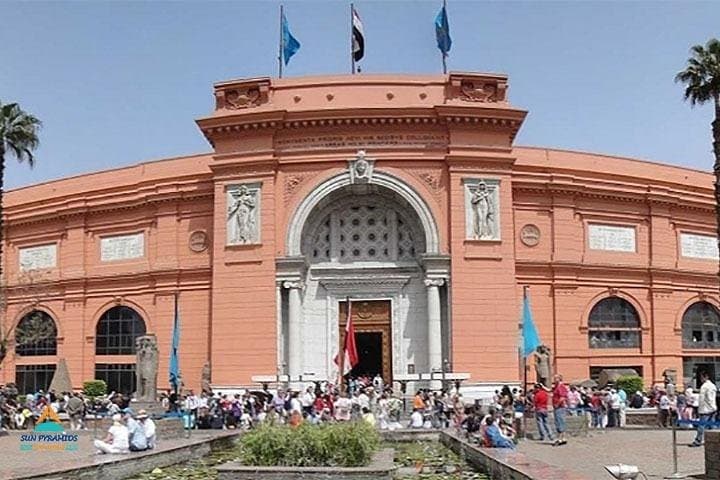
This day pairs ancient spectacle with museum depth and an evening on the Nile. The Giza monuments rest on a limestone plateau formed by uplifted shallow-sea deposits; the pyramids’ geometry and mortar tell a story of Old Kingdom engineering, quarry logistics and funerary practice. In downtown Cairo, the Egyptian Museum houses five millennia of artifacts—royal burial goods, daily objects and the gold of Tutankhamun—offering context to what the stones on the plateau imply about life, death and statecraft.
As dusk falls, the Nile becomes a slow-moving stage: lights on the embankment, a dinner cruise with folkloric and belly-dance performances, and the river itself insisting you keep moving downstream, if only in thought.
Practical guidance: the combined itinerary is long but low-impact—expect several hours of uneven walking around the pyramids and museum, short transfers, and a relaxed two-hour cruise after a break. Carry sun protection and comfortable walking shoes, bring photocopies of important documents, and plan for security checks. For photography, early morning light and late-afternoon golden hour are best; the museum is cooler and air-conditioned. Timing your rest between the daytime tour and the evening cruise makes the day enjoyable rather than exhausting.
easy.
8–10 hours.
Light fitness required: several hours of walking with short uneven sections; minimal stair climbing in museum.
Yes—this tour includes entrance fees to the Giza Plateau pyramids and the Egyptian Museum as described in the itinerary.
Access inside certain pyramids can be restricted and may require an extra ticket onsite; check with your guide during the tour.
The cruise is low-impact and generally suitable for most ages; inform the operator of mobility needs so accommodations can be arranged.
The schedule provides roughly two hours back at the hotel for rest and freshening up before evening pickup for the cruise.
The Giza pyramids date to the Fourth Dynasty (c. 2600–2500 BCE) and reflect centralized state resources; the Egyptian Museum collects artifacts spanning pharaonic to Greco-Roman periods.
Visitor management focuses on protecting archaeological sites from erosion and tourist impact; stick to marked paths and avoid climbing on monuments to limit wear.
Sun Pyramids Vip Tours operates guided outdoor trips and adventures with an emphasis on safety, stewardship, and memorable experiences.
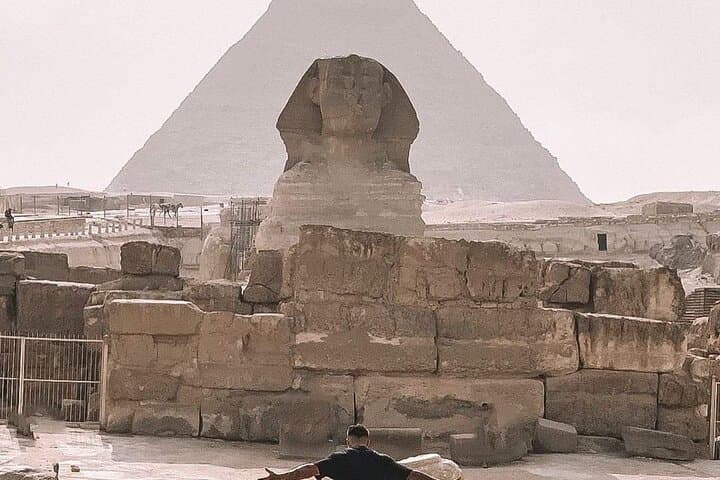
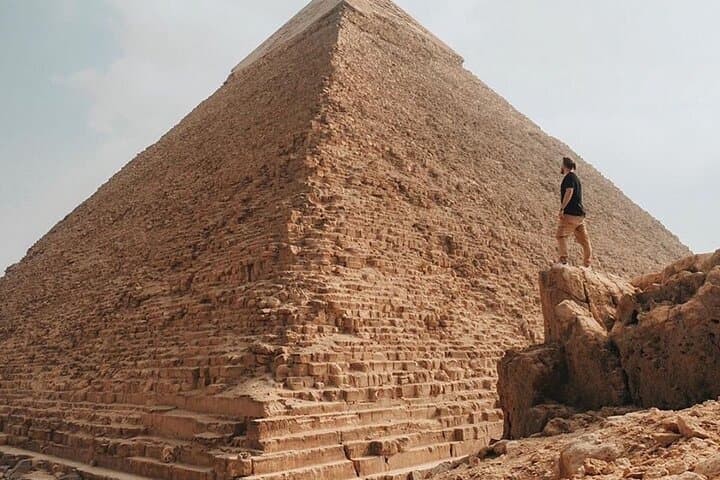
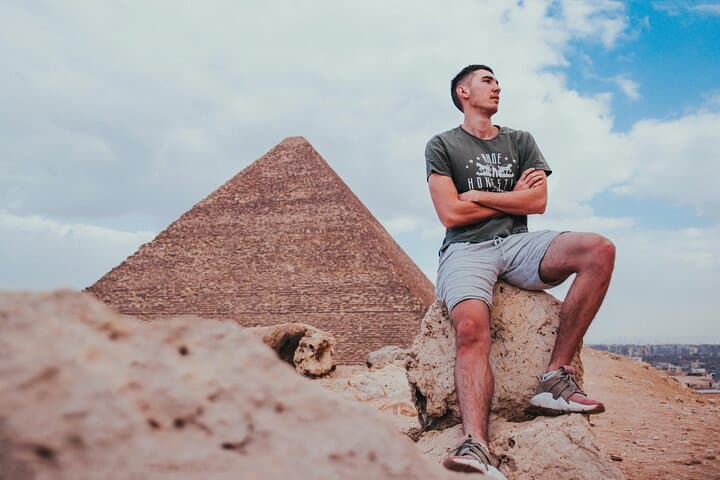
The first light hits the Giza Plateau and the stones appear to rearrange themselves—angles and shadows defining the Great Pyramid as if it were a living geometry. Visitors start on the warm, stony apron below Cheops, Chephren and Mykerinus, feeling the scale of human ambition beside the silent Sphinx.
The first light hits the Giza Plateau and the stones appear to rearrange themselves—angles and shadows defining the Great Pyramid as if it were a living geometry. Visitors start on the warm, stony apron below Cheops, Chephren and Mykerinus, feeling the scale of human ambition beside the silent Sphinx.
This day pairs ancient spectacle with museum depth and an evening on the Nile. The Giza monuments rest on a limestone plateau formed by uplifted shallow-sea deposits; the pyramids’ geometry and mortar tell a story of Old Kingdom engineering, quarry logistics and funerary practice. In downtown Cairo, the Egyptian Museum houses five millennia of artifacts—royal burial goods, daily objects and the gold of Tutankhamun—offering context to what the stones on the plateau imply about life, death and statecraft.
As dusk falls, the Nile becomes a slow-moving stage: lights on the embankment, a dinner cruise with folkloric and belly-dance performances, and the river itself insisting you keep moving downstream, if only in thought.
Practical guidance: the combined itinerary is long but low-impact—expect several hours of uneven walking around the pyramids and museum, short transfers, and a relaxed two-hour cruise after a break. Carry sun protection and comfortable walking shoes, bring photocopies of important documents, and plan for security checks. For photography, early morning light and late-afternoon golden hour are best; the museum is cooler and air-conditioned. Timing your rest between the daytime tour and the evening cruise makes the day enjoyable rather than exhausting.