THE ADVENTURE COLLECTIVE® · Independent discovery and booking for outdoor travel

Stand at the base of the Great Pyramid, feel the desert wind and take a short camel circuit before exploring the Egyptian Museum’s treasures. This private day tour combines concentrated archaeology, practical logistics, and a window into ancient funerary craft.
Stand at the base of the Great Pyramid, feel the desert wind and take a short camel circuit before exploring the Egyptian Museum’s treasures. This private day tour combines concentrated archaeology, practical logistics, and a window into ancient funerary craft.
Morning light lays a hard edge across the Giza Plateau as you step from an air‑conditioned vehicle onto packed limestone and wind-blown sand. The Great Pyramid rises ahead — a geometric force that resists scale — while smaller companion pyramids punctuate the horizon and the Sphinx watches with a carved, human face and a lion’s body. A 30‑minute camel ride circles the foot of these monuments, the animals steady and sure on uneven ground.
Verified experiences and guided adventures in the surrounding area.
Operated by Egypt Daily Tours · Giza, Giza
Morning light lays a hard edge across the Giza Plateau as you step from an air‑conditioned vehicle onto packed limestone and wind-blown sand. The Great Pyramid rises ahead — a geometric force that resists scale — while smaller companion pyramids punctuate the horizon and the Sphinx watches with a carved, human face and a lion’s body. A 30‑minute camel ride circles the foot of these monuments, the animals steady and sure on uneven ground.
These monuments date to Egypt’s 4th Dynasty (around 2600–2500 BCE): Khufu (Cheops), Khafre (Chephren) and Menkaure (Mykerinus) built tombs intended to last an eternity. The Egyptian Museum in central Cairo holds material culture spanning millennia, including the Tutankhamun collection and hundreds of thousands of artifacts that trace funerary craft and royal ritual.
Expect short walks across the plateau — usually under 2 km between viewpoints — with loose sand and sun‑bleached flagstones underfoot. The tour typically includes private transfers, a licensed Egyptologist guide, bottled water, and an optional lunch at a local restaurant. Practicalities matter: start early to avoid mid‑day heat, carry sun protection and comfortable footwear, and set aside cash for tips and optional extras like the camel ride.
The experience balances slow, contemplative viewing with bursts of photo stops and local negotiation. Respect signage and barriers: much of the site is fragile, and authorities regulate access. With basic preparation this day trip delivers a concentrated, informative encounter with one of the world’s oldest and most powerful cultural landscapes.
easy.
6 hours.
Suitable for most fitness levels; you should be able to walk short distances on uneven ground and climb low steps.
Standard day tours usually include external access; entry into the Great Pyramid often requires a separate ticket or surcharge and is restricted to limited daily visitors.
A 30‑minute camel ride is typically offered as an optional part of the tour; handlers manage the animals but rides are on uneven terrain so accept only if you’re comfortable.
The itinerary lists wheelchair accessibility for vehicle transfers, but surfaces on the plateau are uneven and not fully accessible; expect limitations at outdoor monuments.
Photography policies can change; casual photography is often allowed but flash or tripod use and photography in certain galleries (like some Tutankhamun rooms) may be restricted.
The Giza monuments were built in Egypt’s Old Kingdom (4th Dynasty, c. 2600–2500 BCE) as elite funerary complexes centered on royal tomb architecture and ritual.
Visitor pressure, wind erosion and urban encroachment pose ongoing threats; follow site rules, avoid climbing monuments and support local conservation fees when available.
Egypt Daily Tours operates guided outdoor trips and adventures with an emphasis on safety, stewardship, and memorable experiences.
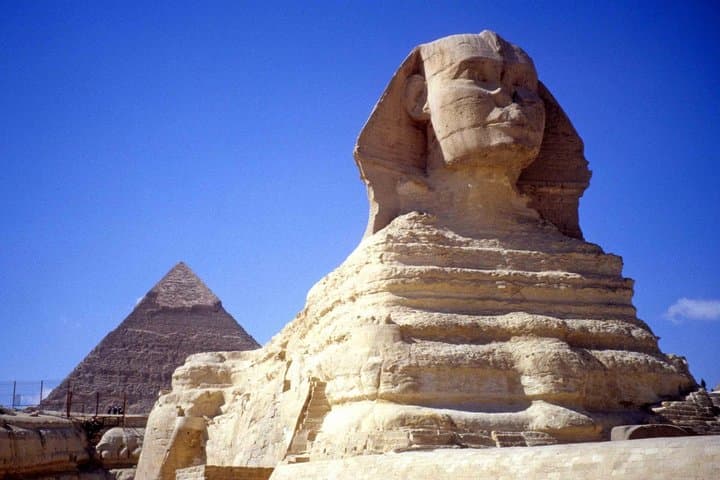
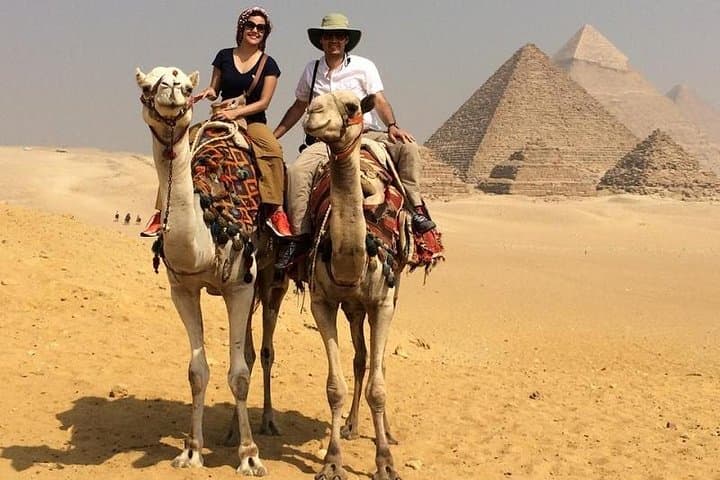
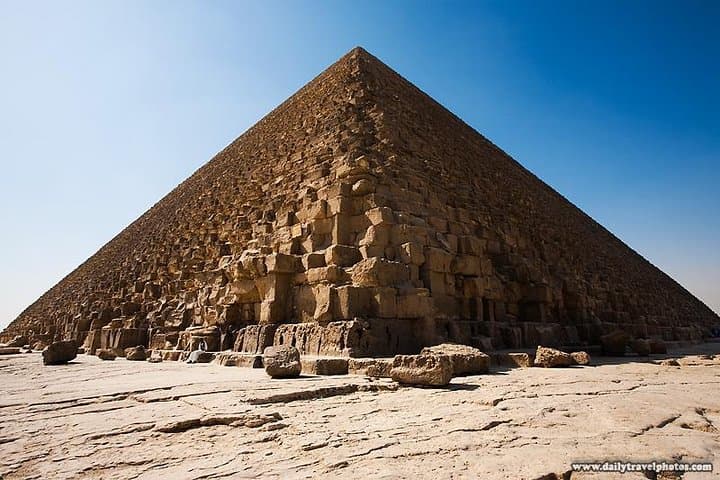
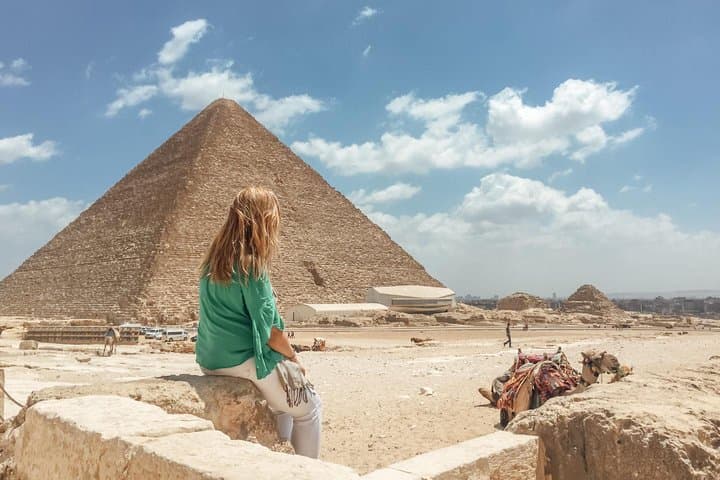
Morning light lays a hard edge across the Giza Plateau as you step from an air‑conditioned vehicle onto packed limestone and wind-blown sand. The Great Pyramid rises ahead — a geometric force that resists scale — while smaller companion pyramids punctuate the horizon and the Sphinx watches with a carved, human face and a lion’s body. A 30‑minute camel ride circles the foot of these monuments, the animals steady and sure on uneven ground.
Morning light lays a hard edge across the Giza Plateau as you step from an air‑conditioned vehicle onto packed limestone and wind-blown sand. The Great Pyramid rises ahead — a geometric force that resists scale — while smaller companion pyramids punctuate the horizon and the Sphinx watches with a carved, human face and a lion’s body. A 30‑minute camel ride circles the foot of these monuments, the animals steady and sure on uneven ground.
These monuments date to Egypt’s 4th Dynasty (around 2600–2500 BCE): Khufu (Cheops), Khafre (Chephren) and Menkaure (Mykerinus) built tombs intended to last an eternity. The Egyptian Museum in central Cairo holds material culture spanning millennia, including the Tutankhamun collection and hundreds of thousands of artifacts that trace funerary craft and royal ritual.
Expect short walks across the plateau — usually under 2 km between viewpoints — with loose sand and sun‑bleached flagstones underfoot. The tour typically includes private transfers, a licensed Egyptologist guide, bottled water, and an optional lunch at a local restaurant. Practicalities matter: start early to avoid mid‑day heat, carry sun protection and comfortable footwear, and set aside cash for tips and optional extras like the camel ride.
The experience balances slow, contemplative viewing with bursts of photo stops and local negotiation. Respect signage and barriers: much of the site is fragile, and authorities regulate access. With basic preparation this day trip delivers a concentrated, informative encounter with one of the world’s oldest and most powerful cultural landscapes.